
Before your first Masai Mara safari, plan at least three nights, pack for sun, dust and big temperature swings, carry your own toiletries, charge every device, bring extra cash and get ready to switch off. Then expect to say “just one more drive” more often than you think.
We tell every guest this before they arrive. Our camp sits at the foothills of Oldonyo Loip Hill, 10 minutes from Mpuaai Gate and 15 minutes from Talek Gate, and our guides are Masai who grew up on these plains. So this guide comes from people who live here, not from a brochure.
The 10 things at a glance
- Pick your season before you pick your dates.
- Give yourself at least three nights.
- Pack for sun and dust.
- Carry your own toiletries.
- Charge everything.
- Bring more cash.
- Layer up.
- Let the nights be magical.
- Embrace the disconnect.
- Expect game drives to be addictive.
Whether you are still comparing Masai Mara tour packages or you have already booked, we’ll walk you through what to expect from the moment you land to your last sunset. Each section below answers one question first-time travellers ask us.
Table of Contents:
- What Should You Expect on Your First Masai Mara Safari?
- What Should You Pack for a Masai Mara Safari?
- How Should You Prepare for Early Morning Game Drives?
- What Is a Typical Day Like on a Masai Mara Safari?
- What Should First-Time Safari Travellers Know About Wildlife Viewing?
- Planning Your First Masai Mara Safari With Mara Siligi Camp
What Should You Expect on Your First Masai Mara Safari?
You should expect open-roof 4×4 game drives, meals at camp, plenty of time outdoors and a small, personal camp rather than a big resort. If you are wondering what to expect on a safari trip like ours, picture waking up in a tent, heading out with a Masai guide, and coming back to a hot shower and a hot meal.
Each Masai Mara safari package we run is built around one base: our camp and its 10 eco tents. You unpack once, and the gates are minutes away. Here is what that looks like for you:
- Your tent: Cozy beds, an ensuite bathroom and a private deck where you can sip your morning tea while zebras graze in the distance.
- Your comforts: Hot showers, flush toilets, solar-powered electricity and charging points for your camera gear.
- Your drives: 4×4 vehicles with open roofs. We keep groups small, we do not run overcrowded drives, and private vehicles are available on every package.
- Your meals: Breakfast, lunch and dinner. Vegetarian, vegan, gluten-free and allergy-specific meals are available when you tell us in advance.
- Your guide: A local Masai guide who knows these plains far better than any app or guidebook.
1. Pick Your Season Before You Pick Your Dates
The Mara rewards a visit in every season, but each one gives you something different. Choose the window that matches what you most want to see.
Months | What you can expect | Best for |
April – June | Lush green landscapes, fewer crowds, excellent predator sightings and great value pricing | First-timers and budget-conscious travellers |
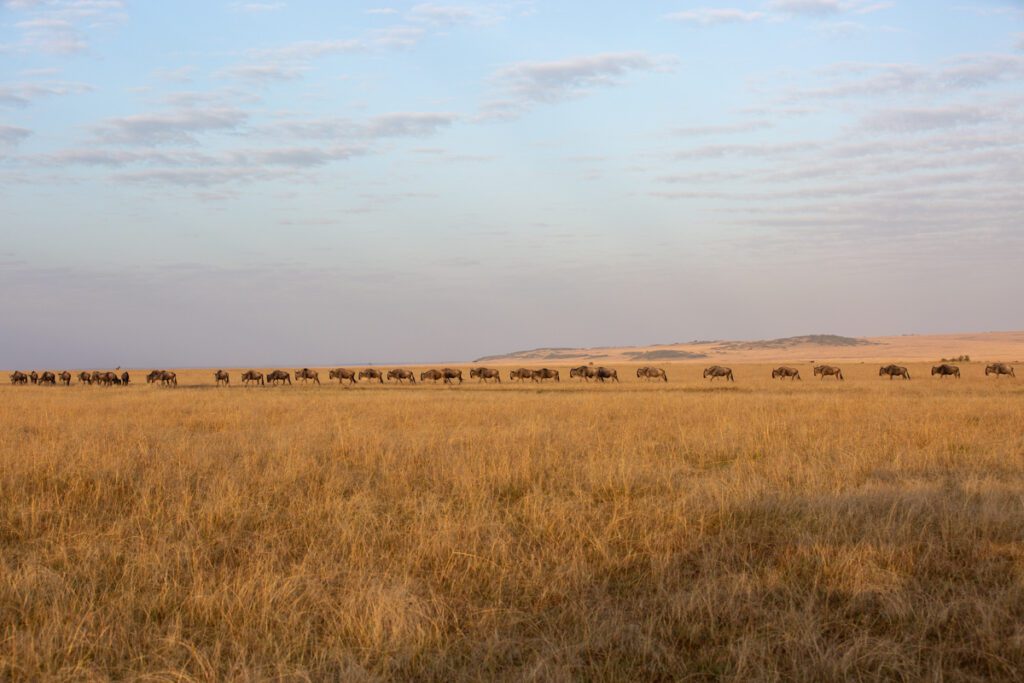
July – October | The Great Wildebeest Migration. Over 1.5 million wildebeest and zebras arrive from mid-July, and Mara River crossings peak between early August and mid-September | Anyone chasing river crossings (book early) |
November – March | Calving season from January to March, dramatic predator activity, newborn wildlife, clear skies and fewer vehicles | Photographers, families and honeymooners |
Two things matter here. First, July to October is our busiest season, and riverfront-adjacent camps like ours book out 6 to 12 months ahead. Second, crossings depend on the herd and the rain, not the calendar. If you’re eyeing the tail end of the season, read our guide to late October and the last of the migration.
2. Give Yourself at Least Three Nights
We recommend a minimum of three nights. Four or five nights gives you a fuller safari, with more flexibility on drive timing and time to slow down between drives.
- Short on time? A 2 to 3 day trip still works. It’s an ideal way to taste the Mara.
- Want the full experience? Add a night or two so you aren’t rushing from one sighting to the next.
- Still deciding? Our blog explains how many days in the Masai Mara are enough.
Flying in from India or elsewhere? We can arrange your transfers from Nairobi:
- By air: Daily flights from Wilson Airport, Nairobi, to Ol Kiombo or Keekorok airstrips take about 1 hour.
- By road: The drive takes 5 to 6 hours from Nairobi via Narok, through the Rift Valley.
What Should You Pack for a Masai Mara Safari?
Pack a hat, sunglasses, sunscreen and a bandana for sun and dust. Add layers for changing temperatures, your own toiletries, chargers with a power bank and spare memory cards, and extra cash for tips, souvenirs and drinks.
Use this quick checklist:
Pack this | Why you need it |
Bandana, hat, sunglasses, sunscreen | Sun and dust follow you on every drive |
Warm layer plus lighter layers | Cool mornings, hot afternoons, cool evenings |
Wet wipes, hand sanitizer, toilet paper | Safari essentials for the long hours out on the plains |
Extra memory cards, power bank, chargers | Dead batteries mean missed magic |
Extra cash | Tips, souvenirs and that “one more drink” by the fire |
3. Pack for Sun and Dust
A bandana, a hat, sunglasses and sunscreen will be your best friends. You’ll spend long stretches in an open-roof vehicle, so the sun reaches you and the dust does too.
- Bandana: Keeps dust off your face and neck.
- Hat: Choose one with a brim or a chin strap so it stays on when the vehicle moves.
- Sunglasses: Bring a spare pair if you can.
- Sunscreen: Apply it before you leave your tent, not after the first hour.
4. Carry Your Own Toiletries
Wet wipes, hand sanitizer and toilet paper are safari essentials. At camp, your tent has an ensuite bathroom, hot showers and flush toilets. Out on a game drive, your day bag needs to carry what you’ll want.
Keep a small pouch with these items in your day bag so you’re never searching for them.
5. Charge Everything
Dead batteries mean missed magic. Your camera, phone and power bank should all be full before every drive.
- At camp: Our camp runs on solar power and has charging points for your camera gear.
- On drives: Carry extra memory cards and a power bank so a full battery or card never ends a great sighting.
- Serious about photography? Read our guide to the photography equipment you need for a Masai Mara photo tour.
6. Bring More Cash
Bring more cash than you think you need. It covers tips, souvenirs and that “one more drink” by the fire. It adds up, and it’s so worth it.
Our Masai Mara travel packages itemise park fees, meals and game drives upfront. That means your cash goes to extras, not surprises. The Masai cultural village visit on our family package, for example, is listed at USD 30 per adult.
How Should You Prepare for Early Morning Game Drives?
Dress in layers you can peel off, charge your camera the night before and keep your sun gear in your day bag. Early mornings in the Mara are chilly, and you’ll want to be warm and ready when the vehicle rolls out.
Our itineraries often include a sunrise drive, and our photography guests get drives timed around golden light and wildlife activity. Being ready the night before makes it easy.
7. Layer Up
Early mornings are chilly, afternoons are hot and evenings can get cool around the campfire. In an open-roof vehicle, you feel every change.
Build your outfit like this:
- Base layer: A light, breathable top you’re happy to wear all day.
- Warm layer: A fleece or jacket for the first drive of the day.
- Sun layer: Your hat and bandana, ready when the sun climbs.
- Evening layer: Keep something warm for the campfire.
Your night-before checklist:
- Lay out your layers, hat, bandana and sunglasses.
- Charge your camera, phone and power bank.
- Put spare memory cards in your day bag.
- Pack wet wipes, sanitizer and toilet paper.
- Fill your bottle and keep sunscreen where you can grab it.
If you would like a drive built around your own pace, tell us. Every one of our packages is adjustable.
What Is a Typical Day Like on a Masai Mara Safari?
A typical day includes a morning game drive, breakfast, an afternoon drive, dinner at camp and a slow evening under the stars. You spend most of your day in the wild, and you finish it by the fire.
Here is a sample from our mid-range 2 to 3 day trip:
Day | What happens |
Day 1 | Arrive, go on an afternoon game drive and enjoy a campfire dinner |
Day 2 | Full day with a morning drive and an afternoon drive |
Day 3 (optional) | Sunrise drive, then depart after breakfast |
Longer stays follow the same rhythm with more room to breathe. Our photography, family and honeymoon trips add extra sessions around it.
8. Let the Nights Be Magical
You will need a warm layer for stargazing and campfire evenings under the vast Mara sky. The nights are worth staying up for.
- Stargazing: There is zero light pollution here. On any clear evening, our guides bring the night sky to life with constellations and stories, under a full Milky Way.
- Private bush dinner: We set up a lantern-lit dinner just outside camp, perfect for honeymoons and anniversaries.
- Sundowners: Enjoy a drink on the outdoor deck as the light fades over the savanna.
Want to start your day with a view? A hot air balloon safari and bush breakfast is a highlight of luxury Masai Mara holiday packages, and you can add it to any stay with us.
9. Embrace the Disconnect
WiFi is limited, and that’s a good thing. Be present, switch off and soak it all in.
We have WiFi in the lounge for the moments you need it, and you can completely unplug the rest of the time. Our lounge and workspace is also handy if you are a writer, photographer or digital nomad who wants to stay in touch without giving up the view.
A simple tip: tell your family and your office when you’ll be offline before you leave home.
What Should First-Time Safari Travellers Know About Wildlife Viewing?
You should know that every game drive is different and that longer stays give you better odds. Wildlife doesn’t follow a schedule, so you’ll see more if you stay flexible, trust your guide and keep your camera ready.
10. Expect Game Drives to Be Addictive
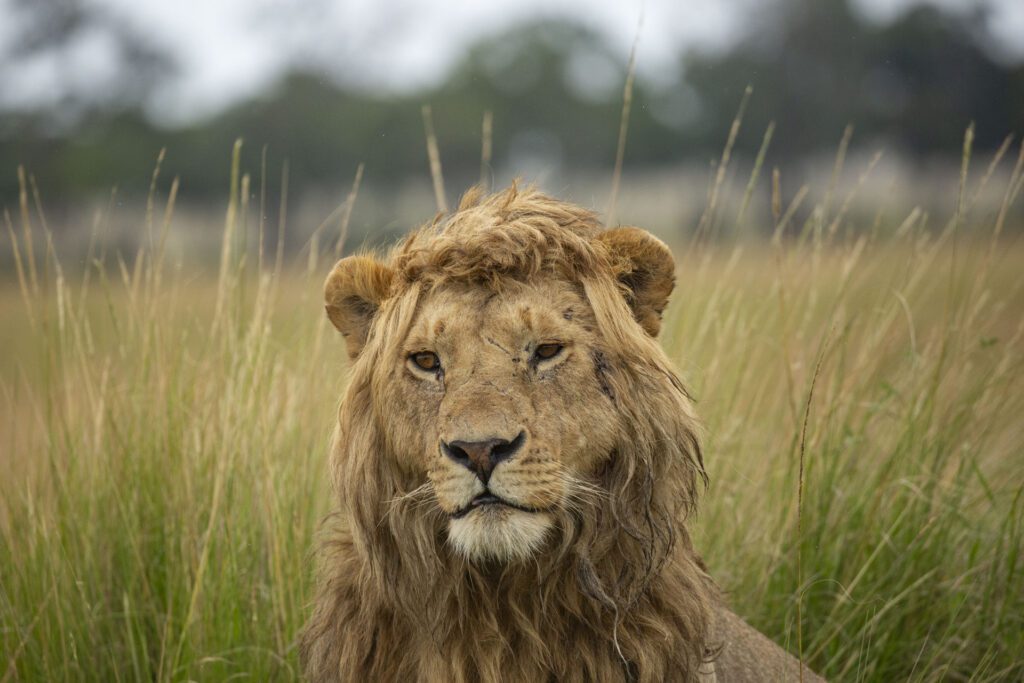
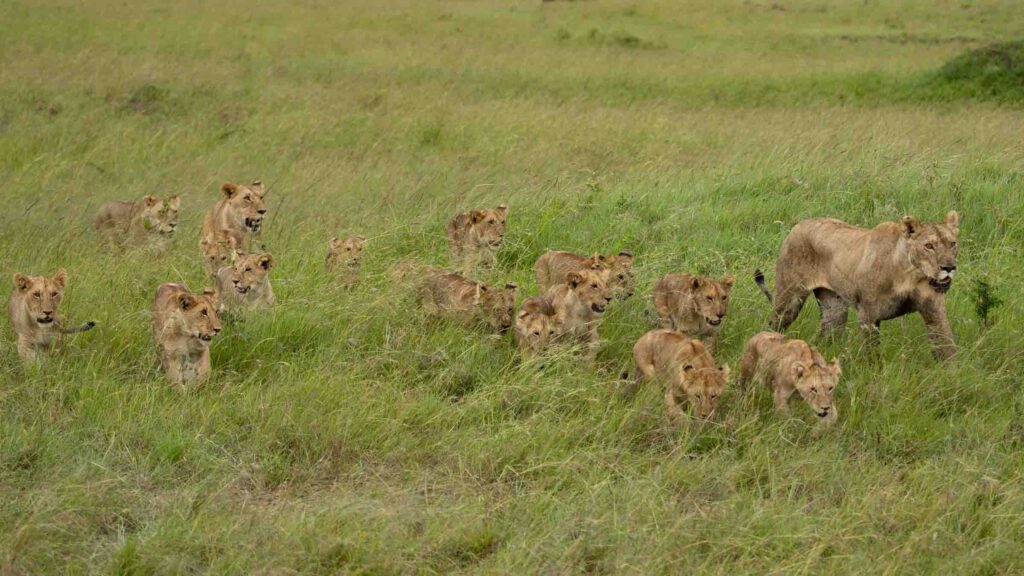
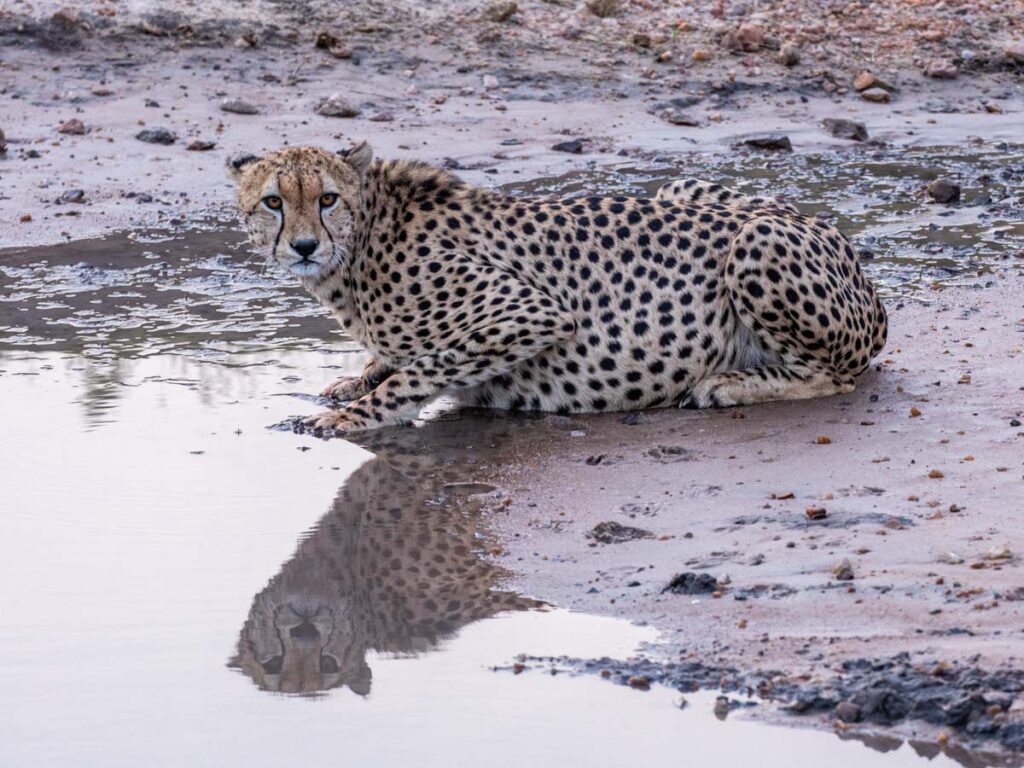
You’ll want to say “just one more,” and trust us, every drive is different. Guests tell us about lions, cheetahs and elephants, and everyone leaves wanting another drive.
Why do local guides make such a difference?
- They grew up here. Our guides are Masai who learned to read these plains as children.
- They share information. They talk daily with other guides and camps to track herd movement.
- They get you there early. When a crossing is building, you are already on your way, not stuck at the wrong bend of the river.
Because crossings depend on the herd, we tell migration-season guests to book a minimum 4-night stay with any of our Masai Mara travel packages. A longer window means more crossing opportunities. Wildebeest herds start to arrive from mid-July, crossings usually continue into early October, and the peak is between early August and mid-September.
Simple habits for better sightings:
- Listen to your guide. They will read the land before you do.
- Keep your camera ready, with a spare battery and memory card.
- Stay flexible. A sighting you didn’t plan can become your favourite.
- Ask for a private vehicle if you want full control of your pace.
Planning Your First Masai Mara Safari With Mara Siligi Camp
Tell us your dates, how many of you are travelling and which experiences matter most. We’ll send you a personalised package with pricing and availability within 24 hours.
At Mara Siligi, we’re not a booking platform or a third-party agent. We are the camp, so you talk directly to the people who will host you and guide you. Every Masai Mara safari package we offer is a starting point, not a fixed product, and we adjust it around you.
Which Package Fits You?
Package | Length | Best for | What you get |
2 to 3 days | First-timers with limited time | Standard or family tent, all meals, daily game drives, park fees and a local Masai guide | |
6 days | Wildlife photographers | Photography lounge access, bush picnic lunches, custom-timed drives and photo review sessions | |
5+ days | Families with children | Ensuite family tents, children’s menu options, family-paced drives and child-safe nature walks | |
4 days | Couples | Private tent with a romantic setup, complimentary bush dinner, private drives and a stargazing session |
If you’re searching for Masai Mara all inclusive packages, ours cover accommodation, all meals, daily guided game drives, park entry fees and a local Masai guide. Our couples and family trips are designed around your pace, and solo travellers are welcome too. There is no minimum age on our family trips.
Why Book Directly With Us?
When you compare Masai Mara tour packages, ask who actually runs the camp. Here is what you get when you book with us:
- Locally owned and operated: This is our home, and we care about it deeply.
- Expert Masai guides: They grew up on this land.
- Flexible itineraries: No two groups are the same, so we build around you.
- Fair pricing: What you see in your quote is what you pay.
- Community support: Our guides come from Masai families in the area, so your booking keeps income in the community.
Guests rate us 5.0 out of 5 from 450 reviews on Google and TripAdvisor.
Frequently Asked Questions
Cost depends on package length, tent type and travel dates. Peak migration months, August and September, carry higher park fees than the rest of the year. Send us your dates and group size, and we’ll reply within 24 hours with a personalised quote that itemises everything, with no hidden costs.
Yes. Our family packages have no minimum age. They include family tents, flexible drive timing, children’s meals, child-safe nature walks and an electric-fenced camp. Our guides are experienced with younger guests and adjust the pace of each day.
You have a strong chance. The Masai Mara has one of the highest Big Five densities of any reserve in Africa, and lion, leopard, elephant, buffalo and rhino sightings are common. Our location near Mpuaai Gate puts you close to the corridors where these animals are most active.