Every Masai Mara safari tour feels a little different because five things keep changing: the wildlife, the timing of your game drive, the season and weather, the sightings themselves and the way you choose to travel. The Mara never repeats itself, and neither will your trip.
We see this every day. Our camp sits at the foothills of Oldonyo Loip Hill, 10 minutes from Mpuaai Gate and 15 minutes from Talek Gate. Two vehicles can leave camp at the same time and come back with completely different stories. We tell every guest the same thing: every drive is different.
The five reasons at a glance
- Wildlife moves on its own rhythm, not yours.
- Drive timing changes the light, the temperature and the mood.
- Seasons change the landscape and the headline event.
- Sightings never repeat, even in the same spot.
- Your safari style changes your pace, your vehicle and your extras.
If you are comparing Masai Mara safari tours, this guide shows you what changes from trip to trip, so you can choose the version that fits you. Each section answers one question our guests ask us before they arrive.
Table of Contents:
- How Wildlife Shapes Each Masai Mara Safari
- Why Game Drive Timing Can Change the Experience
- How Weather and Seasonal Changes Affect the Mara
- Why No Two Wildlife Sightings Are Ever Quite the Same
- How Your Safari Style Influences What You Experience
- Making the Most of Your Masai Mara Safari Tour With Mara Siligi Camp
How Wildlife Shapes Each Masai Mara Safari
Wildlife shapes your safari because the animals write the script. You choose your dates, but the herds, the predators and the newborns decide what unfolds in front of your vehicle.
Here is how the main characters change your days:
Wildlife | What you can expect | How it shapes your safari |
Migration herds | Over 1.5 million wildebeest and zebras arrive in the Mara | Your days revolve around where the herds gather and where a crossing might build |
Predators | Excellent predator sightings in some months, dramatic activity in others | Your guide follows the action rather than a fixed route |
Newborn wildlife | Calving season brings young animals onto the plains | Your sightings feel more tender, and more tense |
Resident big game | Lion, leopard, elephant, buffalo and rhino sightings are common | You always have something extraordinary to look for |
The Migration Sets the Biggest Stage
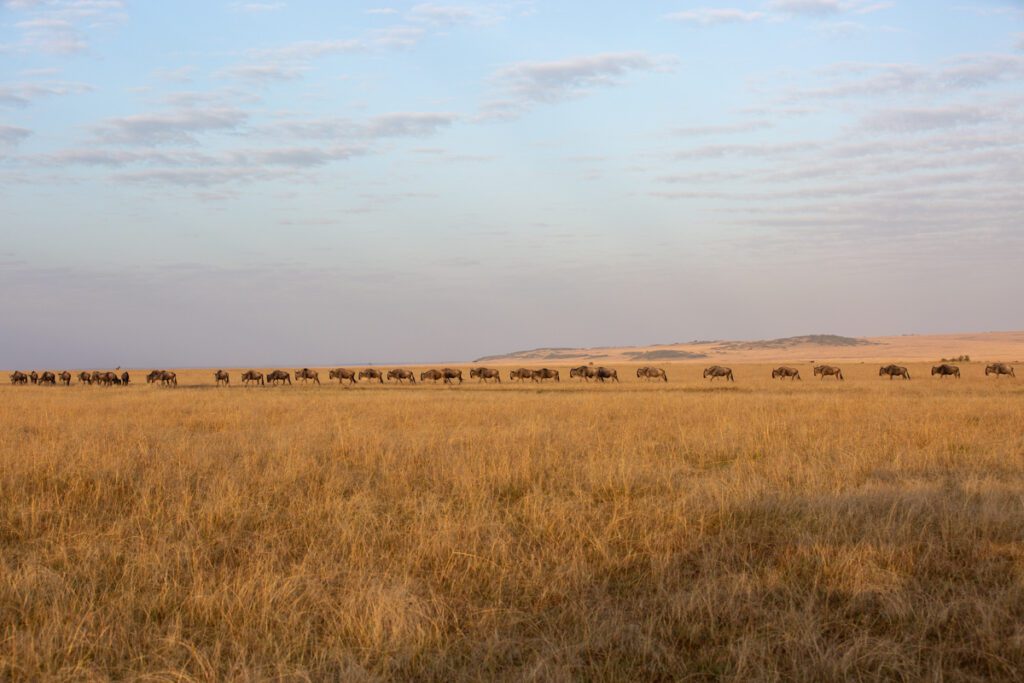
The Great Wildebeest Migration is the most dramatic wildlife event on Earth, and it is our specialty. Herds start crossing into the Masai Mara from mid-July, and the Mara River crossings you’ve seen in documentaries come later.
Crossings depend on the herd, not the calendar. That is why two guests standing at the same river on different days can have very different mornings.
Predators and Newborns Bring the Drama
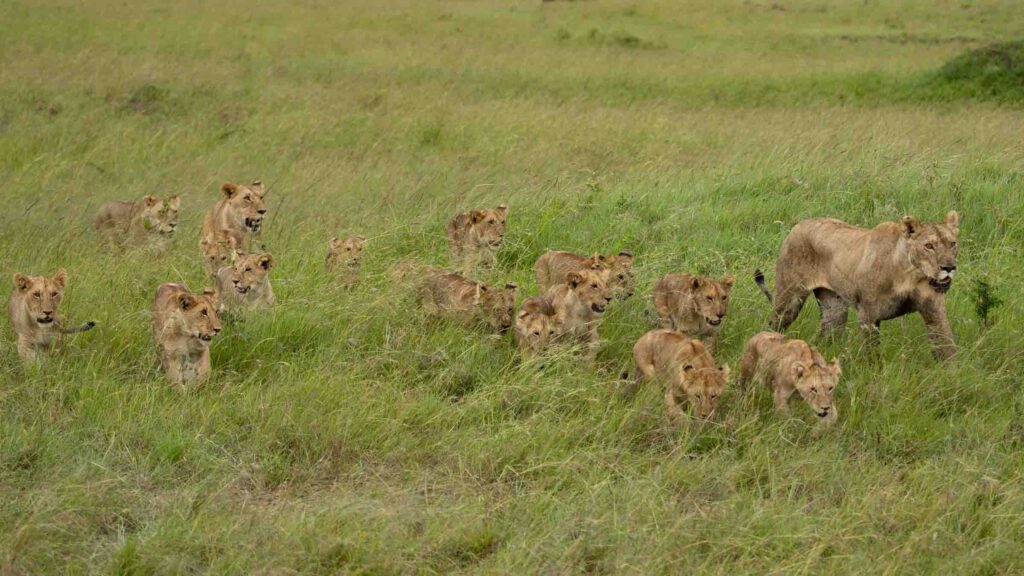
Some months bring excellent predator sightings. Calving season brings dramatic predator activity alongside newborn wildlife. You may watch a quiet plains scene one afternoon and a tense chase the next.
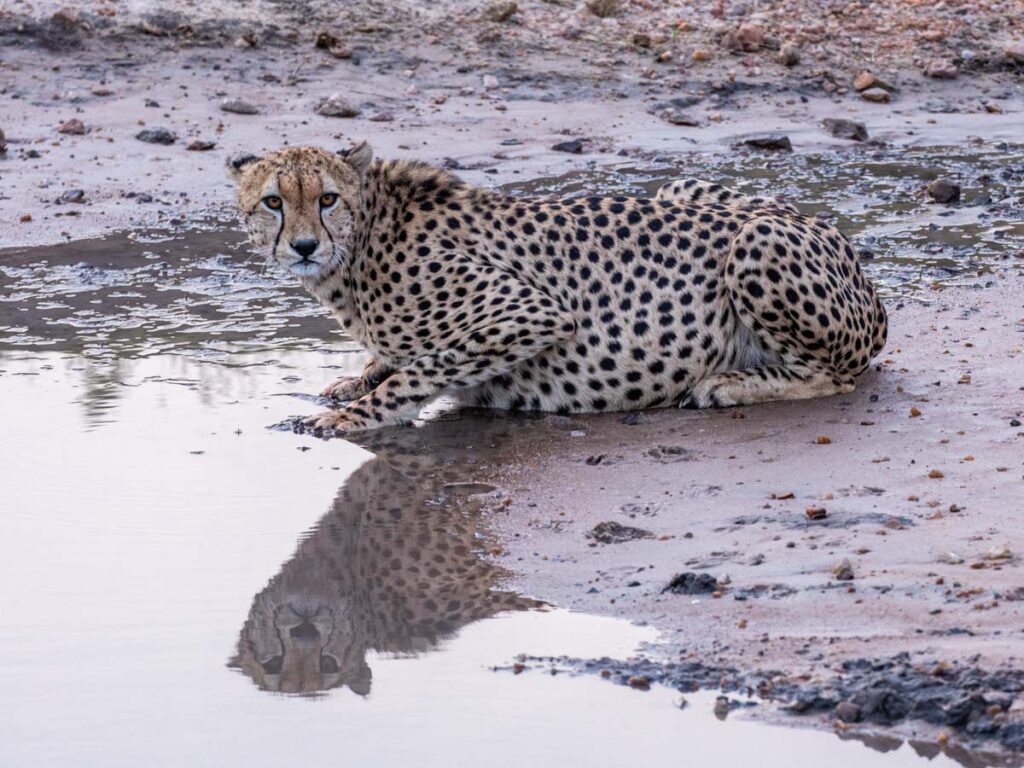
Our guests tell us about lions, cheetahs and elephants, and they rarely list the same animals in the same order. That variety is the point.
Your Guide Reads the Land
Our guides are Masai who grew up reading these plains. They talk daily with other guides and camps to track herd movement. When a crossing is building, you are already on your way, not stuck at the wrong bend of the river.
Our location near Mpuaai Gate also puts you close to corridors where big game is most active. The Masai Mara has one of the highest Big Five densities of any reserve in Africa, so you have plenty to look for.
Why Game Drive Timing Can Change the Experience
Game drive timing changes your experience because it changes the light, the temperature and the mood of the plains. A sunrise drive and an afternoon drive can feel like two different safaris in the same place.
Here is how different drive windows compare:
Drive window | What you’ll notice | Who loves it |
Sunrise drive | Chilly air and soft golden light | Photographers, early risers, honeymooners |
Morning drive | Cool start that warms up as you go | First-timers who want a full day of viewing |
Afternoon drive | Hot afternoons that cool towards evening | Guests arriving on Day 1 and families |
Full day (morning + afternoon) | The most variety in one day | Anyone with limited nights who wants maximum time out |
Time of Day Changes Your Comfort
Early mornings are chilly, afternoons are hot and evenings can get cool around the campfire. You ride in a 4×4 with an open roof, so you feel each change.
Layers make a big difference. Bring a warm layer for the first drive, then a hat, bandana, sunglasses and sunscreen for the sun and dust later.
Your Drive Schedule Can Be Adjusted
We don’t run one fixed timetable for everyone. Here is how timing flexes across our trips:
- Photography guests: Drives are custom-timed around golden light and wildlife activity.
- Families: Drive timing is flexible and paced for younger guests.
- Couples: Private guided drives follow your pace and your schedule.
- Mid-range guests: Your itinerary gives you an afternoon drive on arrival, a full day with two drives, and an optional sunrise drive before you leave.
Timing Isn’t Only About Drives
Some of the best timing moments happen away from the vehicle:
- Sunrise balloon flight: Soar over the Mara River and the plains, then enjoy a bush breakfast.
- Sundowners: Enjoy a drink in the bush or on our outdoor decks as the day winds down.
- Stargazing: There is zero light pollution, so you see the full Milky Way on any clear evening.
More time gives you more timing choices. We recommend a minimum of three nights, and four or five nights make room for more drive combinations. Our guide on how many days in the Masai Mara are enough can help you decide.
How Weather and Seasonal Changes Affect the Mara
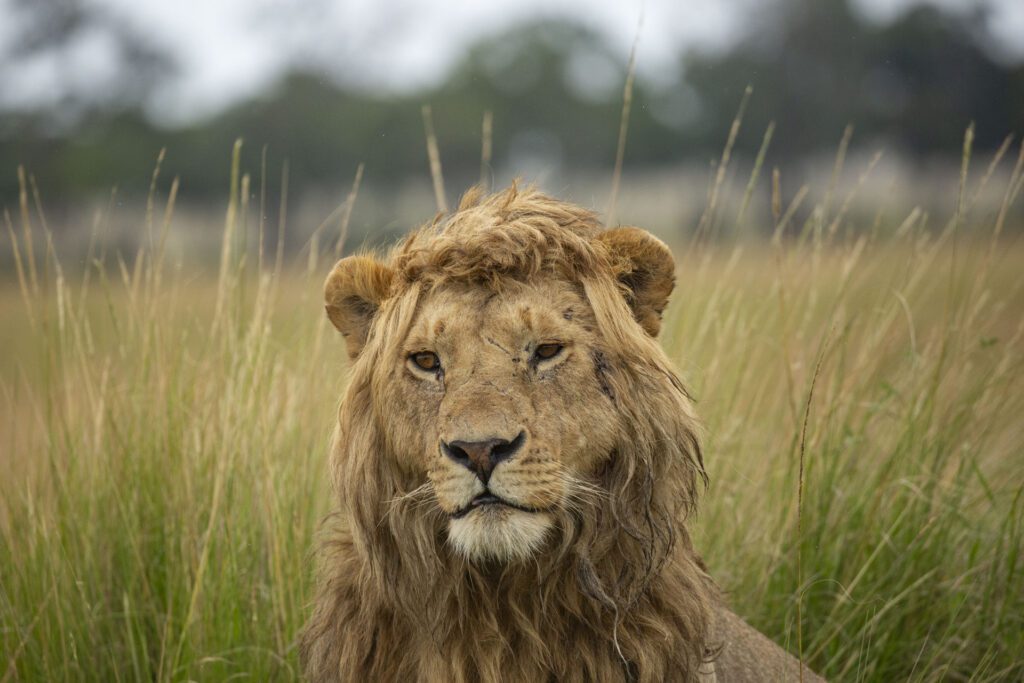
Seasons decide what the Mara looks like and which wildlife moment leads the show. Expect green landscapes and fewer crowds from April to June, the Great Migration from July to October, and calving and clear skies from November to March.
Months | Look and feel | Wildlife highlight | Best for |
April – June | Lush green landscapes, fewer crowds, great value pricing | Excellent predator sightings | First-timers and budget-conscious travellers |
July – October | Our busiest and most in-demand season | Over 1.5 million wildebeest and zebras arrive from mid-July, with crossings peaking between early August and mid-September | Anyone chasing river crossings |
November – March | Clear skies, fewer vehicles, excellent photography light | Calving season from January to March, with dramatic predator activity and newborn wildlife | Photography, family and honeymoon trips |
December and January are ideal for families. If you’re searching for the best time for a photography safari, November to March gives you clear skies and beautiful light.
Weather From Sunrise to Sunset
You’ll feel the weather more than you’ll read about it. A chilly sunrise, a hot afternoon and a cool campfire evening can all happen in one day. So dress in layers, and keep sun protection within reach.
Rain and River Crossings
Exact crossing timing depends on rainfall. Herds start arriving from mid-July, and the main Mara River crossings peak between early August and mid-September. Some crossings continue into early October.
If you’re curious about the tail end, we’ve written about late October and the last of the migration.
Plan Around the Busy Season
July to October is the season everyone wants. Riverfront-adjacent camps like ours routinely sell out 6 to 12 months in advance. So if the migration is your priority, start your Masai Mara safari booking early, and plan a stay of at least four nights to give crossings a fair chance.
Why No Two Wildlife Sightings Are Ever Quite the Same
No two sightings are the same because animals don’t follow a schedule, and everything around them keeps changing. Behaviour, light, weather and your position in the landscape can all shift within minutes.
Here is what changes between one sighting and the next:
What changes | Why it matters | What you can do |
Animal behaviour | The same herd can be calm, restless or on the move | Stay patient and follow your guide’s read of the scene |
Light | Golden light can transform the same scene | Ask us about drive timing that suits your camera |
Temperature | Cool mornings and hot afternoons change how animals and people feel | Layer up and keep water and sun gear close |
Where you are | A different bend of the river or a different plain changes your view | Trust a guide who talks daily with other guides |
Who’s around | Fewer vehicles mean a calmer, closer experience | Choose small groups or a private vehicle |
Small Groups Change What You See
We keep our game drive groups small, and we do not run overcrowded drives. Private vehicle options are available on all our packages. When fewer vehicles share a sighting, you get room to watch, to breathe and to take your time.
Patience Pays Off
A crossing can build slowly. Sometimes nothing happens for a while, and then everything happens at once. That’s why we suggest a longer stay if you’re chasing the migration. More time on the plains gives you more chances.
Photographers See It Differently
If you love photography, our guides position you for the shot, and our photography tour days build in drives for predator tracking, migration routes, birds and the night sky. We also hold dedicated photo review sessions at camp. If you’re planning a wildlife photo trip, take a look at our photography safari page.
A quick guide to getting more from each sighting:
- Listen to your guide before you raise your camera.
- Keep your battery charged and your memory cards spare.
- Stay flexible when plans change.
- Look wide first, then zoom in.
- Save one drive to simply watch, without a camera.
You’ll want to say “just one more” at the end of a drive. Trust us, it’s a very common feeling.
How Your Safari Style Influences What You Experience
Your safari style shapes your pace, your vehicle, your meals and the extra moments you’ll remember. A family, a couple, a photographer and a solo traveller can visit the same Mara and take home very different stories.
Safari style | Typical length | What shapes your experience |
Mid-range | 2 to 3 days | Afternoon and full-day drives, campfire dinner and a quick, focused taste of the Mara |
Photography | 6 days | Custom-timed drives, bush picnic lunches, photography lounge access and review sessions |
Family | 5+ days | Family-paced drives, ensuite family tents, child-safe nature walks and a cultural village visit |
Honeymoon or couples | 4 days | Private tent, private drives, sundowner drinks, a bush dinner and stargazing |
Solo | On request | Standard tent, a small camp and a private drive if you prefer |
For Photographers
Your day is built around light. You get access to our photography lounge, guided wildlife photography sessions and drives timed for golden light. Days can focus on landscapes, predators, migration routes, birds, culture and the night sky.
For Families
Family trips move at a child-friendly pace. Our guides adjust the day for younger guests, and our camp is electric-fenced. Children’s menu options are available, and there is no minimum age. For more tips, read our guide to family trips with young kids.
For Couples
Your trip is private and personal. Expect a romantic setup on arrival, complimentary bush dinner and private guided drives at your pace. You can add a hot air balloon flight with a champagne breakfast if you’d like a special moment.
For Solo Travellers
Our standard tents suit solo travellers, and our small camp means you’re never lost in a crowd. Solo trips are available on request, and we’ll match you with a private drive depending on your preference.
Add Extras to Make It Yours
Every one of our Masai Mara safari tours can be extended with experiences that connect you with the land and its people:
- Nature walk and tree planting: Meet our in-house naturalist and plant a sapling at our tree nursery.
- Masai cultural village visit: Learn about traditions, dances and daily life.
- Private bush dinner: Enjoy a lantern-lit dinner just outside camp.
- Kenya extensions: Combine your stay with Amboseli, Lake Nakuru or Diani Beach.
Making the Most of Your Masai Mara Safari Tour With Mara Siligi Camp
The best way to make the most of your safari is to tell us your dates, your group size and the experiences that matter most. We’ll send you a personalised package with pricing and availability within 24 hours.
We’re not a booking platform or a third-party agent. At Mara Siligi, we are the camp, so you speak directly with the people who will host you and guide you.
Five Steps to Your Trip
- Share your dates: Tell us when you’d like to travel and how many people are coming.
- Tell us your style: Photography, family, honeymoon, solo or a focused mid-range trip.
- Pick your extras: Balloon flights, bush dinners, stargazing, nature walks or cultural visits.
- Choose your transfer: We can arrange it from Nairobi.
- Receive your quote: Every cost is itemised upfront, so there are no hidden surprises.
Getting Here
Route | Journey time |
By air | Daily flights from Wilson Airport, Nairobi, to Ol Kiombo or Keekorok airstrips take about 1 hour |
By road | The drive takes 5 to 6 hours from Nairobi via Narok, through the Rift Valley |
What Makes Our Camp Different
- Locally owned and operated: This is our home, and we care about it deeply.
- 10 eco tents: Each has ensuite bathrooms, private decks and hot showers.
- Solar-powered comfort: Charging points keep your camera gear ready.
- Expert Masai guides: They know this land better than any app or article.
- Community support: Our guides come from Masai families in the area, so your stay keeps income in the community.
Guests rate us 5.0 out of 5 from 450 reviews on Google and TripAdvisor.
Frequently Asked Questions
Yes. Our stays include accommodation, all meals, daily guided game drives, park entry fees and a local Masai guide. You can add extras such as a hot air balloon flight, cultural village visit or photography session.
Yes. The Mara rewards visits at every time of year. From April to June you can enjoy excellent predator sightings, and from November to March you can see calving season and newborn wildlife. Lion, leopard, elephant, buffalo and rhino sightings are common throughout.
Yes. Our standard tents suit solo travellers, and our small camp means you’re never lost in a crowd. Solo trips are available on request, and we’ll match you with a private drive if you prefer.