
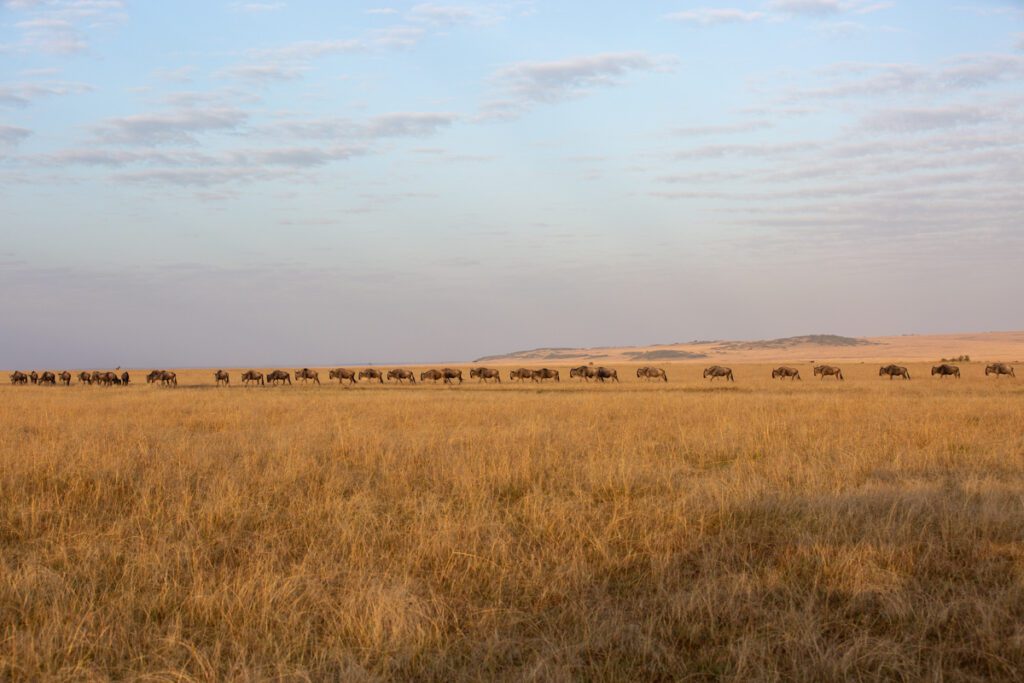
Here’s the direct answer: yes, late October can still put you in the Masai Mara while migration activity is winding down, but you’re catching the tail end, not the peak. The Great Migration season runs from July through October, with the Mara River crossings peaking between early August and mid-September, and activity continuing into early October. By late in the month, you’re in the transition window, herds thinning out, crowds easing off, and the reserve settling toward its quieter November season.
Below, we walk through exactly what that means for your trip, which Masai Mara Travel Packages fit a late-October window, and why timing your booking right still matters even outside peak weeks. Everything here comes straight from how we run things at camp, no invented numbers, no generic filler.
Table of Contents:
- Can You Still See the Great Migration in Late October?
- What Makes Late October a Smart Time to Book?
- Which Package Fits a Late October Trip?
- How Does Late October Compare to Peak Migration Months?
- Why Base Your Late October Safari at Mara Siligi Camp?
- How Many Days Should You Book for a Late October Safari?
Can You Still See the Great Migration in Late October?
You can still see wildlife activity from the migration season, but the dramatic river crossings themselves are less reliable by late October.
The main crossing window at the Mara River peaks between early August and mid-September, with activity continuing into early October. By late October, you’re past that peak, and the herds that spent the season in the Mara are beginning to drift back south toward the Serengeti. That doesn’t mean an empty reserve, the Masai Mara carries one of the highest Big Five densities of any reserve in Africa year-round, so lion, leopard, elephant, buffalo, and rhino sightings remain common regardless of the month.
If a river crossing is the single thing you’re chasing, we’ll always be honest with you: early-to-mid October gives you better odds than late October. But if you want strong general game viewing with a real chance of catching lingering migration activity, a late-October Masai Mara safari package still delivers.
Our guides are Masai who grew up reading these plains, and they stay in daily contact with other guides and camps across the reserve to track herd movement. That local network doesn’t guarantee a crossing this late in the season, but it does mean that if there’s still activity worth chasing, you’ll hear about it early and be moving toward it rather than guessing from camp.
What the Short Rains Actually Mean for Wildlife and Game Drives
November brings Kenya’s shorter of its two rainy seasons, and it’s nothing like the downpours people imagine. Most days bring a burst of rain for an hour or two, usually in the afternoon, with clear skies before and after. Your game drives are rarely cancelled; they’re just timed a little differently.
What wildlife looks like in November:
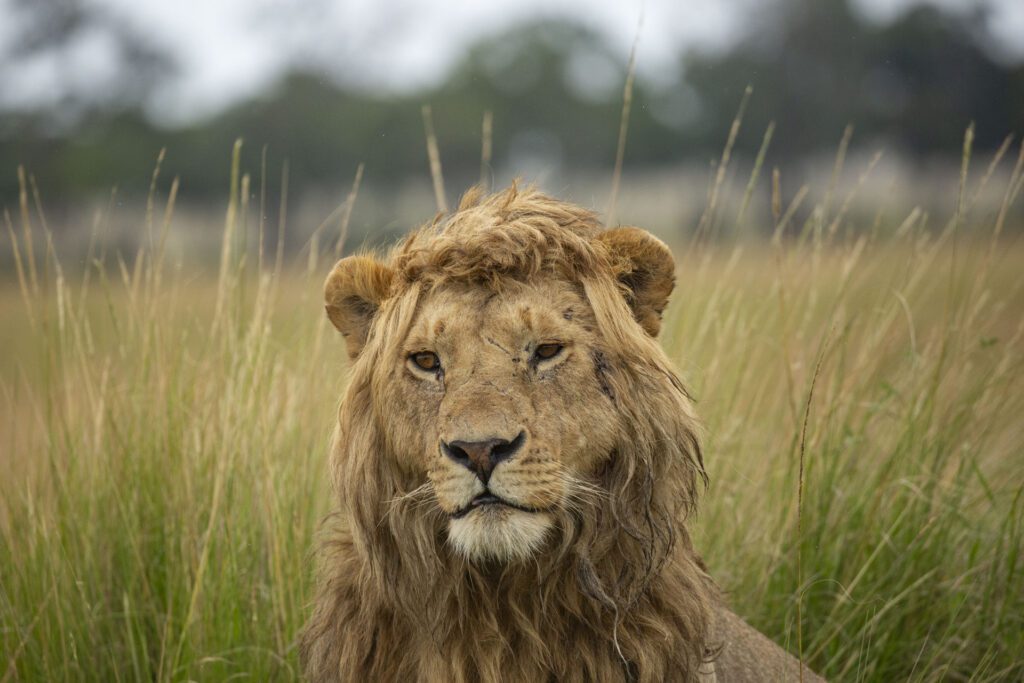
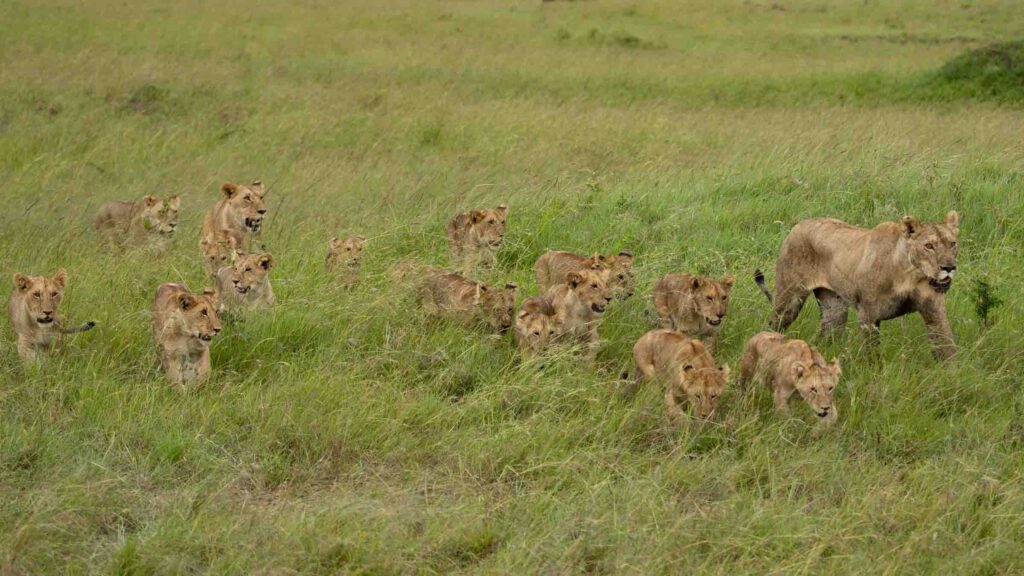
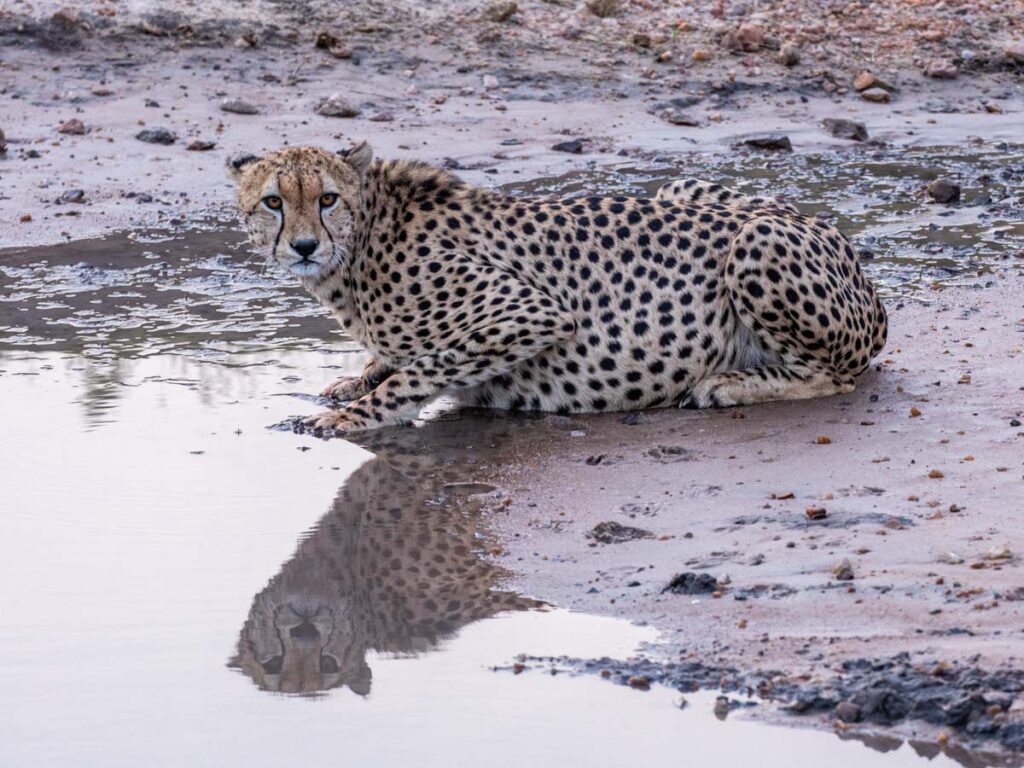
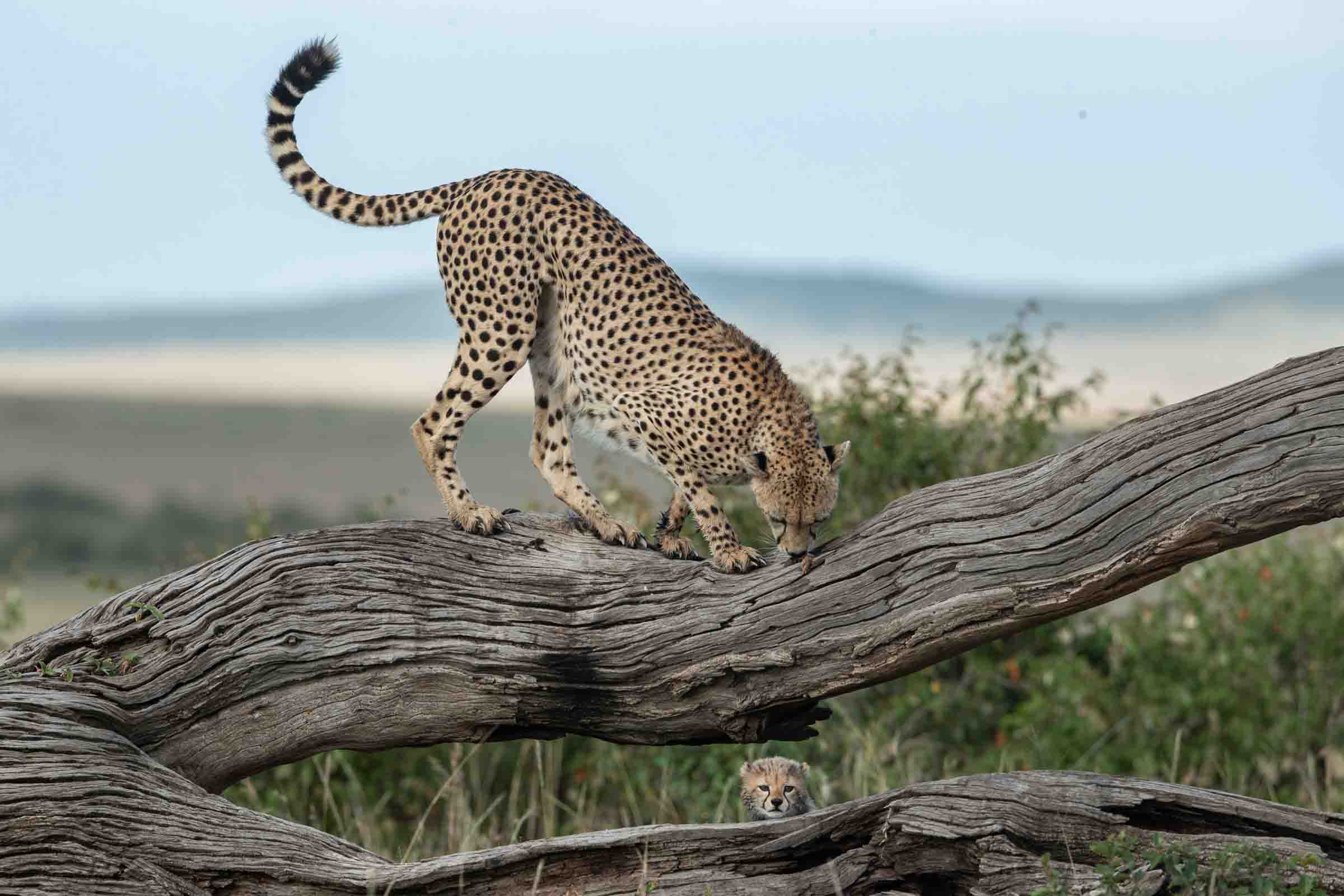
- Resident predators (lion, leopard, cheetah) remain active and are easier to spot against the fresh green grass
- Elephant herds move more freely across the plains as new water sources appear
- Bird life increases dramatically, migratory species begin arriving, and breeding plumage is at its best
- Some early wildebeest herds may still be present, though the main migration has moved south by this point
What this means for your game drives:
- Morning drives are usually dry and cool, the best window of the day
- Afternoon showers are typically short, and guides plan around them
- Fewer vehicles at every sighting means longer, calmer wildlife encounters
- Tracks can be muddier in places, which is why a good guide and the right vehicle matter more in November than in the dry season
A Masai Mara safari booking for November should include a guide who knows how to read the short rains, not one who treats every cloud as a reason to cut a drive short. At Mara Siligi Camp, our guides use the afternoon rain windows to reposition ahead of predator activity, since animals often move right after a shower.
What Makes Late October a Smart Time to Book?
Late October gives you fewer crowds, more relaxed booking windows, and a reserve that’s easing out of its busiest stretch of the year.
Peak migration months, especially August and September, see riverfront-adjacent camps like ours book out 6 to 12 months in advance. Late October sits outside that crunch. You’re still close enough to the migration season to benefit from dry conditions and strong wildlife density, but far enough past the peak that availability opens up and the pace on the ground feels calmer.
A few practical advantages of a late-October window:
- Easier availability, less pressure on tent inventory than peak August/September dates
- Fewer vehicles at sightings, a quieter, less crowded game drive experience
- A natural bridge season, dry-season conditions carrying into the start of Kenya’s short rains
- Strong value, pricing tends to ease as the reserve moves past its highest-demand weeks
Each of these advantages compounds. Fewer vehicles competing at a sighting means longer, more unhurried time with the animals you do find. Easier availability means we have more room to personalise your itinerary rather than slotting you into whatever’s left. And because our pricing is itemised upfront, park fees, meals, and drives all accounted for, you’ll know exactly what a quieter month is saving you compared to peak weeks.
Which Package Fits a Late October Trip?
Any of our core packages work in late October, the right one depends on your group and your priorities, not the calendar.
Package | Length | Built for | Late-October fit |
Mid-Range Safari | 2–3 days | First-timers, shorter trips | Good if your window is tight, but leaves less buffer for slower wildlife days |
Honeymoon/Couples | 4 days | Couples wanting privacy and pace | Private drives make the most of quieter, less crowded conditions |
Family-Friendly | 5+ days | Families with children, no minimum age | Family-paced drives suit the calmer late-season atmosphere |
Photography Tour | 6 days | Photographers wanting depth | Custom golden-light drives and photo review sessions, without August/September crowds competing for the same shot |
Our Masai Mara tour packages all include accommodation, daily guided game drives, park entry fees, all meals, and a local Masai guide as standard. Add-ons like a hot air balloon safari with bush breakfast, a private bush dinner under the stars, a stargazing session, or a Masai cultural village visit (USD 30 per adult) can be layered onto any of them, late October’s quieter pace makes these extras feel even more unhurried, since you’re not competing with peak-season demand for the same balloon slot or dinner setup.
None of our packages are fixed products. Every one is a starting point, tell us your dates, your group, and what matters most, and we’ll adjust the itinerary around you rather than the other way around.
How Does Late October Compare to Peak Migration Months?
Peak months give you the highest odds of a river crossing; late October trades some of that certainty for space, calm, and easier booking.
Factor | Peak (Early Aug – Mid Sept) | Late October |
River crossing odds | Highest of the season | Lower, activity has mostly moved south |
Crowds | Busiest weeks of the year | Noticeably quieter |
Booking lead time | 6–12 months ahead for riverfront camps | More availability, shorter lead time |
General game viewing | Excellent | Still excellent, Big Five density stays high |
Atmosphere | High-energy, high-demand | Relaxed, less competitive at sightings |
Choosing between Masai Mara Holiday Packages timed for peak weeks versus a late-October trip really comes down to what you value more: a shot at a crossing, or a calmer, easier-to-book safari. If your main goal is documenting a crossing for photography or a bucket-list moment, we’ll steer you toward early September. If you want a strong, less crowded safari with genuine value, late October is one of the smarter windows on the calendar, and it’s exactly the kind of trade-off we talk through with every guest before they book.
Why Base Your Late October Safari at Mara Siligi Camp?
Because a quieter season still deserves a camp positioned close to the action, and that’s exactly where we sit.
We’re based about 10 minutes from Mpuaai (Ol Kiombo) Gate and 15 minutes from Talek Gate, at the foothills of Oldonyo Loip Hill. In a lower-crowd month like late October, that proximity matters even more, you’re not competing with a long drive back and forth from a camp further out, so every drive counts toward actual time in the bush.
The camp itself runs on 10 eco tents, each with ensuite bathrooms, hot showers, private decks, and solar power. There’s a photo lounge with WiFi for guests who want to stay half-connected, plus a massage area and outdoor decks for unwinding after a game drive. Getting here from Nairobi is straightforward: roughly a one-hour flight from Wilson Airport into Ol Kiombo or Keekorok airstrip, or a scenic 5- to 6-hour drive via Narok, which we can arrange as part of your stay.
Booking Masai Mara travel packages during a shoulder window like late October also means our guides, all Masai who grew up on this land, have more room to build a genuinely personalised itinerary around what you want to see, rather than working around a fully booked drive schedule. Guests consistently rate us 5.0 out of 5 across roughly 450 reviews on Google and TripAdvisor, and a recurring theme in that feedback is exactly this: guides who know the land, and a pace that never feels rushed, something a quieter month only amplifies.
Our guides are also part of the local Masai community, so booking directly with us keeps that income in the area rather than routing it through a third-party agent. It’s a small detail, but one worth knowing if you’d rather your trip support the people who actually live and work on this land.
How Many Days Should You Book for a Late October Safari?
We recommend a minimum of 3 nights, with 4 giving you real flexibility if you’re still hoping to catch lingering migration activity.
All of our Masai Mara tour packages are built with this kind of flexibility in mind, and three nights is enough for four to five separate game drives and a proper first safari. If witnessing migration activity is still a priority for you in late October, we’d push that to 4 nights, it gives you more attempts at being in the right spot on a given day, since wildlife movement never runs strictly on a calendar. Our Mid-Range Safari Package covers the shorter end of that range; the Honeymoon/Couples and Family-Friendly packages naturally extend further and suit the calmer late-season pace well.
Frequently Asked Questions
Yes, late October offers strong Big Five game viewing, fewer crowds than peak migration months, and easier availability, though river crossings are less likely than in early September.
Pricing generally eases as the reserve moves past its highest-demand weeks in August and September, though your exact quote depends on package length, tent type, and travel dates, we provide an itemised quote with no hidden costs once you send us your details.
You have more flexibility for late October than for peak migration dates, but riverfront-adjacent camps still fill up faster the closer you get to travel dates, so booking a few months ahead keeps your options open.
Final Word
Late October won’t give you the same crossing odds as early September, and we’ll always tell you that upfront. What it does give you is a quieter, more relaxed Masai Mara safari package, strong wildlife density, fewer vehicles at every sighting, and easier booking than the peak weeks most travellers compete for. If a calmer trip with genuine value matters more to you than chasing the exact crossing window, this is one of the smartest times on the calendar to go.
We’ve hosted guests across every month of the year, and the ones who come in a shoulder window like late October rarely leave feeling like they missed out. They leave talking about the quiet, the mornings without a queue of vehicles at a sighting, the guide who had time to stop and explain a track in the dust instead of rushing to the next radio call. That’s the trade-off worth knowing before you book: less certainty around one specific event, more room for everything else a safari is actually about.
If you’re still weighing late October against an earlier date, we’d rather walk you through it honestly than oversell either option. Tell us what you most want from the trip, a crossing, a quieter pace, better value, or some mix of all three, and we’ll tell you plainly which window fits.
Ready to plan your late-October trip? Reach out to us with your dates and group size, and we’ll build you a personalised Masai Mara Holiday Packages itinerary, honest about what late October will and won’t give you, within 24 hours.