Masai Mara Safari Famous For
The Masai Mara is famous for the Great Migration, the highest predator density in Africa, the Big Five, and landscapes that look exactly like every wildlife documentary you have ever watched — because they were filmed here. If you are researching masai mara tour packages and wondering whether the destination lives up to its reputation, the short answer is yes. The longer answer is what this guide covers.
At Mara Siligi Camp, guests arrive with expectations built from nature films and travel reviews. Almost without exception, they tell us the reality surpassed both. Here is what the Masai Mara is actually famous for — and what that means for how you plan your trip. If you are exploring the right Masai Mara Travel Package for your first or next safari, this is your starting point.
Table of Contents:
- The Great Migration — The World’s Greatest Wildlife Spectacle
- The Big Five — What You Can Realistically Expect to See
- Big Cats — Why the Mara Has One of Africa’s Highest Predator Densities
- The Mara River — The Most Dramatic Wildlife Stage on Earth
- Maasai Culture — The People the Reserve Is Named After
- Year-Round Safari Season — Why There Is No Bad Time to Visit
- How to Choose a Masai Mara Safari Package That Matches Your Goals
The Great Migration — The World’s Greatest Wildlife Spectacle
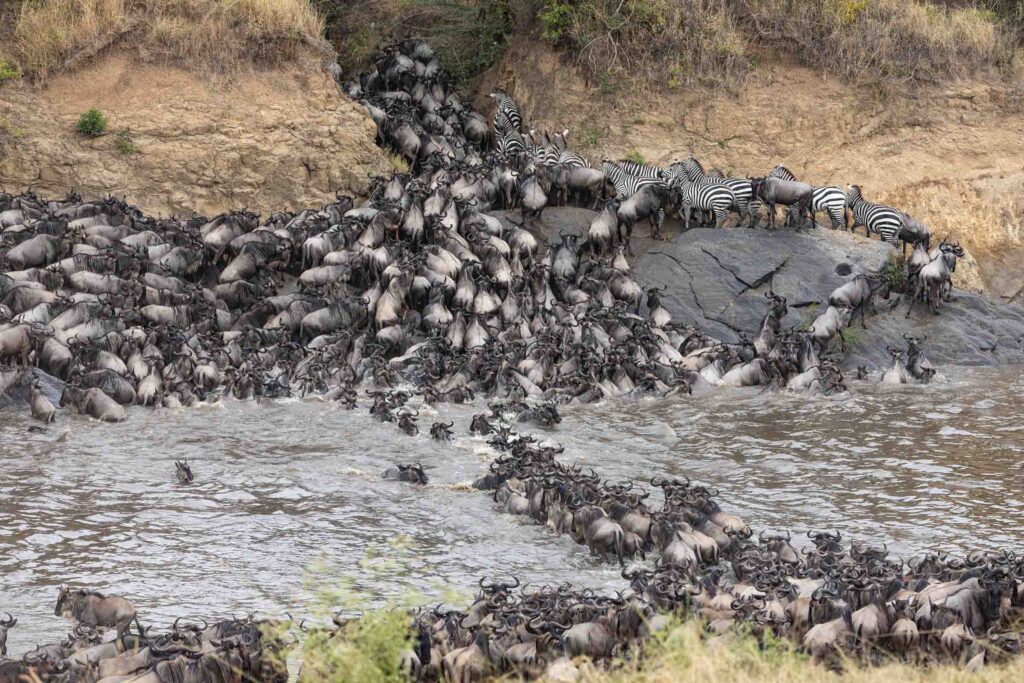
If the Masai Mara has a single defining feature, it is the Great Migration. Over 1.5 million wildebeest — accompanied by hundreds of thousands of zebra and gazelle — move annually from Tanzania’s Serengeti north into the Mara ecosystem and back again. No wildlife event on the planet matches it in scale.
The river crossing footage that appears in every major wildlife documentary? Almost all of it was shot here, on the Mara River, during the July to October window.
What you need to know before you book:
- Peak crossings happen from July through October, with August and September offering the most concentrated action
- The crossings are entirely unpredictable — you could watch the same point for two hours and see nothing, then witness 10,000 animals enter the water in fifteen minutes
- The herds are in the Mara for weeks, meaning multiple drives increase your odds significantly
- Camps positioned along migration corridors see animals between drives, on the road to the gate, throughout the day
A well-timed masai mara safari package built around the migration window will position you at the right camp, near the right river points, on the right dates. Timing alone is not enough — location is what converts timing into an actual sighting. Mara Siligi Camp sits within the primary migration corridor, giving guests direct access to movement routes without lengthy transit to productive ground.
A good masai mara tour packages provider builds your itinerary around the specific week you are travelling, not a generic “migration season” promise. Ask exactly that before you confirm any booking.
The Big Five — What You Can Realistically Expect to See
The “Big Five” — lion, leopard, elephant, buffalo, and rhino — are the benchmark of a serious safari. The Mara delivers on four of the five consistently, with one honest caveat. For travellers booking masai mara tour packages for the first time, understanding what is realistically sighted — and how often — matters far more than exaggerated safari marketing claims.
One of the reasons the reserve is included in so many Masai Mara Travel Package itineraries is because wildlife density remains exceptionally strong throughout the year, not only during migration season. Even outside peak months, most Masai Mara wildlife safari guests encounter multiple major species within the first few drives.
Animal | Mara Status | Realistic Expectation |
Lion | Abundant | Sightings on most drives |
Leopard | Present | Elusive — guide knowledge is critical |
Elephant | Common | Regular sightings, especially near rivers |
Buffalo | Abundant | Frequently seen in large herds |
Rhino | Not present | Nearest population: Ol Pejeta Conservancy |
A strong Masai Mara Holidays Package does not oversell rhino. It tells you where the five actually are, builds your drives around the habitats where they concentrate, and prepares you for what elusive really means when it comes to leopard.
At Mara Siligi Camp, our guides track which lion prides are currently active in our game circuits and which trees the resident leopard favours. That kind of territorial intelligence does not come from a brochure — it comes from years of working the same specific ground.
The best masai mara safari package experiences are rarely about luck alone. They come from experienced guides, strong camp positioning, and daily knowledge of how wildlife is moving through the conservancy in real time.
Big Cats — Why the Mara Has One of Africa’s Highest Predator Densities
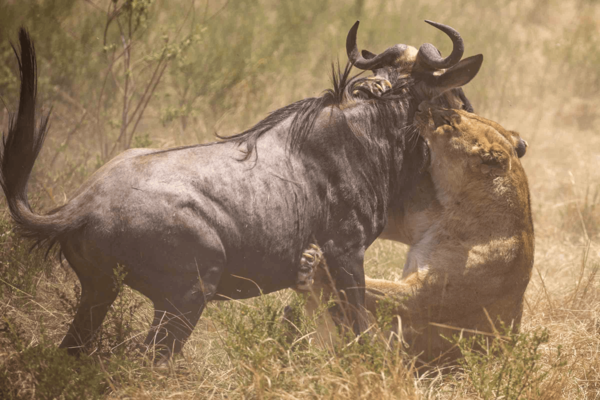
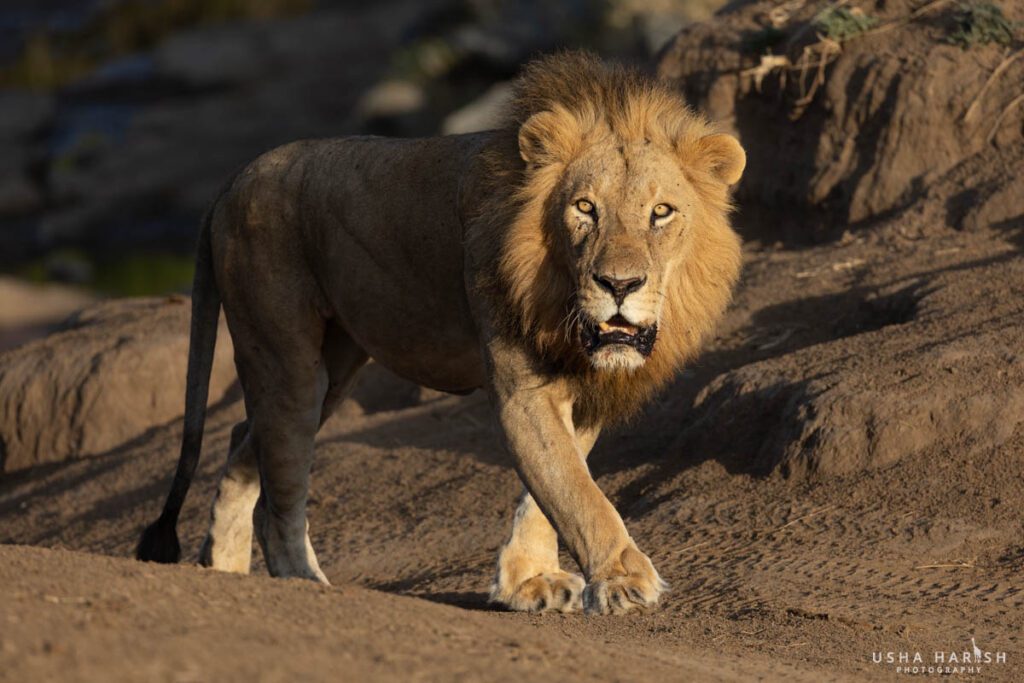
Beyond the Big Five, the Mara is specifically famous for its big cat concentration. Lions, leopards, and cheetah share overlapping territories across the reserve in numbers that are exceptional by any global standard. For many travellers booking masai mara tour packages, this is the defining reason the reserve sits at the top of their safari list. Very few ecosystems allow you to see multiple predator species operating within the same game circuit over the course of a single drive.
Why the predator density is so high:
- The wildebeest migration delivers a massive prey surge every year, sustaining large predator populations through the peak season
- Open grassland terrain means you can spot cats at distance — cats that would be invisible in denser East African bush
- Decades of protection have allowed populations to stabilise at numbers that continually astonish first-time visitors
- Year-round resident herbivores — zebra, topi, gazelle — provide consistent prey even in non-migration months
The open structure of the Mara landscape changes the quality of sightings completely. In many safari destinations, predators disappear into woodland within seconds. In the Mara, large stretches of short-grass plains allow extended viewing opportunities, particularly for cheetah and lion prides moving through open country. That visibility is one of the reasons so many wildlife documentaries and photography expeditions are based here.
When you book a Masai Mara Travel Package specifically for big cat sightings, the camp you choose matters as much as the season. A small camp with private drives and a guide who knows predator territories will outperform a larger property on sighting rates — even on the same day, in the same reserve. A Masai Mara Holidays Package focused on big cats should list the specific species resident in the camp’s game circuits — not just promise “excellent game viewing.”
At Mara Siligi Camp, guides track current pride movements, cheetah territories, and the areas where resident leopards have recently been active. Predator movement changes constantly with prey patterns, weather, and migration activity, which is why local territorial knowledge matters so much when comparing masai mara safari package options.
The package you choose should tell you, specifically, which game circuits your camp runs and what species are resident in them right now. Vague answers to that question are a signal worth noting.
The Mara River — The Most Dramatic Wildlife Stage on Earth
The Mara River runs through the reserve and forms the Kenya-Tanzania boundary. It is not just a geographical line — it is the single most important wildlife corridor in the entire ecosystem, and the location of the most intense wildlife events on the planet. For travellers researching masai mara tour packages, the river is often the image they already recognise before arriving — wildebeest plunging into fast-moving water, crocodiles waiting below, and huge herds gathering along the banks deciding whether to cross.
What makes the Mara River different from every other African river:
- It holds one of the largest concentrations of Nile crocodiles in Africa, particularly during crossing season
- Hippo pods occupy every slow bend and pool year-round, regardless of migration timing
- River crossings during the migration are watched by a handful of vehicles and millions of people — the footage travels the world
- The riverine forest along the banks shelters leopard, smaller predators, and over 500 bird species year-round
What surprises many first-time safari guests is that the Mara River remains productive far beyond migration season. Even outside the crossing months, the river system attracts resident wildlife continuously because it functions as a permanent water source within the ecosystem. Elephant herds move through the riverbanks regularly, hippos remain active throughout the day, and predators patrol the surrounding forest edges where prey species gather.
A well-structured Masai Mara safari itinerary treats the river as more than a single migration stop. Early morning drives along the river corridor often produce some of the most varied sightings in the reserve — especially during quieter months when vehicle density is lower and wildlife behaviour feels less pressured.
Your Masai Mara Travel Package should include dedicated morning drives to the river — not just during migration, but any time of year. Even in the quietest months, the Mara River consistently delivers sightings that rival peak season at almost any other African destination. Make sure your Masai Mara Holidays Package includes drives along this corridor regardless of which season you travel — the river is never quiet.
Maasai Culture — The People the Reserve Is Named After
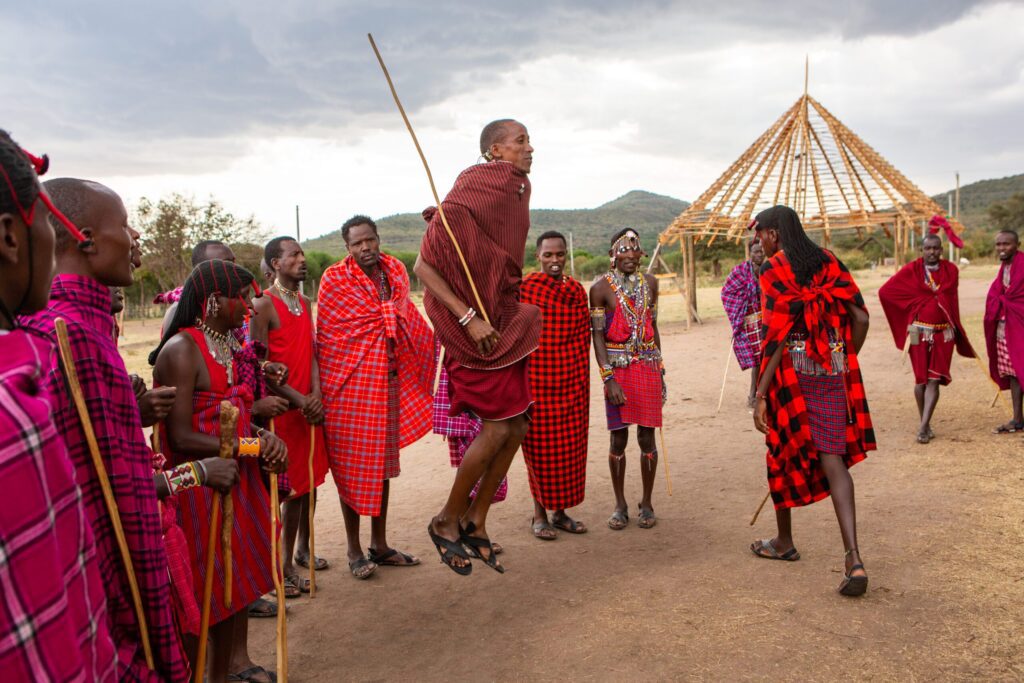
The Masai Mara takes its name from the Maasai people — one of the few semi-nomadic communities in East Africa who have maintained their traditional way of life alongside a modern conservation economy. The Maasai are not a backdrop to the safari. They are the reason the land is the way it is. Their long-standing relationship with the ecosystem has played a major role in preserving the open grasslands and wildlife corridors that make the Mara globally famous today.
What you can experience:
- Village visits to traditional Maasai homesteads (manyattas) arranged through responsible camps
- Conversation with warriors and elders on land use, cattle herding, and ceremonial traditions
- Beadwork, jewellery, and textile craft that forms an active part of Maasai daily life — not a performance for tourists
- The conservancy model — community-owned land that buffers the national reserve and extends wildlife corridors across an enormous area
For many travellers booking masai mara tour packages, cultural experiences become one of the most memorable parts of the trip alongside the wildlife itself. A masai mara safari package that includes community engagement adds a dimension to the Mara that game driving alone does not reach. If cultural immersion matters to you, communicate that early — any good camp team will help you structure it into your stay. Quality Masai Mara tour package from India include this as a built-in option, not an expensive add-on.
Year-Round Safari Season — Why There Is No Bad Time to Visit
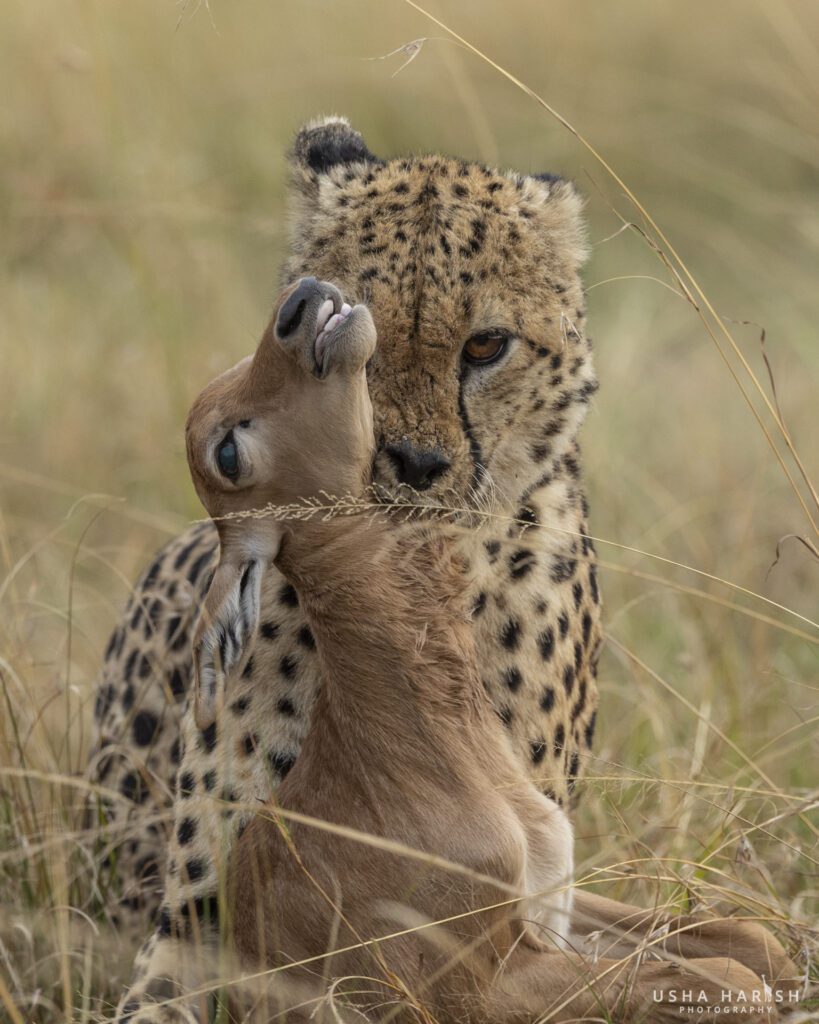
The Mara is famous for the migration, but its year-round productivity is what separates it from every other African safari destination. Outside migration season, the Mara is not a consolation prize — it is a different experience, often a better one for specific goals. Resident wildlife remains in the ecosystem throughout the year, which means game drives stay productive regardless of season.
The full-year breakdown:
- January to March — calving season in the southern ecosystem; predator activity is at its peak as lions and cheetah follow newborn herds
- April to June — the green season; lush landscapes, exceptional bird diversity, very few tourists, lower camp rates
- July to October — peak migration, river crossings, highest visitor numbers and highest camp prices
- November to December — herds begin moving south; resident wildlife throughout; quieter drives, cleaner sightings
The best masai mara safari tours are designed around your specific travel window — not a generic season. A masai mara packages booked for the green season often delivers better access, quieter drives, and stronger predator sightings than a peak-season trip with twenty vehicles at every lion sighting.
A masai mara safari from india in shoulder season is also significantly more affordable without a meaningful drop in wildlife quality. That trade-off is worth understanding before you default to booking peak migration months. If your goals are predator sightings and quiet drives, a shoulder-season Masai Mara Travel Package almost always outperforms a peak-season one.
How to Choose a Masai Mara Safari Package That Matches Your Goals
The Mara is famous for its wildlife. What you actually experience depends on how your trip is structured.
The four variables that define your safari:
- Camp location — proximity to gates, game zones, and migration corridors determines your daily reserve time
- Drive type — private versus shared vehicles; private drives consistently outperform shared on both sighting quality and flexibility
- Camp size — smaller camps mean more responsive teams, more personalised routing, and fewer vehicles crowding the same sighting
- Guide experience — territorial knowledge beats general training on every drive, every season
When you compare Masai Mara Migration safari, ask these questions before you confirm:
- Is the game drive private, or will I share a vehicle?
- How many tents does the camp run at full capacity?
- How close is the camp to the reserve gates — in minutes, not kilometres?
- What is included in the daily rate — park fees, meals, transfers?
At Mara Siligi Camp, every drive is private. The camp runs a maximum of ten tents. We sit 10 minutes from Mpuaai Gate and 15 minutes from Talek Gate. Those numbers directly determine your wildlife time each day.
Ask any masai mara safari package provider for the drive time to the nearest gate. It is the single most underrated variable in any camp comparison — and the clearest indicator of how seriously a property takes your game drive hours.
A masai mara all inclusive packages that builds in private drives, a well-located small camp, and experienced territorial guides gives you the full Mara experience — the one the reserve is actually famous for, not just the headline version.
At Mara Siligi Camp, that is exactly what we offer. Tell us your dates, your goals, and your travel style — we will build your stay around all three.
Frequently Asked Questions
The Masai Mara is most famous for the Great Migration, where over 1.5 million wildebeest and zebra move between the Serengeti and the Mara ecosystem. It is also known for Big Five sightings, exceptional predator density, and dramatic Mara River crossings that feature in many wildlife documentaries.
Yes — the Masai Mara is one of Africa’s best safari destinations for spotting lion, leopard, elephant, and buffalo throughout the year. Rhino are not commonly found inside the reserve itself, but most masai mara safari package guests still experience outstanding Big Five-style game viewing during their stay.
The best time depends on your safari goals. July to October is ideal for the Great Migration and Mara River crossings, while January to March offers excellent predator sightings and fewer crowds. Many travellers also choose green-season Masai Mara Travel Package options for quieter drives and lower rates.