
Masai Mara Safari Package from Australia
Australia is about as far from the Masai Mara as you can get on this planet. And yet, every year, thousands of Australians make the journey — and almost every single one of them says the same thing when they arrive: it was worth every hour in the air.
Planning a Kenya safari from Australia takes a little more thought than booking a regional trip. The flights are long, the time zones are disorienting, and there are decisions to make — about timing, itinerary length, what kind of camp to stay in, and how to make sure you’re not wasting your precious annual leave on a trip that doesn’t deliver. That’s exactly what this guide is for.
At Mara Siligi Camp, we work with guests from all over the world, and Australians are among our most well-prepared visitors. They’ve done the research, they know what they want, and they arrive ready to make the most of every game drive. This guide will help you get to that point — from choosing the right Masai Mara safari package to landing in Nairobi ready to go.
Table of Contents:
- Why Australians Are Choosing the Masai Mara Over Other Safari Destinations
- The Long-Haul Reality — Flights, Stopovers & Arrival
- How Many Days Do You Actually Need?
- Choosing the Right Masai Mara Safari Package for Your Trip
- When to Go — Seasons, Migration & the Best Windows from Australia
- What Your Days Actually Look Like in the Mara
- What to Pack for a Masai Mara Safari from Australia
- Frequently Asked Questions
Why Australians Are Choosing the Masai Mara Over Other Safari Destinations
There are safari destinations closer to Australia — South Africa, Sri Lanka, parts of Southeast Asia. So why are so many Australians choosing Kenya, and specifically the Masai Mara?
The answer comes down to one thing: density of wildlife experience. The Masai Mara is consistently rated among the top two or three wildlife destinations on earth. The Big Five — lion, leopard, elephant, buffalo, rhino — are all present. The wildebeest migration, one of the most spectacular natural events anywhere, passes through here between July and October. Cheetah, wild dog, hyena, giraffe, zebra, hippo — the Mara delivers in a way that very few ecosystems can match.
For Australians who are making a once-in-a-decade trip and want to make it count, the Mara is the obvious choice. You’re not settling for good wildlife. You’re going for the best.
The other factor is accessibility from a planning perspective. Kenya’s tourism infrastructure is well-developed, English is widely spoken, and the safari industry — particularly around the Mara — is experienced at handling international guests with complex travel arrangements. From the moment you land in Nairobi, the logistics are manageable.
The Long-Haul Reality — Flights, Stopovers & Arrival
Let’s be honest about the journey first, because it shapes how you plan everything else.
From Sydney or Melbourne, you’re looking at roughly 18–22 hours of total travel time to Nairobi, depending on your routing and stopover. Common routes go through Dubai, Doha, Singapore, or Hong Kong. There is no direct flight from Australia to Nairobi — every routing involves at least one stop.
Here’s what that means for your planning:
- Build in a Nairobi night. Arriving in Nairobi and immediately transferring to the Mara the same day is possible but not advisable after a 20-hour journey. Give yourself one night in Nairobi to sleep, shower, and adjust. You’ll be sharper for your first game drive.
- Fly into the Mara, don’t drive. The road from Nairobi to the Mara is around 5–6 hours. After a long-haul flight, that’s an exhausting way to start a safari. The flight from Wilson Airport in Nairobi to one of the Mara airstrips takes around 45 minutes and is genuinely spectacular — the Rift Valley from the air is a view in itself. Budget for this. It’s worth it.
- Give your body time zones. Nairobi is UTC+3. Sydney is UTC+11 in summer, UTC+10 in winter. That’s an 8–9 hour difference. Most Australians find they adjust within a day or two, especially because the early morning game drives naturally pull you into the local rhythm fast.
- Travel insurance is non-negotiable. For a trip of this distance and investment, comprehensive travel insurance — including medical evacuation cover — is essential. Kenya has good medical facilities in Nairobi, but the Mara is remote. Make sure you’re covered.
How Many Days Do You Actually Need?
This is the question we get asked most by Australian guests, and our answer is always the same: more than you think.
The standard advice for a Masai Mara safari is a minimum of three nights. For Australian travellers who’ve invested 20+ hours of flying time each way, three nights is genuinely the minimum — not the ideal. Here’s how we’d frame it:
3 nights — the minimum You’ll see wildlife, you’ll experience the Mara, and you’ll come home with good memories and decent photographs. But three nights goes fast, and if you hit a slow day — bad weather, animals deep in the conservancy — you don’t have much buffer.
4–5 nights — the sweet spot for most Australian visitors This is where the magic happens. By day two you know the landscape. By day three your guide knows what you’re looking for and where to take you. Day four and five are when the best sightings tend to happen — not because the wildlife is different, but because you’ve stopped rushing and started paying attention.
6–7 nights — for the serious safari traveller If this is a bucket-list trip and you want to see everything the Mara can offer — migration crossings, big cat action, bird life, cultural visits to Maasai villages — a week gives you the time and flexibility to do it properly. Many of our guests who stay a week tell us they wished they’d booked longer.
Our Masai Mara Holiday Packages are structured around these stay lengths, and we’re happy to help you work out what’s realistic given your total trip duration and budget.
Choosing the Right Masai Mara Safari Package for Your Trip
This is where planning gets personal — because the right package depends entirely on what you’re hoping to experience.
All-inclusive packages
For most international visitors, an all-inclusive arrangement — accommodation, all meals, game drives, and park fees included — is the most practical and often the most cost-effective way to do it. You know exactly what you’re spending before you arrive, there’s no haggling over extras, and your day flows naturally from game drive to breakfast to evening drive without any financial friction.
Our Masai Mara tour packages are structured this way, and we’d strongly recommend this format for first-time visitors from Australia. The fewer variables you’re managing on the ground, the more present you can be for the actual safari experience.
Couple and honeymoon packages
The Mara is one of the world’s great romantic destinations — there’s something about watching a sunset over the savannah or lying in a tent listening to lions at night that does things to people. We offer Masai Mara Holiday Packages designed specifically for couples, with extra attention to privacy, shared game drives, and those small details that make a trip feel special rather than just logistically efficient.
Family packages
Travelling with children? The Mara is absolutely a family destination, and we welcome guests of all ages. The key is choosing a camp that can accommodate families comfortably and that structures game drives around the energy levels and attention spans of younger guests. Get in touch with us and we’ll help you work out the right configuration.
Solo traveller packages
Solo travel in the Mara is more common than many people expect. Our Masai Mara Travel Packages work well for solo guests — the small-group game drives mean you’ll share a vehicle with a handful of other guests rather than going out alone, which most solo travellers find they actually prefer. You meet people, share sightings, and the cost is more manageable.
When to Go — Seasons, Migration & the Best Windows from Australia
Timing a Kenya safari from Australia requires thinking about two sets of seasons simultaneously — your Australian calendar and the Mara’s wildlife calendar.
July to October — Peak Safari Season
This is the Masai Mara’s headline period. The wildebeest migration — more than a million animals moving through the ecosystem — brings the famous Mara River crossings, intense predator activity, and the kind of wildlife drama that defines the Mara’s reputation globally. July to October is also the dry season, which means shorter grass, easier wildlife spotting, and excellent game drive conditions.
For Australians, July and August align with school holidays — which makes this window popular for families. Book your Masai Mara safari package well in advance if you’re targeting this period. The best camps fill up months ahead.
January to February — The Short Dry Season
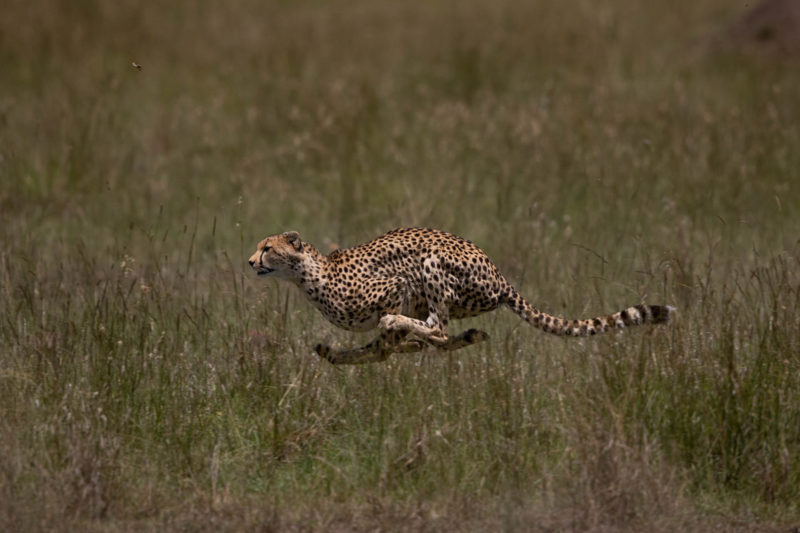
A genuinely excellent window that many international travellers overlook. The Mara is quieter, the light is beautiful, and the resident wildlife — cheetah, lion, leopard, elephant — is superb. For Australians who can travel in the Southern Hemisphere summer, this is a fantastic option with lower demand and more availability in camps.
November to December — Green Season
Post-migration, the Mara transitions into its green season. Taller grass, dramatic skies, and occasional afternoon showers. Wildlife is still excellent — in fact, some photographers prefer the green season for the lush, atmospheric quality of the landscape. Fewer visitors means more space and a more intimate experience. Our Masai Mara Travel Packages during the green season offer better value and availability.
March to June — Long Rains
The Mara’s long rainy season. Some camps close partially during this period. Wildlife is present but harder to spot in the lush vegetation. If budget is a primary concern and you’re flexible on timing, this window offers the most affordable Masai Mara Holiday Packages — but go in with realistic expectations about conditions.
What Your Days Actually Look Like in the Mara
We want to give you a concrete sense of what a day at Mara Siligi Camp looks like — because understanding the rhythm of a safari day helps you plan your overall trip better.
5:45 AM — Wake-up call. Bush coffee and a light snack at camp while the sky turns from black to deep blue to gold.
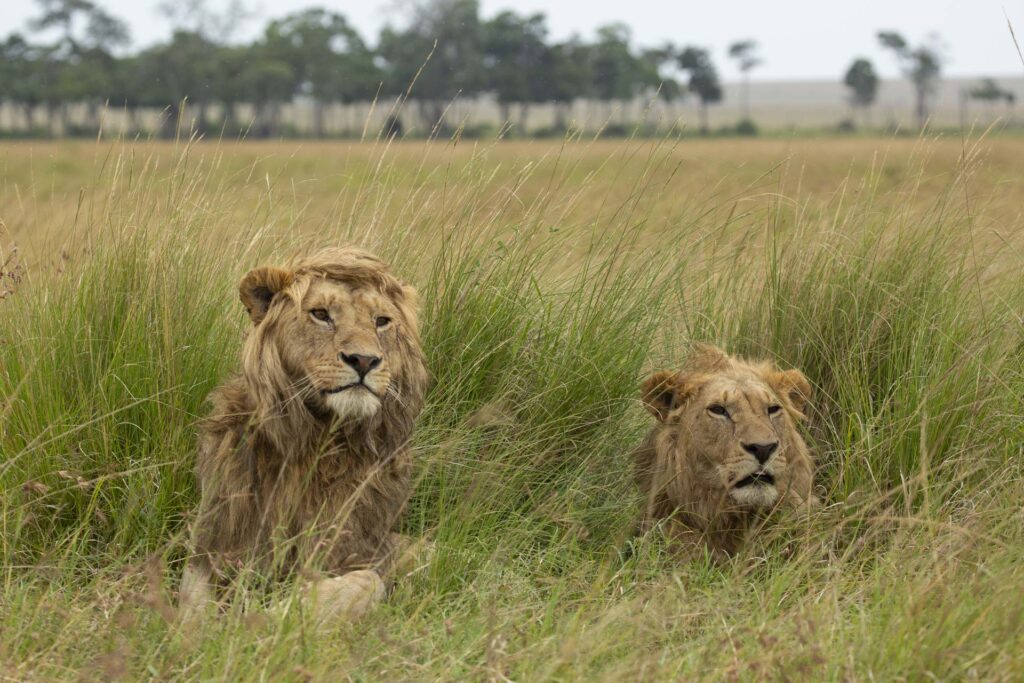
6:00 AM — Morning game drive. You’re in the reserve as the sun comes up. This is the most important game drive of the day — predators are still active, the light is extraordinary, and the Mara is at its most alive.
9:30–10:00 AM — Return to camp for a full cooked breakfast. Time to review your photographs, rest, or simply sit and watch the birds around camp.
11:00 AM–3:30 PM — Midday. Some guests rest, some read, some take a nature walk around camp. The midday heat is real, and this downtime is part of the rhythm — not wasted time.
4:00 PM — Afternoon game drive. As the light softens and cools, the Mara comes alive again. This drive often runs until just before gate closing — capturing that golden hour and, if you’re lucky, a blue-hour silhouette on the way back.
7:30 PM — Dinner at camp. Conversation around the fire. Sleep comes easily when you’ve been up since before dawn and spent the day watching one of the world’s great wildlife ecosystems.
This is what our Masai Mara tour packages are built around — two full game drives every day, with all the comfort and logistical ease in between that lets you be fully present when you’re out in the field.
What to Pack for a Masai Mara Safari from Australia
A few Australia-specific notes on packing, beyond the standard safari checklist:
- Plug adaptors: Kenya uses the UK three-pin plug (Type G). Bring an adaptor or pick one up at Nairobi airport. Most camps have charging facilities but not always the right socket.
- Neutral colours: Standard safari advice applies — khaki, olive, beige, brown. Leave the bright colours at home. Not just for wildlife viewing, but for the dust that will find its way into everything.
- Layers: The Mara mornings are genuinely cold — often 10–14°C at 6 AM. Australians who arrive expecting it to be warm all the time are regularly surprised. Bring a fleece or light down jacket for game drives.
- Sun protection: You’re on the equator. The UV is intense, especially on open game drives. High-SPF sunscreen, a wide-brim hat, and UV-protective clothing are essentials.
- Binoculars: A good pair of 8×42 or 10×42 binoculars transforms your safari. Many things you’ll see at distance are extraordinary through bins — and they complement photography beautifully.
- Medication and health: Consult your GP about malaria prophylaxis before you travel. The Mara is a malaria zone, and prevention is straightforward. Yellow fever vaccination requirements for Kenya entry should also be confirmed with your doctor and the Kenyan High Commission in Australia.
Frequently Asked Questions
For travel during peak season (July–October), we recommend booking 6–12 months in advance. The best camps and Masai Mara safari package options fill up early, particularly for the migration period. For shoulder and green season travel, 3–6 months is generally sufficient.
Our packages at Mara Siligi Camp are fully all-inclusive — accommodation, all meals, twice-daily game drives, park fees, and transfers from the local airstrip. International flights and Nairobi accommodation are not included but we can recommend trusted partners. Get in touch with us and we’ll walk you through exactly what’s covered and help you build the right itinerary for your trip from Australia.
Given the travel investment, we recommend a minimum of four nights — ideally five. Three nights is possible but leaves little buffer for a slow day or the unexpected delays that come with long-haul travel. The more time you give yourself in the Mara, the more the experience compounds. Most Australian guests tell us their only regret was not staying longer.