Best Masai Mara Tour Packages & Wildlife Guide
Everything you need to plan your July Masai Mara holiday — from the Great Migration timing to choosing the right Masai Mara safari package for your trip.
If you’ve been thinking about a Masai Mara safari for a while, here’s the honest answer to your timing question: July is the month.
Not June, not August — though both are excellent. July sits right at the peak of the Great Migration, the single most spectacular wildlife event on the planet. And the Masai Mara is where it reaches its most dramatic chapter.
This guide walks you through what to expect in July, wildlife sightings during Migration season, weather and ground conditions, what to pack, the best Masai Mara Tour packages for July 2026, and why Mara Siligi Camp is one of the best places to base yourself during Migration season.
Table of Contents:
- Why July is the single best month for a Masai Mara safari
- Wildlife you will actually see on a July Masai Mara safari
- July weather in the Masai Mara — what to expect on the ground
- Masai Mara safari packages for July 2026 — what Mara Siligi offers
- Practical travel tips for planning your Masai Mara holiday in July
- Why book your Masai Mara tour package with Mara Siligi Camp
- Frequently asked questions about a July Masai Mara safari
Why July Is the Single Best Month for a Masai Mara Safari
July is the peak of the Great Migration in the Masai Mara, offering the highest concentration of river crossings and predator sightings.
The Masai Mara is exceptional throughout the year. But July transforms the entire ecosystem into one of the greatest wildlife spectacles on earth. It is the period when the plains become densely active, predator movement increases, and the Great Migration begins pushing dramatically into the Mara from Tanzania.
For travellers planning a wildlife-focused Kenya holiday, July consistently stands out as the peak season for sightings, photography, and overall safari experience. From first-time safari guests to experienced wildlife photographers, this is the month most people specifically target while searching for Masai Mara holiday packages and safari experiences.
July Safari Highlights at a Glance
Statistic | Detail |
1.5M+ | Wildebeest entering the Mara ecosystem during the Great Migration |
450+ | Bird species across the Masai Mara ecosystem |
Peak Season | Best period for river crossings and predator activity |
Dry Conditions | Clear visibility and easier wildlife spotting |
Golden Light | Excellent sunrise and sunset photography conditions |
Why July Stands Out
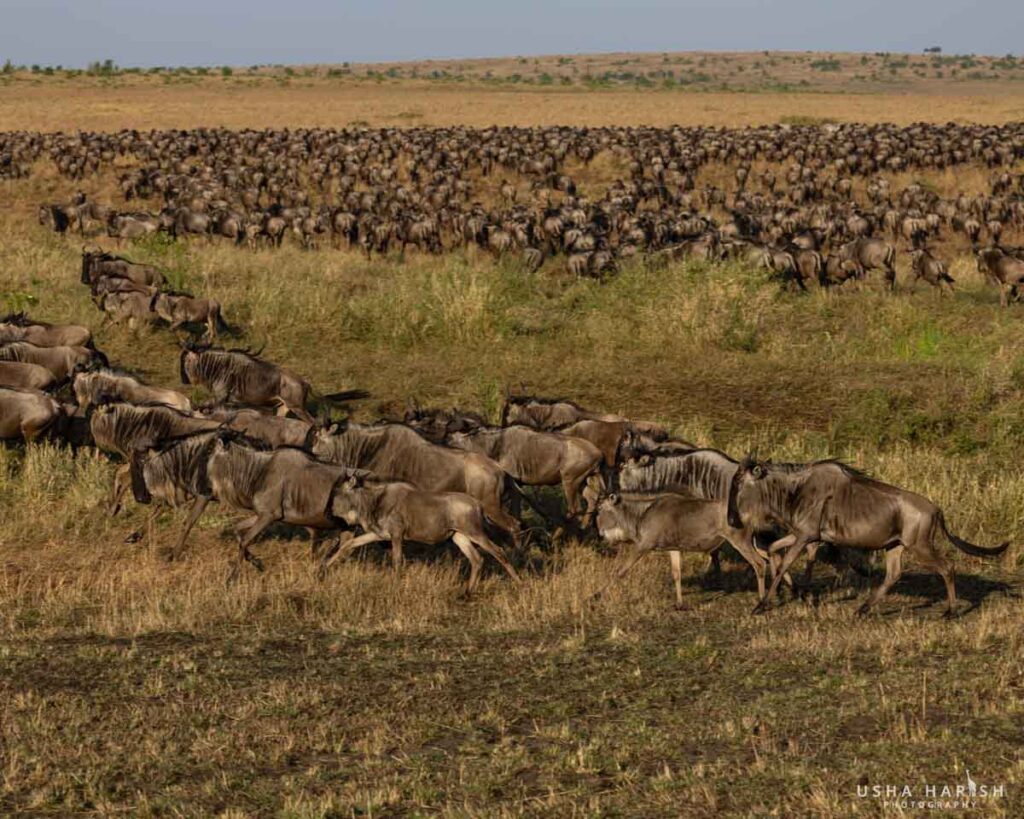
- The Great Migration peaks. Over 1.5 million wildebeest, zebra, and gazelle flood across the Kenya–Tanzania border into the Mara ecosystem. The famous Mara River crossings — crocodiles, panic, chaos, survival — happen most frequently in July and August.
- Dry season conditions. July sits in the long dry season. Vegetation thins out, animals cluster around water sources, and sightlines across the savannah open up completely. You see more, you see it clearly, and your photos come out clean.
- Big cat activity surges. Lions, leopards, and cheetahs follow the Migration. July puts you right in the middle of the highest predator-prey interaction window of the year.
- Cool, comfortable temperatures. July mornings average 14–17°C — perfect for long game drives without heat fatigue. You stay in the vehicle longer, which means more sightings.
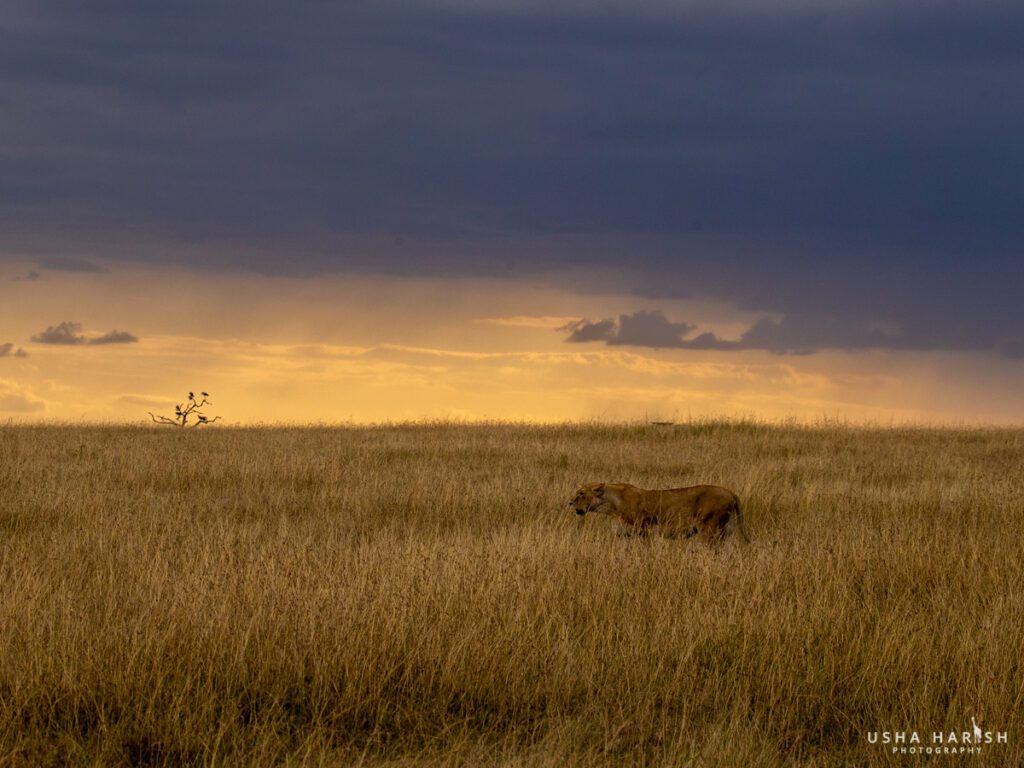
- Exceptional photographic conditions. Dry-season light in the Mara is extraordinary. Low humidity, clear skies, and dust-free air give you the kind of golden-hour frames that define a career portfolio.
Bottom Line
If you only plan to do one African safari in your life, a Masai Mara Tour package in July is the one to book.
Nothing else matches the density of wildlife, photographic opportunities, and dramatic natural events happening in a single week during Migration season.
Wildlife You Will Actually See on a July Masai Mara Safari
The Masai Mara in July delivers remarkably consistent wildlife sightings.
Unlike destinations where sightings depend heavily on luck, the Mara during Migration season provides repeat encounters across multiple game drives.
The Great Migration
Wildlife Experience | What You’ll See |
Mara River crossings | Wildebeest crossing chaotic river systems |
Massive herd movement | Zebra, gazelle, and wildebeest moving across open plains |
Crocodile ambushes | Dramatic predator interaction during crossings |
Open savannah movement | Large-scale migration behaviour visible across the ecosystem |
Big Cats
Predator | Typical July Activity |
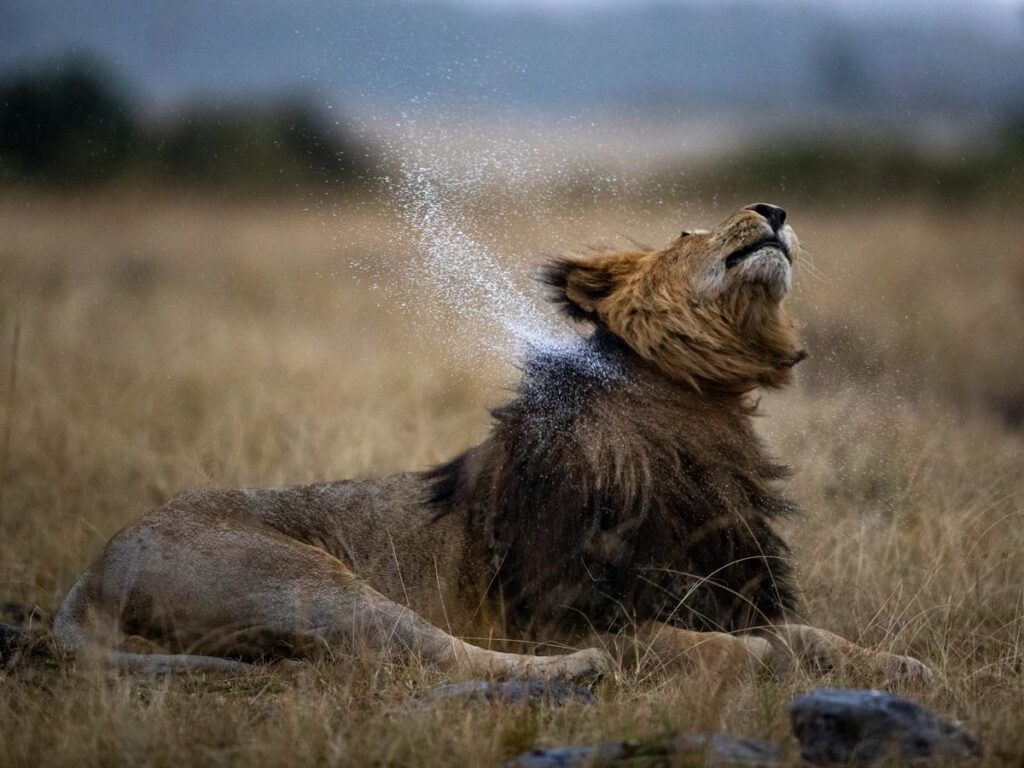
Lion | Hunting, pride interaction, open-plain sightings |
Cheetah | Hunts, coalition males, cub sightings |
Leopard | More frequent sightings due to guide tracking and dry conditions |
The Mara remains one of the best places in Africa for consistent big cat sightings.
Year-Round Wildlife Residents
You can also expect frequent sightings of:
- Elephant herds moving through the conservancy — regularly seen at close range on game drives
- Hippo pods at the Mara River — most active at dawn and dusk
- Cape buffalo in large herds — a magnet for lion activity
- Giraffe, topi, impala, warthog, hyena, jackal, and over 450 bird species including the lilac-breasted roller and secretary bird
“In July, you don’t go looking for wildlife. The wildlife finds you.”
— Observation from Mara Siligi Camp guides, multiple seasons
July Weather in the Masai Mara — What to Expect on the Ground
Before packing for your safari, it’s important to understand what July conditions actually feel like inside the Mara ecosystem. July falls within the dry season, which means cooler mornings, warm afternoons, low humidity, and excellent wildlife visibility across the open plains.
The weather during this period is one of the biggest reasons July is considered the best time to book Masai Mara Holidays packages and wildlife-focused travel experiences.
July Weather Breakdown
Category | What to Expect |
Morning Temperature | 12–16°C — early morning game drives can feel genuinely cold, especially in open safari vehicles. Bring a fleece layer or lightweight jacket for sunrise drives. |
Afternoon Temperature | 24–28°C — afternoons are warm, comfortable, and generally pleasant without extreme heat. |
Humidity | Comfortable, dry conditions with minimal humidity, making long game drives much easier compared to tropical safari destinations. |
Rainfall | July is part of the dry season. Rain is rare, skies are usually clear, and wildlife activity remains highly visible throughout the day. Dust increases slightly mid-month on frequently used safari tracks. |
Visibility | Excellent visibility across the plains due to thinner vegetation and dry-season conditions. Wildlife spotting becomes significantly easier. |
Vegetation | Grasses become thinner and golden in colour, creating open sightlines across the savannah. Ideal for spotting predators, Migration herds, and long-distance wildlife movement. |
Photography Conditions | Clear skies, soft sunrise light, dramatic sunsets, and long golden-hour windows create exceptional wildlife photography conditions throughout July. |
Sunrise & Sunset
Timing | Approximate Time |
Sunrise | Around 6:20am |
Sunset | Around 6:35pm |
Long golden-hour windows make July ideal for wildlife photography.
Packing Tip
Layers matter more than warmth alone. A fleece, a light jacket, and a base layer give you flexibility across a 6am game drive that ends in 27°C afternoon sun. Don’t pack heavy — pack adaptable.
Masai Mara Safari Packages for July 2026 — What Mara Siligi Camp Offers
Mara Siligi Camp is located:
- 10 minutes from Mpuaai Gate
- 15 minutes from Talek Gate
This means:
- Less transit time between camp and the reserve
- More time spent on actual game drives
- Faster access to wildlife-rich areas during peak activity hours
- Better chances of reaching sightings early before vehicle crowds build up
- More flexibility during sunrise and sunset photography windows
Mid-Range Safari Package — 2 to 3 Days
Best For
First-time safari travellers, couples, and short-stay visitors looking for a well-balanced Masai Mara safari experience without committing to a long itinerary.
Package Includes
- Accommodation in comfortable ensuite safari tents
- Breakfast, lunch, and dinner included daily
- Guided game drives with experienced local Masai guides
- Park entry fees included
- Morning and afternoon drives timed around wildlife activity and best viewing hours
- Comfortable camp setting with easy access to the reserve
This package works especially well for travellers wanting to experience the Great Migration, big cat sightings, and classic Masai Mara landscapes within a shorter travel schedule.
Masai Mara Photography Tour Package — 6 Days
Best For
Purpose-built for serious photographers. July’s Migration and golden-hour conditions make this one of the most rewarding Masai Mara photography tour packages available.
Package Highlights
- 6 nights accommodation inside the Mara ecosystem
- Photography-focused game drives designed around wildlife behaviour
- Drives timed around light conditions instead of fixed camp schedules
- Wildlife photography guide support throughout the safari
- Evening image review sessions and photography discussions
- Bush picnic lunches to maximise time in the field
- 24-hour charging access for camera gear and backup devices
- Extended time at sightings for behavioural photography and storytelling
July is the peak month for Migration photography, river crossings, predator interaction, and dramatic action sequences across the Mara plains.
Family-Friendly Masai Mara Holiday Package — 5+ Days
Best For
Families looking for a slower-paced and more comfortable safari experience with activities suitable for both adults and children.
Spacious family tents, child-paced drives, and a Masai cultural village visit make this one of the best family-friendly Masai Mara travel packages available in 2026.
Package Features
- Spacious family safari tents with comfortable layouts
- Child-friendly meal options at camp
- Relaxed safari pacing suitable for younger travellers
- Masai village visit included
- Educational nature experiences and guided learning opportunities
- Flexible schedules designed around family comfort and energy levels
Designed to balance wildlife viewing with a more comfortable family travel rhythm, while still offering excellent opportunities to experience the Great Migration and the wider Masai Mara ecosystem.
July Booking Tip
July is the Mara’s highest-demand safari season.
Mara Siligi intentionally keeps groups small, so:
- Accommodation fills quickly
- Photography tours book months ahead
- Prime Migration dates become limited early
Early booking is strongly recommended for July 2026.
Practical Travel Tips for Planning Your Masai Mara Holiday in July
You’ve decided on July. Here’s what you need to lock in before you get on the plane — the logistical details that make or break a Mara trip. When comparing various Masai Mara Holiday Packages, pay close attention to the location of the camp. For a July visit, you want a package that places you in the heart of the Mara Triangle or near the main river crossing points to minimize driving time and maximize your time behind the lens.
Getting to the Masai Mara
By air: Fly into Nairobi Jomo Kenyatta International Airport, then connect to a scheduled or charter flight to one of the Mara airstrips (Keekorok, Ol Kiombo, or Mara North). Flight time is approximately 45 minutes.
By road: Nairobi to the Mara takes 5–6 hours by road. Mara Siligi can arrange transfers from Nairobi with a pick-up at JKIA.
Regional flight weight limit: Most bush flights allow 15kg checked + 5kg carry-on. Pack light on clothing; keep your camera bag in the cabin.
Visas, Vaccinations & Entry Requirements
Kenya operates an e-Visa system — apply online at evisa.go.ke well before travel. Processing takes 2–3 business days on average.
Yellow fever vaccination certificate required if arriving from a yellow fever zone (includes India, most of Southeast Asia, South America).
Malaria prophylaxis recommended — consult your doctor 4–6 weeks before departure.
What to Pack for a July Masai Mara Safari
- Neutral colours — khaki, olive, tan, grey. Avoid blue and black (attracts tsetse flies) and white (too bright in the field).
- Fleece or light down jacket for 6am drives — mornings in July are genuinely cold until around 9am.
- Wide-brim hat, high-SPF sunscreen, and lip balm for afternoon sun.
- Dust-proof dry bags for cameras and electronics — July dust on game tracks is real.
- Binoculars — 8×42 or 10×42 are ideal for the open plains.
Why Book Your Masai Mara Tour Package with Mara Siligi Camp
Unlike standard travel agents, our Masai Mara Holiday Packages are built by photographers, for photographers. We don’t just book a room; we curate an entire experience that includes expert-led game drives, specialized vehicles, and the local knowledge required to navigate the July crowds. Here is what makes Mara Siligi different.
- Location that saves you drive time. Mara Siligi sits 10 minutes from Mpuaai Gate and 15 minutes from Talek Gate. You reach the game reserve faster, spend more time in the field, and return to camp before other guests have even arrived at the park boundary.
- Guides who grew up on this land. Every Mara Siligi guide is a local Masai — not a trained naturalist imported from outside the ecosystem. They know which rocks the leopard rests on, which tree the lion pride uses at midday, and which river section sees crossings first in July.
- Boutique camp — small groups by design. You won’t find 50-person dining halls or a dozen vehicles at every sighting. Small groups mean better vehicle positioning, more personalised drives, and an experience that actually feels like the wild.
- 5-star rated by over 450 guests. A perfect 5.0 on Google and TripAdvisor isn’t luck — it reflects a consistent experience that guests describe as “life-changing” and “out of this world.”
- Eco-friendly and solar-powered. The camp runs on solar energy with hot showers, 24-hour charging, and a genuine commitment to the ecosystem that surrounds it.
- All Masai Mara Tour packages are bookable direct — no middlemen, no inflated commissions, no generic itineraries built for volume. You book with the people who will actually take you into the Mara.
Ready to Book Your July Masai Mara Safari Package?
Spots across all Mara Siligi safari packages fill quickly for July Migration season.
Book directly with the people who will actually guide you through the Mara — no middlemen, no generic itineraries, just a genuine safari experience built around wildlife, photography, and personalised guiding.
Frequently Asked Questions — July Masai Mara Safari
Yes. July is one of the peak Migration months, especially for Mara River crossings and predator interaction.
For July safaris:
- Book at least 3–4 months early
- Photography tours fill particularly fast
- Peak Migration dates become limited quickly
Safari Duration | Recommendation |
2 nights | Minimum practical stay |
3–5 days | Best for a complete Migration experience |
6 days | Ideal for photography-focused safaris |
Yes. The Masai Mara is one of Kenya’s safest and most established safari destinations.
All game drives follow:
- Wildlife safety protocols
- Professional guide supervision
- Camp safety standards
Absolutely.
Mara Siligi can customise:
- Photography safaris
- Family itineraries
- Couples trips
- Migration-focused packages
- Private group experiences