Masai Mara Photography Tour from the United States
The Masai Mara sits roughly 8,000 miles from the American East Coast. That sounds far — and it is. But for wildlife photographers based in the United States, it is one of the most rewarding journeys you will ever make. Nowhere else on earth gives you open 4×4 vehicles, resident predators, and the spectacle of the Great Migration all in one location, all accessible within a structured, manageable trip from North America.
If you are an American photographer planning your first or next Masai Mara photography tour, this guide tells you everything you need to know — flights, timing, gear, what to look for in a package, and why your choice of camp changes every single photograph you take.
Table of Contents
- Why Photographers from the United States Keep Coming Back to the Mara
- Getting Here — Flights, Visas, and What to Sort Before You Land
- When to Come — Season by Season for Photographers
- What a Strong Photography Tour Package Actually Includes
- Mara Siligi Camp — Why Location Decides Everything
- Gear Guide for Photographers Flying from North America
- What a Full Shoot Day Looks Like at Mara Siligi
- Common Questions from American Photographers Before They Book
- Start Planning Your Tour Today
Why Photographers from the United States Keep Coming Back to the Mara
Ask any American wildlife photographer who has been to the Masai Mara whether they would go back. The answer is almost always immediate.
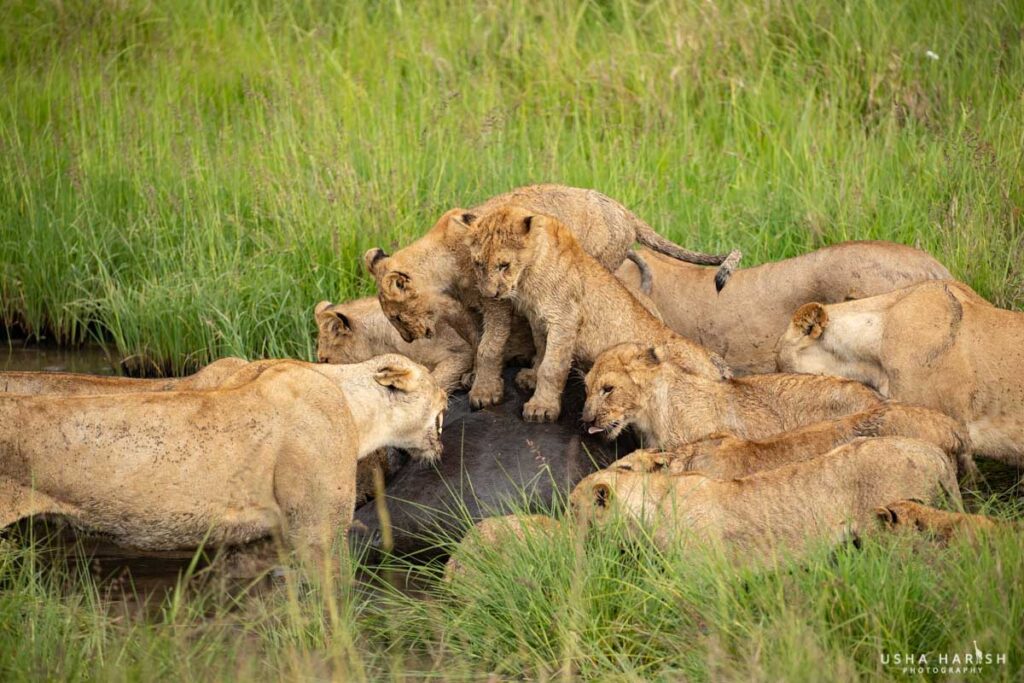
The Mara delivers something most North American wildlife destinations cannot — density. Lions, cheetahs, leopards, elephants, and buffalo sharing open savannah with no tree line blocking your frame. Predators are not an occasional sighting here. They are a daily expectation. Add the wildebeest migration between July and October, and you have the most photographed wildlife event on the planet happening right outside your vehicle window.
For a photographer from the States used to shooting in Yellowstone, the Everglades, or Denali — where a single grizzly sighting makes for a good day — the Mara operates on a completely different scale. You do not wait and hope. You read the landscape with your guide, position the vehicle, and the wildlife arrives. That shift in dynamic changes the way you shoot within the first morning.
A well-structured kenya wildlife photography safari from North America also fits more cleanly into a two-week vacation than most people expect. Fly in, spend seven to ten days in the Mara, fly home. No complex multi-country routing required unless you want it. The logistics are simpler than the distance suggests.
Getting Here — Flights, Visas, and What to Sort Before You Land
Getting from the United States to the Masai Mara involves two main legs. Neither is complicated once you understand the route.
The flight
Leg | Route | Duration | Notes |
Leg 1 | American city → Nairobi (JKIA) | 14–17 hours | Kenya Airways operates direct flights from New York JFK. Most other American cities connect via Amsterdam, London, Dubai, or Doha |
Leg 2 | Nairobi Wilson Airport → Mara airstrip | ~1 hour | Daily scheduled flights on small aircraft. Book early — peak season seats fill months ahead |
Leg 3 | Mara airstrip → Camp | 10–20 minutes | Your camp vehicle meets you on arrival. The drive itself is often your first wildlife sighting |
The most important thing to know about the Nairobi connection: Wilson Airport and Jomo Kenyatta International Airport are separate airports on opposite sides of the city. Build at least three hours between your international arrival and your domestic departure — more if you are arriving during peak hours. A Nairobi overnight is worth considering if your international flight lands late.
Before you fly — sort these early:
- Kenya eVisa — apply at evisa.go.ke. American passport holders receive approval within three business days. Apply the moment you confirm your travel dates, not the week before departure
- Yellow fever vaccination — required if transiting through certain countries. Check your specific routing and confirm with your physician
- Travel insurance — confirm it covers wildlife activities and medical evacuation. Remote bush travel is far from the nearest hospital. This is non-negotiable
- Nairobi buffer night — build one night into your itinerary before flying to the Mara. Domestic Mara flights run on small aircraft and weather delays are real. One buffer night protects your first full shoot day
Time zones
Kenya is GMT+3. From the American East Coast, that is seven hours ahead. From the West Coast, ten hours ahead. Most photographers find the adjustment manageable — the 5:30am pre-dawn departure schedule helps reset your body clock faster than you expect.
When to Come — Season by Season for Photographers
Timing your masai mara photography tour from the United States determines everything — the subjects you shoot, the quality of light you work with, and how many other vehicles you share the plains with. Every season in the Mara offers something genuinely worth photographing. Here is the honest breakdown:
Season | Months | What You Photograph | Notes for American Travellers |
Great Migration Peak | July–October | River crossings, predator hunts, massive herds | Aligns with American summer — book four to six months ahead |
Calving Season | January–March | Newborn wildebeest, cheetah mothers, predator activity | American winter escape — fewer crowds, superb predator light |
Green Season | April–June | Lush green landscapes, resident Big Five, dramatic skies | Shoulder rates, near-empty plains, extraordinary landscape photography |
Dry Season | November–December | Clear skies, concentrated wildlife at water sources | Holiday window — families and couples travel well in this period |
July and August are the months most photographers from North America target — and the reason is the wildebeest migration river crossings. A wildebeest migration photo tour built around these two months gives you the single best chance of witnessing and photographing a crossing. Hundreds of thousands of animals surging into crocodile-filled water, driven by instinct and the pressure of the herd behind them. Predators on both banks. The chaos, the survival, the light — it is unlike anything you will photograph anywhere else in the world.
January through March is our quiet recommendation for photographers who have the flexibility. The calving season brings extraordinary predator behaviour — cheetah mothers with cubs, lion prides hunting newborns across open plains, hyenas and jackals working the fringes. The vehicle numbers are dramatically lower than peak season, which means your guide can position the vehicle exactly where you need it without navigating around a crowd of other 4x4s. The light in January is clean and directional — excellent for portrait-style animal photography.
April through June is the green season. Photographers who come during this window often produce their most dramatic landscape work — thunderstorm skies, electric green plains, wildlife silhouetted against extraordinary light conditions. It is the least-travelled window and the most visually surprising. If landscape and environmental photography matters as much to you as animal portraits, seriously consider this season.
The honest answer on timing: if you can only make one trip from the States, go in August. If you have been before and want something different, go in February. If you want the Mara almost entirely to yourself, go in May.
What a Strong Photography Tour Package Actually Includes
Not all masai mara photography tour packages are built for serious photographers. A standard safari package and a photography-specific package are fundamentally different things — and the difference is not always visible in the marketing language. Here is what your package must include if photography is your primary objective:
Private vehicle — non-negotiable
You cannot do serious wildlife photography from a shared vehicle. Shared drives mean group decisions on positioning, timing, and when to move on from a sighting. The person next to you may have had enough of the leopard while you are still working the light. A private vehicle gives you complete control over position, duration, and direction. Every serious photography package starts here.
Custom drive timing built around light — not convenience
Golden hour in the Mara starts before most standard camps serve breakfast. Your masai mara photography tour package needs to allow pre-dawn departures — 5:30am at the latest — and drives that run past the standard return time when conditions demand it. Any operator who tells you drives are fixed at set times is not running a photography-optimised tour.
A guide who thinks like a photographer
There is a significant difference between a guide who spots wildlife and a guide who understands what a photographer needs at a sighting. Positioning the vehicle for the right angle and light direction, anticipating behaviour before it happens, knowing when to hold still and when to reposition — these are skills that come from years of working specifically with photographers, not general safari guests.
Full-day drive option
River crossings during migration do not happen on a timetable. A full day at the river — leaving at dawn, taking a bush picnic lunch, staying through the afternoon — dramatically increases your chances of witnessing a crossing. Any package that only offers half-day drives is not serious about the migration photography experience.
Photography workspace at camp
Between morning and afternoon drives, you need a dedicated space to review, edit, and charge equipment. Look for camps that offer a photography lounge with reliable power, good WiFi for backing up files, and enough quiet to actually do focused editing work.
Park entry fees included
Confirm this before you compare any package quotes. Park entry fees are a significant daily cost in the Masai Mara. At Mara Siligi Camp, they are included in every package. Many other operators leave them out of the headline rate. Always ask for the full per-person, per-day cost before making any comparison.
Mara Siligi Camp — Why Location Decides Everything
For a photographer flying from the United States, the location of your base camp is as important as any piece of gear in your bag. Every minute spent in transit to the wildlife zones is a minute not shooting. Mara Siligi Camp sits at the foothills of Oldonyo Loip Hill — ten minutes from Mpuaai Gate and fifteen minutes from Talek Gate. You are inside active wildlife corridors within minutes of leaving camp every single morning.
What that proximity means in practice:
- You reach prime shooting locations before the light shifts — no hour-long transfer burning your golden hour
- When a crossing or predator hunt is reported, you respond immediately — private vehicle, direct route, no delay
- Your guide works this specific terrain every day — every ridge line, river bend, and the exact tree where the resident leopard rests between hunts
- You return to camp faster between drives — which means more time editing, more time resting, and a better second drive
Every masai mara photography tour packages option at Mara Siligi is built around what photographers actually need on the ground:
- Private vehicle on every package — your vehicle, your guide, your schedule
- Pre-dawn departures as standard — not an upgrade, not a special request
- Dedicated photography lounge with charging points and WiFi
- Full-day drive option built into every package
- Park entry fees included — no surprise additions at checkout
- Guide briefings before each drive — your guide reviews overnight sightings and discusses the day’s photographic priorities with you before you leave camp
American photographers specifically ask about the editing setup between drives. At Mara Siligi Camp, the photo workspace gives you reliable power for charging batteries and cards, strong enough WiFi to back up files to cloud storage, and a comfortable working environment in a quiet part of camp away from the main lounge traffic.
Gear Guide for Photographers Flying from North America
Flying from the United States means managing airline weight allowances carefully — especially if you are connecting through international carriers with different checked baggage policies. Here is what experienced wildlife photographers bring, and what you can leave behind.
Bring:
- Telephoto lens — 400mm to 600mm — this is your primary lens for the Mara. Big cats, migration subjects, and birds all require serious reach. A 500mm f/4, a 100–500mm zoom, or a 200–600mm zoom cover the full range of situations you will encounter
- Wide angle — 24–70mm — for landscape work, environmental animal portraits, and camp scenes at dawn and dusk. The green season and calving season in particular reward wide-angle thinking
- Bean bag — more useful than any tripod in a moving vehicle. Most photography-focused camps provide them, but confirm in advance. Bring your own if you have a preferred size and fill
- Two camera bodies — sensor cleaning in the field is impractical. Two bodies with different lenses means you never miss a shot swapping glass at a critical moment
- Extra batteries and memory cards — more than you think you need — the Mara generates long shoot days. Bring enough for two full days of shooting without any charging opportunity, then double it
- Dust and moisture protection — the Mara generates significant dust during dry and peak seasons. Bring lens cloths, a rocket blower, sealed bags for storage, and a rain cover for your body even if rain is not forecast
Leave behind:
- Heavy tripod — impractical in a vehicle, unnecessary with a well-placed bean bag and proper technique
- More than two primary lenses — you will use your telephoto for 80% of the trip. Weight and airline restrictions make overpacking lenses a genuine liability
- Bulky laptop — a tablet with a card reader and cloud storage handles field editing adequately for most photographers. Bring your laptop only if post-processing is a daily priority
A note on sensor cleaning: Dust in the Mara is real and persistent. Many photographers bring a sensor cleaning kit and clean bodies each evening. If you are not comfortable cleaning your own sensor, discuss this with your camp before arrival.
What a Full Shoot Day Looks Like at Mara Siligi
Understanding the rhythm of a kenya wildlife photography safari day at Mara Siligi helps you prepare physically and creatively before you land.
5:00am — Wake call. Tea, coffee, and light snacks ready at camp. Your guide gives you a morning briefing — overnight sightings, weather, and where you are heading first
5:30am — Depart for the reserve. The drive to the gate in pre-dawn light is often productive in itself — nocturnal animals, early bird activity, and the landscape before the day begins
6:00–10:30am — Prime shooting window. Golden hour light, active predators, migration herds moving across the plains. This four-hour session produces the majority of your best frames across the entire trip
10:30am — Return to camp. Full breakfast served. Equipment goes to the photo lounge for charging and review
11:00am–3:30pm — Editing session, rest, guide debrief. Midday light in the Mara is harsh and flat — experienced photographers use this window productively rather than fighting poor conditions. Your guide reviews the morning’s work with you and discusses afternoon positioning
4:00pm — Afternoon drive departs. The light softens from around 4:30pm. Animal behaviour shifts — predators become active again, herds settle at water sources, birds return to roost. Different from the morning but equally photogenic
6:30–7:00pm — Return to camp as last light fades. Dinner, image review, tomorrow’s drive planned around today’s sightings and your guide’s read of where to be at first light
This structure repeats across your stay — and it works. Six days on this rhythm gives you twelve serious shooting sessions, a clear progression in your understanding of the landscape, and enough material for a comprehensive body of work from a single trip.
Common Questions from American Photographers Before They Book
How many days do I actually need?
A minimum of four nights gives you eight shooting sessions — enough for a solid body of work and a real chance at the key subjects. Six nights is the sweet spot for photographers who want unhurried time at sightings and the opportunity to revisit locations across different light conditions. We do not recommend fewer than three nights for photography-focused guests.
Can I drink the water at camp?
Bottled and filtered drinking water is available throughout your stay at Mara Siligi Camp. Do not drink tap water. Bring an empty reusable bottle and refill from the filtered supply at camp.
What is the best way to back up images in the field?
WiFi at camp is sufficient for cloud backup on most evenings. Bring two sets of memory cards and rotate them — one set always backed up, one in use. A portable SSD for a local backup alongside cloud storage is the standard practice among photographers who visit the Mara regularly.
Is the masai mara photography tour suitable for beginners?
Yes — with the right guide. The Mara rewards patience and positioning more than technical mastery. If you can operate your camera in manual mode and understand basic exposure, your guide handles the rest. Some of the strongest images from Mara Siligi guests have come from photographers on their first-ever wildlife shoot.
Do I need any specific vaccinations beyond yellow fever?
Consult your physician or a travel medicine clinic well before departure. Standard recommendations for Kenya include hepatitis A and B, typhoid, and malaria prophylaxis. Your physician will advise based on your specific health history and routing.
Start Planning Your Tour Today
When you contact Mara Siligi Camp about a masai mara photography tour, here is what happens:
- We respond within 24 hours with availability for your dates
- We ask about your photography experience, equipment, and what subjects matter most to you
- We send a full package breakdown — accommodation, meals, drives, park entry fees, and any add-ons you have asked about — before any deposit is requested
- We confirm your guide and discuss drive scheduling in detail before you commit
- We stay in contact through to your arrival — answering gear questions, visa queries, and anything else that comes up in the lead-up to your trip
A wildebeest migration photo tour for July and August 2026 is filling now. American photographers booking for peak season typically enquire four to six months ahead. If your dates fall in that window, the conversation needs to start today.
FAQs
Yes. We design our photography tours around photographers, with private vehicles, photography-focused guides, flexible drive timings, and dedicated editing facilities at camp.
Our packages include accommodation, meals, park entry fees, guided game drives, and photography support. We provide a full written breakdown before you book.
Simply contact us with your preferred travel dates and photography interests. We will recommend the best package, check availability, and send a personalised quote within 24 hours.