Solo Masai Mara Photography Tour
Most photographers who book a group Masai Mara photography tour come back with good images.
The ones who book solo come back with their best images.
That gap is not about talent. It is not about equipment. It is almost entirely about one thing: decision-making speed. In wildlife photography, the difference between the shot and the near-miss is often measured in seconds. A solo photographer with a dedicated guide who already knows their style, their focal length, and their preferred shooting angle operates at a completely different speed than a vehicle balancing the preferences of four different people simultaneously.
This post explains exactly why solo works better — and what a solo Masai Mara photography tour with Usha at Mara Siligi Camp actually looks like in practice.
Table of Contents
- Why Solo Works Better on a Masai Mara Photography Tour
- Why Group Vehicles Limit Your Shots
- What a Dedicated Vehicle Changes in Practice
- Private Photographic Safaris: How Usha Guides Solo Photographers
- Camera Gear, Space, and Flexibility: The Benefits of a Solo Safari Vehicle
- Is Solo Right for You? Book Your Session at Mara Siligi
Why Solo Works Better on a Masai Mara Photography Tour
Why Group Vehicles Limit Your Shots
Here is something most masai mara photography tour packages will not tell you upfront: a group photography tour is, by design, a compromise vehicle.
It has to be. When four photographers share a vehicle, every positioning decision is a negotiation. The guide picks a spot that gives everyone a reasonable angle — which usually means no one gets the perfect angle. The vehicle cannot simultaneously face the lion for the shooter on the left and position for the morning light for the shooter on the right. Someone always loses.
For solo shooters, the group dynamic creates specific problems that go beyond vehicle positioning:
- Your focal length is not the group’s focal length. You are shooting at 600mm. Two others are at 100–400mm. The distance that gives you a frame-filling subject puts the others too close for safety or too far for their lens. The guide splits the difference — and your shot suffers for it.
- Your keeper rate is not the group’s decision. In a group vehicle, when most people have their shot, the vehicle moves. If you needed three more minutes to work the light change, those three minutes do not happen.
- Your style of shooting is not the group’s style. Some photographers work fast and reactive. Others wait for a specific behaviour, a particular head angle, a moment when the predator’s eyes catch the light. A group vehicle cannot hold position for one person’s artistic preference while four others wait.
- Your pace is not the group’s pace. If you want to spend forty-five minutes at a single cheetah sighting working every angle and every variation — you cannot. The group decides when to leave, not you.
A solo Masai Mara photography tour removes every one of those constraints simultaneously.
What a Dedicated Vehicle on a Masai Mara Photography Tour Means in Practice
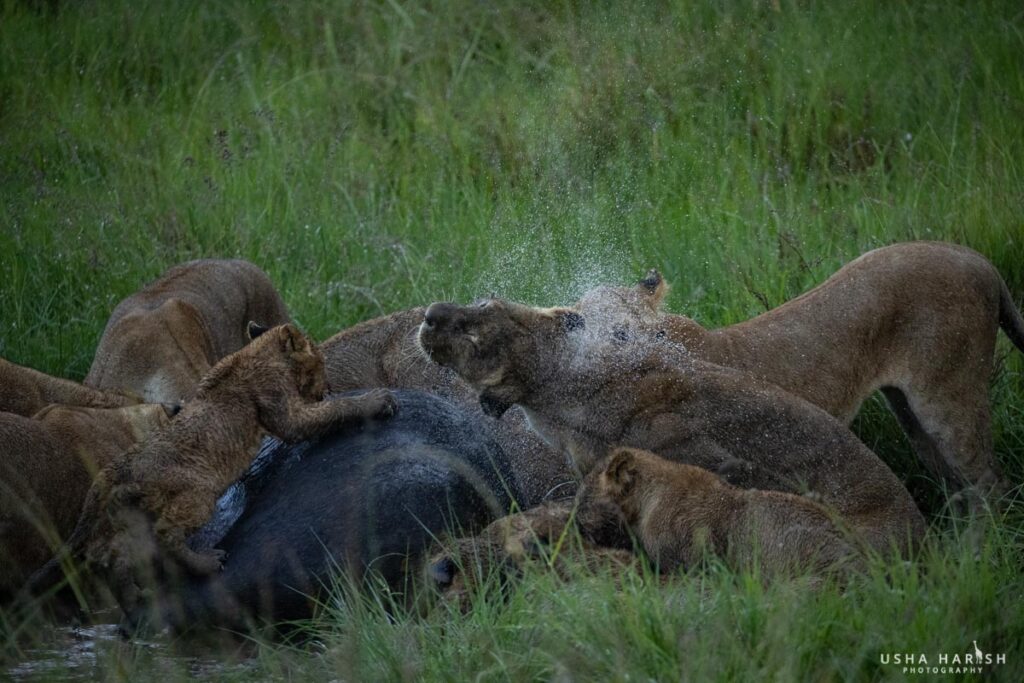
When you book a solo photography session at Mara Siligi Camp, you have the entire vehicle. Not as a preference — as a guarantee. Here is what that changes in the field.
Departure Time Is Your Departure Time
A group vehicle leaves when the last person is ready. A solo vehicle leaves when you are ready — which at Mara Siligi means 05:30 at first light, every time, without negotiation. On a clear morning, those first fifteen minutes of drive time put you at your first location as the horizon turns from black to deep orange. That light does not come back.
Position Is Your Position
When Usha spots a subject and pulls the vehicle to a stop, the position he chooses is based entirely on your lens, your preferred angle, and the light direction at that specific moment. There is no one else to account for. If the position needs adjusting — and in wildlife photography, it almost always does — he adjusts it for you, not for an average.
You Stay Until You Are Done
This is the one that solo photographers consistently describe as the biggest shift. When you have a strong sighting and the session is working, you stay. Not until the group gets restless. Not until someone else decides they are satisfied. Until you have the sequence, the moment, the frame you came for.
At Mara Siligi Camp, a solo session has no fixed endpoint during the golden window. You and Usha decide together when to move on.
Private Photographic Safaris: How Usha Guides Solo Photographers
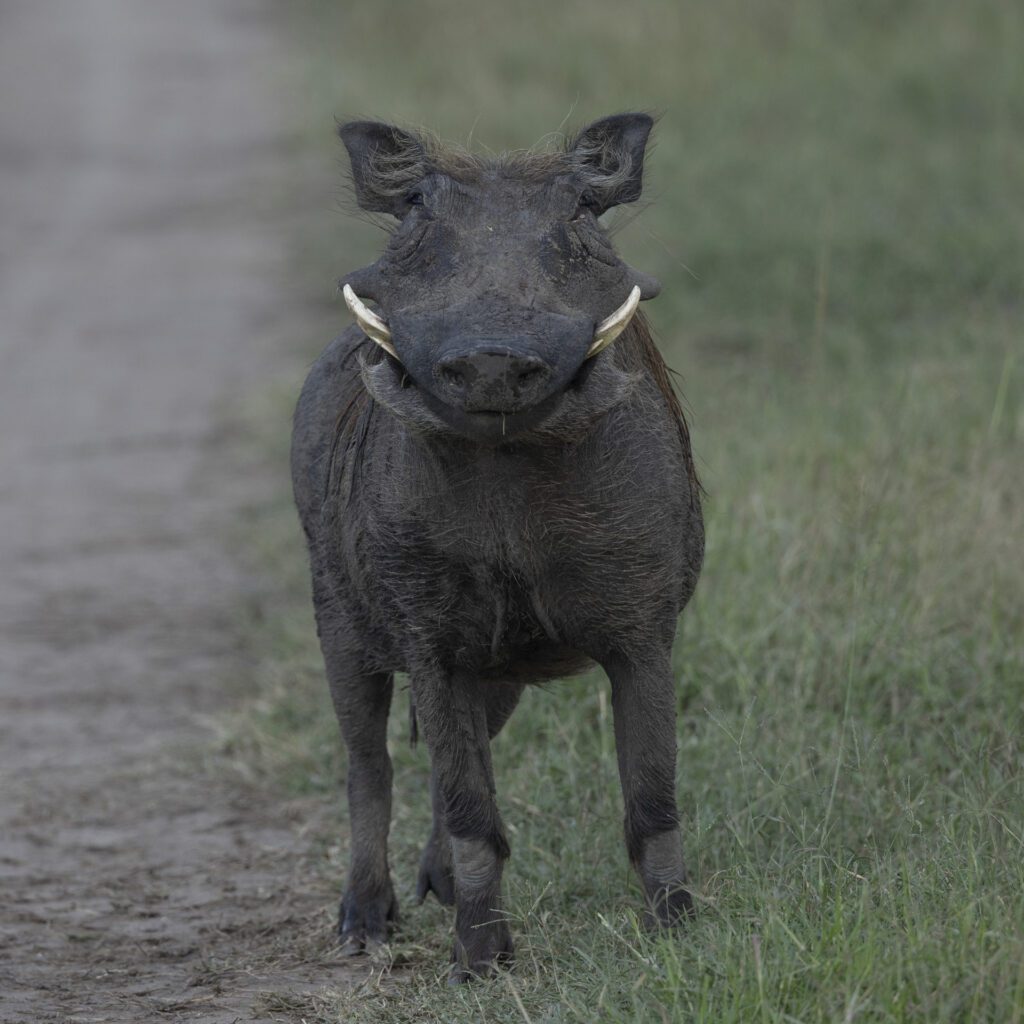
Usha is Mara Siligi’s lead photography guide. He has spent years working alongside photographers of every experience level — from first-time wildlife shooters to working professionals on assignment. His ability to read a photographer’s shooting style within the first twenty minutes of a session is the foundation of every solo tour we offer.
The First Drive Is a Calibration
On your first morning out, Usha pays attention before he gives advice. He watches how you frame, how long you hold position before firing, whether you shoot in bursts or singles, what you reach for when the subject moves. By the time you return to camp for breakfast, he understands how you work — and every subsequent drive is shaped by that understanding.
Specific Adaptations Usha Makes for Solo Photographers
- Focal length positioning — Usha positions the vehicle for your specific lens, not a compromise distance. If you change lenses mid-session, he repositions.
- Behavioural anticipation — once Usha knows whether you are hunting action or waiting for stillness, he times his radio communication and vehicle movement to match. He will tell you when to raise the camera before the moment arrives, not as it is happening.
- Light reading — if you shoot primarily in the first and last hours of light, Usha structures the drive to be at the best locations during those windows. If you shoot more documentary-style through the mid-morning, the drive reflects that too.
- Silence when it matters — experienced photographers sometimes just need quiet focus time at a strong sighting. Usha reads that. Guidance and conversation happen between moments, not during them.
This level of individual adaptation is simply not possible in a group Masai Mara photography tour. It requires one guide, one photographer, and enough time together to build genuine working shorthand.
What Solo Photographers Say After Their First Private Mara Session
We hear versions of the same thing consistently from solo photographers after their first session with Usha:
“I did not realise how much time I had been losing in group vehicles until I did not have to lose it anymore.”
“He knew when I needed to shoot and when to wait. I have never had a guide read the situation that fast.”
“I came back with more usable frames from three days than I did from two weeks on my last group tour.”
The common thread is not the wildlife — the wildlife in the Mara is extraordinary for everyone. It is the working relationship. A dedicated guide who has spent a full morning with you, watching you work, knows more about how to help you than any guide briefed generically across a group can manage.
Camera Gear, Space, and Flexibility: The Benefits of a Solo Safari Vehicle
A solo photographer in an open 4×4 with four available seats has something that is genuinely undervalued: space to operate. On a serious wildlife shoot, that space quickly becomes the difference between reacting calmly to behaviour and scrambling to keep up with it.
In a group vehicle, your second body stays in the bag. Your large prime sits on your lap in an awkward compromise position. Your filters, cards, and spare batteries are buried under someone else’s bag. You change lenses in a cramped eighteen inches of shoulder room, hoping not to drop anything.
In a solo vehicle at Mara Siligi Camp, your setup looks different:
- Primary body on bean bag, door-mounted, ready at all times
- Second body with a different focal length on the adjacent seat — switchable in seconds without repositioning
- Filter wallet, cards, and batteries on the seat beside you, not buried in a bag at your feet
- Rain cover and dust cloth immediately accessible on the seat in front
- Monopod or second bean bag available on the rear seat for elevated shots through the roof hatch
This sounds like a minor logistical comfort. In practice, it eliminates the three to eight seconds of fumbling that costs you the frame when the behaviour changes without warning.
For photographers booking a solo Masai Mara photography tour, that operational freedom becomes one of the biggest advantages of travelling alone. You can move around the vehicle freely, react instantly to changing angles, and keep multiple setups ready without constantly negotiating space with other guests.
Over the course of a full safari, those small efficiencies compound into more usable images, less stress in the field, and a far smoother shooting experience overall.
Is Solo Right for You? Book Your Session at Mara Siligi
Usha gives every prospective solo guest the same honest assessment before they book.
Solo Works Best For You If:
- You have a specific shot, species, or sequence you are determined to achieve — and you want every decision on the vehicle pointed at that goal
- You shoot at a pace — fast or slow — that does not match the average group
- You are working on a portfolio, an assignment, or a personal project where output quality matters more than social experience
- You have shot in group vehicles before and found yourself waiting, compromising, or arriving two minutes after the crossing was over
- You travel alone and want a safari experience that feels purposeful and active rather than passive
Solo Is Probably Not the Right Format If:
- You are a beginner who would benefit from watching and learning alongside other photographers before shooting independently
- The social experience of a shared vehicle — swapping techniques, comparing images at camp, the camaraderie of a group spotting together — is something you genuinely value
- You would prefer to start with our small-group masai mara photography tour option, capped at 4 photographers per vehicle
Usha will tell you which format suits your goals before you commit. That conversation is part of how we work at Mara Siligi Camp — we would rather place you in the right format than take a booking that does not fit.
Book Your Solo Session
If you are ready to stop compromising on vehicle position, drive timing, and how long you stay at a sighting — a solo masai mara photography tour at Mara Siligi is the practical next step.
When you contact us, tell us:
- Your target dates and how many shooting days you want
- What you most want to photograph — migration crossings, predators, birdlife, portraits
- Your current equipment — so Usha can start thinking about positioning and approach before you arrive
- Whether you have shot in the Mara before, and what you felt was missing from previous sessions
We will come back to you with availability and a genuine recommendation on drive duration and timing based on what you want to achieve.
FAQs
Yes — a private vehicle is significantly more effective for wildlife photography than a shared one. With a dedicated vehicle you control departure time, vehicle positioning, how long you stay at a sighting, and how your gear is set up across the seats. In a shared vehicle every positioning decision is a compromise between different focal lengths, shooting styles, and patience levels. For photographers with specific subjects, sequences, or portfolio goals, a private vehicle consistently produces a higher keeper rate and more compositionally intentional images than group alternatives.
A private photography guide positions the vehicle for your specific lens and preferred angle rather than a compromise distance for a group. They anticipate animal behaviour and tell you when to raise your camera before the moment arrives. They read whether you need silence or guidance at a sighting and adapt accordingly. On the first drive, a skilled guide like Usha at Mara Siligi observes how you frame, how long you hold before firing, and whether you shoot in bursts or singles — and every subsequent drive is shaped by that understanding.
A solo photography safari gives you four key advantages over group tours: your departure time is fixed around first light without waiting for others; vehicle positioning is based entirely on your lens and angle; you stay at a sighting until you have the sequence you came for; and your full gear setup — two bodies, multiple lenses, filters, and spare cards — can be spread across the vehicle and accessed in seconds. These advantages compound over a full safari into significantly more usable images and a calmer, more focused shooting experience.