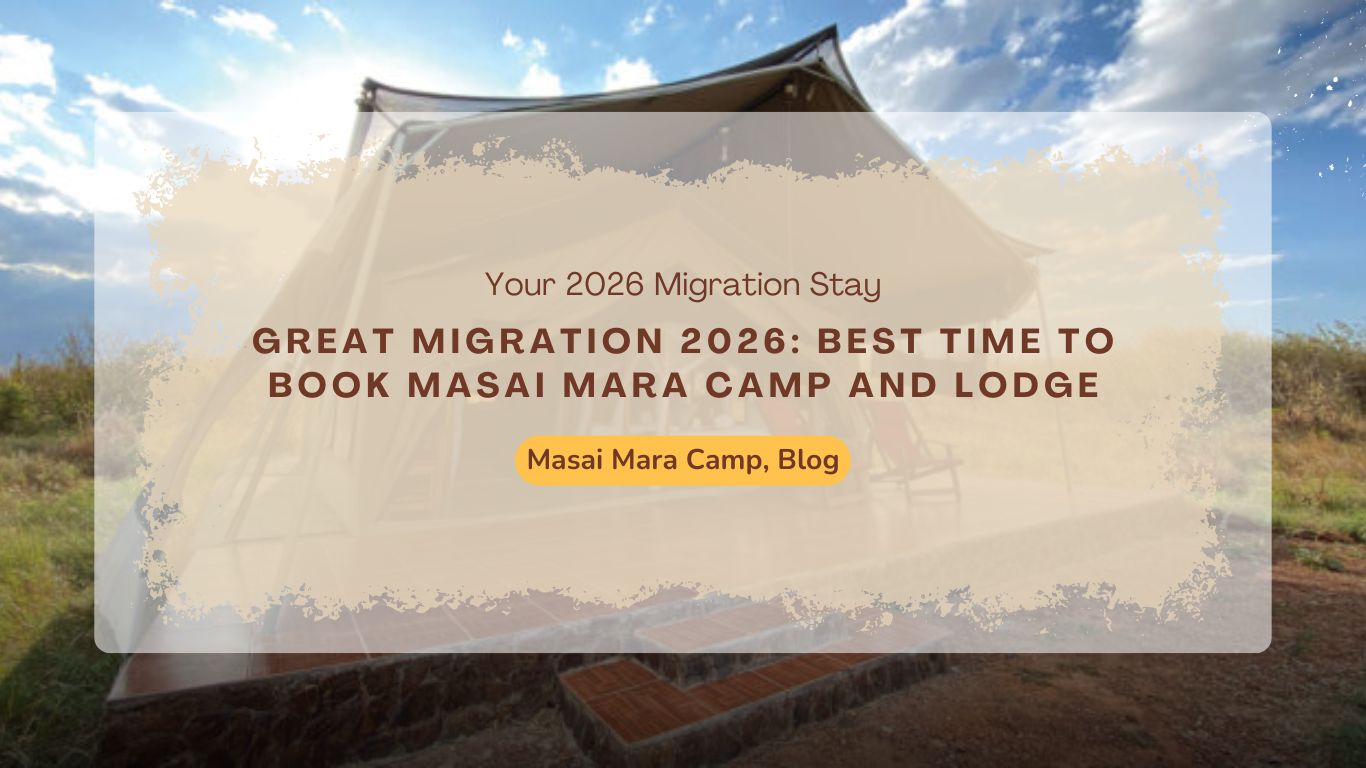
Best Time to Book Masai Mara Camp and Lodge
If you are planning a Great Migration safari in 2026, this is the one piece of advice that matters most: book now.
Every year, guests reach out in April or May hoping to secure peak migration windows, only to find that the most sought-after Masai Mara camp and lodges are already full.
At Mara Siligi Camp, a mid range tented camp in Masai Mara positioned near both Mpuaai and Talek gates, we know exactly how quickly migration season books up — and we want to give you an honest picture before you miss your window.
Why Migration Season Fills Faster Than Any Other Time of Year
The Great Migration is one of the most documented natural events on the planet. That visibility drives global demand into a very narrow window — roughly mid-July through early October. You are not competing with a handful of travellers. You are up against safari enthusiasts from across the UK, Europe, the US, India, and Australia, all targeting the same six to ten weeks.
Masai Mara safari accommodations that sit close to the Mara River — the crossing point — sell out earliest. A safari resort near Talek or near the main gate corridors does not have the same availability problem as a lodge on the periphery. Location matters, and that brings us to the first thing you need to understand.
Table of Contents:
- The 2026 Migration — What to Expect and When
- Month by Month: What the Migration Looks Like From Our Camp
- Why Camp Location Determines What You See in Migration Season
- Why Mara Siligi Camp — What Makes Us Different
- When to Book — The Honest Urgency We Always Share
- Is the Migration Worth the Peak Season Premium?
- Your 2026 Migration Stay at Mara Siligi — How to Prepare and How to Book
The 2026 Migration — What to Expect and When
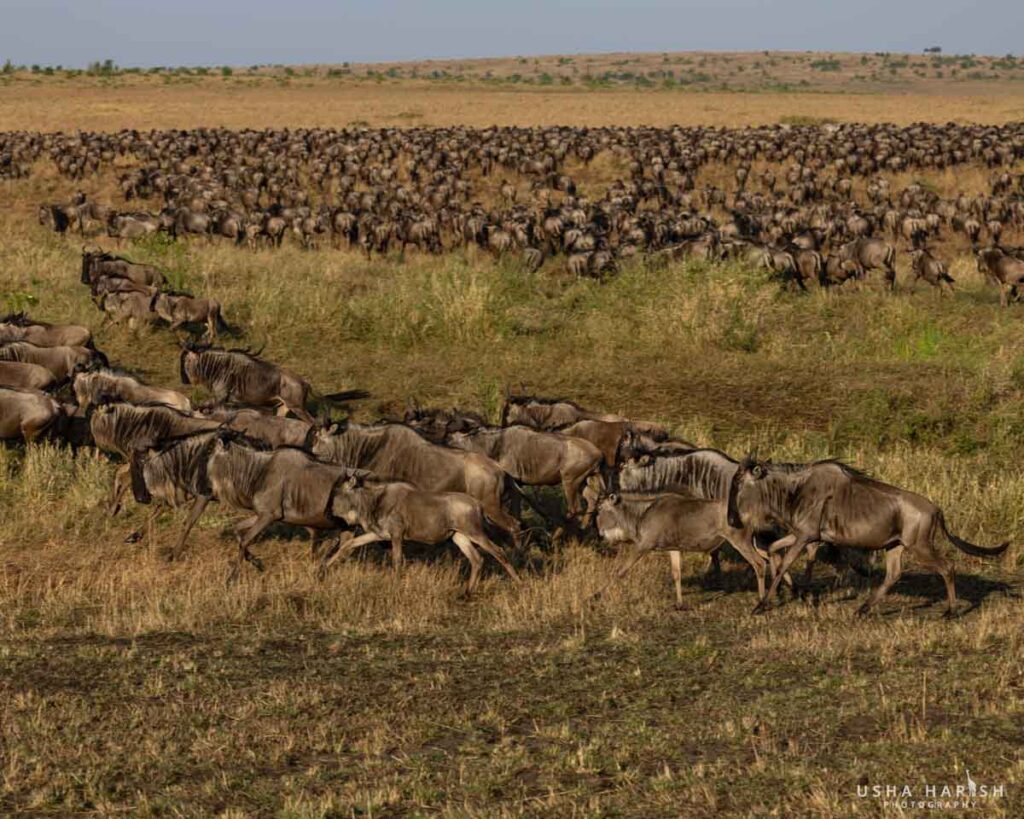
The Great Migration follows a broadly predictable annual pattern. Around 1.5 million wildebeest, accompanied by zebras and gazelles, move in a clockwise loop through the Serengeti-Mara ecosystem. The Kenya leg — the part that brings them into the Masai Mara — is what most travellers plan their entire trip around.
What makes the migration so extraordinary is not just the scale of the herds, but the unpredictability of the movement itself. River crossings can happen suddenly, predator encounters unfold in real time, and no two game drives ever feel the same. Weather patterns, grazing conditions, and herd pressure all influence where the animals move and when crossings occur.
For travellers researching the best time to visit masai mara in 2026, understanding the seasonal rhythm of the migration helps set realistic expectations — and helps you choose the right travel window based on the kind of experience you want most.
Forecast: Herds Entering the Mara From Mid-July 2026
By mid-July, the leading herds typically begin crossing from Tanzania into Kenya. You start to see the first Mara River crossings, which is when the dramatic scenes you have seen in wildlife documentaries actually happen. This is also when demand at every quality mid range tented camp in Masai Mara spikes sharply.
July often carries a unique sense of anticipation. Guides spend long mornings tracking fresh herd movement, while guests may witness the first major crossing activity of the season. Wildlife density builds rapidly during this period, and predator movement increases as lions, crocodiles, hyenas, and cheetahs begin following the herds more aggressively.
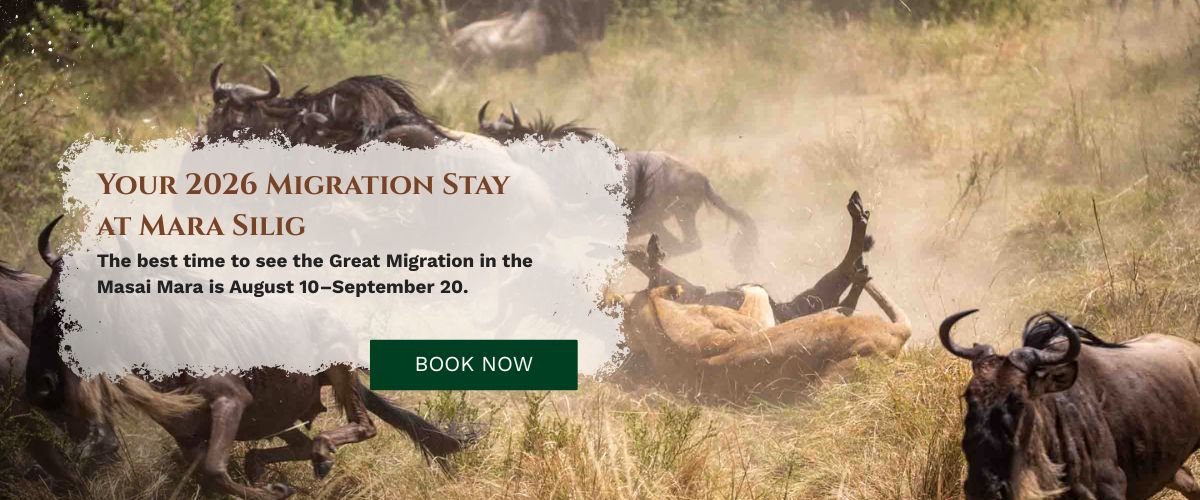
Peak River Crossing Window: August 10 – September 20
This is the heart of the migration. Crossings happen frequently — sometimes multiple times a day. The river is fuller, the herds are dense, and the predator activity is at its highest. If you want the best statistical chance of witnessing a crossing, this is your window.
August and early September are also when the Mara feels most alive. Large herds stretch across the plains, vehicles gather near active crossing points before sunrise, and guides stay in constant radio communication to follow movement patterns. For photographers and first-time safari travellers alike, this period delivers the most dramatic and visually intense migration experiences.
October: Late-Season Herds, Fewer Vehicles, Still Spectacular
By early October, the herds begin moving south again. Crossings become less frequent, but the Mara is far from empty. You get genuine wildlife density, fewer vehicles at sighting points, and — often — lower rates. For the right traveller, October is a hidden gem.
Many experienced safari-goers actually prefer this quieter phase of the season. The pace feels less rushed, sightings are often more intimate, and game drives can unfold without the congestion sometimes associated with peak August crossings. The landscapes remain lush, predator sightings stay strong, and the softer light conditions make October especially rewarding for photography and slower-paced safari experiences.
Choosing the right masai mara safari accommodation is as important as choosing your travel dates — the two decisions are closely connected.
Month by Month: What the Migration Looks Like From Our Camp
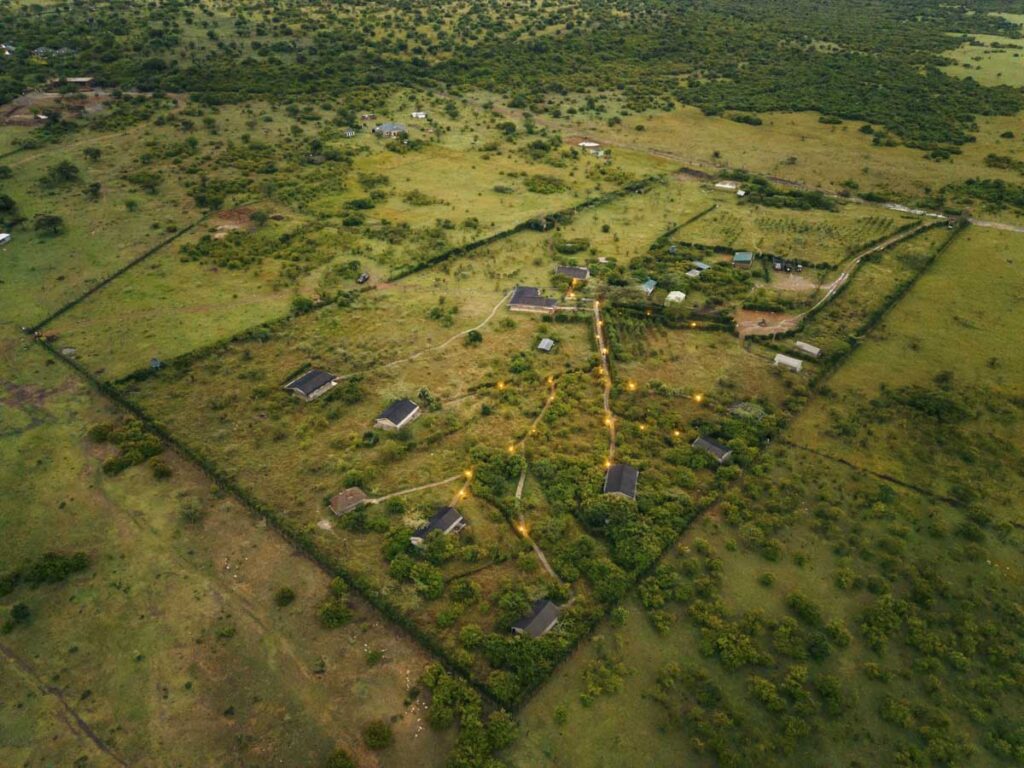
Here is what our guides and camp team actually observe each year, from June through October. If you are researching which masai mara camp is best positioned for migration access, this breakdown will help you understand what each month actually delivers on the ground. While migration patterns shift slightly depending on rainfall and grazing conditions, these are the broad rhythms we see season after season from our position near the key Masai Mara migration corridors.
June: Herds Building, the Mara Before the Crowds Arrive
The main herds have not arrived yet, but the Mara ecosystem is alive. Resident wildlife is excellent — lions, elephants, cheetahs, and large buffalo herds are all active. Rates are lower, and you have the bush largely to yourself. If your budget is a priority, June gives you quality without peak-season pricing.
June also offers a quieter, more intimate safari atmosphere. Game drives feel unhurried, sightings are less crowded, and photographers often appreciate the softer landscapes before the peak-season vehicle traffic begins. For many guests, this is when the Mara still feels raw and untouched.
July: First Crossings, High Energy, High Demand
The energy shifts noticeably in July. Your guides will radio each other at dawn tracking herd movements. The first crossings of the season carry an electricity that even experienced safari-goers describe as overwhelming. This is also when accommodation fills fastest — especially for guests who want a mid range safari resort near Talek with proximity to the river.
July is often defined by anticipation. Some mornings begin quietly and suddenly erupt into crossing activity as herds gather at the riverbanks. Predator sightings intensify during this period as lions and crocodiles position themselves near active migration routes.
August: Peak Frequency — What Our Guides Say About This Month
Our senior guides consistently describe August as the month that delivers the most crossings, the most predator action, and the most extraordinary photographic conditions. It is also our most expensive and most fully booked period. If August matters to you, the conversation needs to happen today.
This is the month when the Mara feels completely immersed in migration movement. Large herds dominate the plains, riverbanks stay active throughout the day, and guides often adjust routes dynamically based on fresh crossing reports coming through over the radio network. For many travellers, August is the classic Great Migration experience they have imagined for years.
September: Consistent Crossings, the Season Beginning to Ease
Crossings continue with regularity. By mid-September, the frenzy of August softens slightly, and some camps begin to free up. It is still peak migration, still spectacular — but slightly more manageable from a booking perspective if you have the flexibility to shift from August.
September often strikes a balance that many repeat safari guests appreciate. Wildlife activity remains incredibly strong, but the atmosphere can feel calmer and more relaxed compared to the peak rush of August. The weather is also particularly comfortable for long game drives and full-day safari experiences.
October: Late Herds, Quieter Mornings, Excellent Value
The crossings slow. The herds start their return south. But the resident wildlife remains extraordinary, and the mornings — cool, quiet, with golden light — are some of the most memorable our guests report. If you prefer fewer vehicles and a more contemplative pace, October is genuinely worth considering.
October also brings a different rhythm to the Mara. Instead of chasing constant crossing activity, game drives become more about immersive wildlife viewing, beautiful landscapes, and uninterrupted time in the bush. For travellers who value space, slower mornings, and strong overall safari quality without peak-season pressure, it can be one of the most rewarding months of the year.
Why Camp Location Determines What You See in Migration Season
Not all masai mara camp and lodge are positioned equally when it comes to migration access. The Mara River crossing points are concentrated in specific corridors — and your proximity to those corridors directly affects what you witness from camp.
During migration season, time matters more than most first-time safari travellers expect. A camp strategically positioned near active migration routes gives guides the ability to respond quickly to herd movement, changing crossing conditions, and fresh sightings coming through the guide network. In practical terms, that can mean the difference between arriving in time for a major crossing or hearing about it after it has already happened.
The northern and central sections of the Mara River tend to see crossing action earliest. Camps within driving distance of multiple crossing points give your guide the flexibility to follow the herds rather than wait for them to come to you — a distinction that matters most during peak migration weeks when herd movement can shift dramatically overnight.
Where Mara Siligi Camp Sits — and Why It Matters
Mara Siligi Camp sits near Mpuaai and Talek Gates, one of the most productive corridors in the central Mara ecosystem. Your game drives access prime migration territory within minutes of leaving camp — not after a 45-minute transit. When a crossing is reported, your guide reaches it efficiently. In migration season, early arrival at a crossing point is everything.
Being close to these access points also allows our guides to cover multiple wildlife zones within a single drive. More of your morning is spent where the action is happening, not on the road to it.
What Guests Who Stayed Further Away Told Us
We hear this every year from guests who stayed at lodges on the Mara periphery: they heard crossings were happening but could not reach them in time, or they spent a critical hour in transit during the golden morning window.
A herd can gather at the riverbank for hours and then cross in under five minutes. Camps located far from the main migration corridors simply have less margin for those timing shifts — which is why experienced safari planners treat location as a practical decision, not a preference.
Why Mara Siligi Camp — What Makes Us Different From Other Camps in the Mara
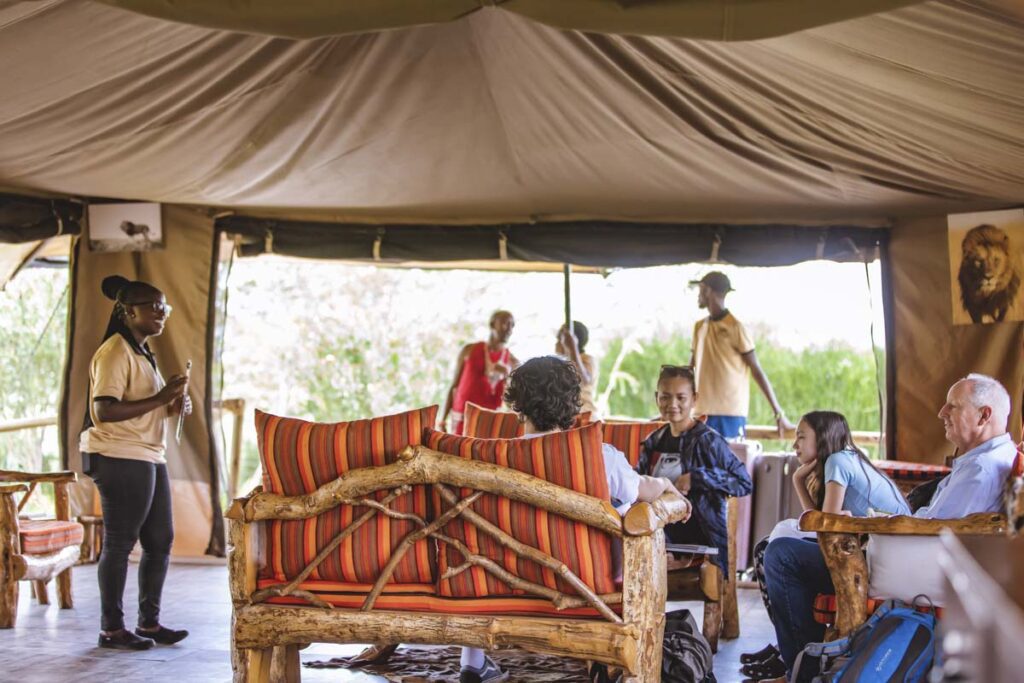
There are dozens of masai mara safari accommodations in the ecosystem. Most of them will get you close to the wildlife. What separates Mara Siligi Camp is not any single feature — it is the combination of location, team experience, and the way we run every aspect of a guest’s stay.
What We Have Built Over the Years
We has been hosting guests across migration season and resident wildlife months for years. In that time, our guides have tracked thousands of game drives, witnessed hundreds of river crossings, and developed a ground-level understanding of the Mara ecosystem that no map or briefing can replicate. When a crossing is about to happen, our team knows the signs — and they move fast.
Our camp sits near Mpuaai and Talek Gates, which puts us in one of the most strategically positioned corridors in the central Mara. Guests at Mara Siligi Camp spend more time in prime wildlife territory and less time in transit than guests at camps further from the main migration routes.
What Our Guests Consistently Tell Us
We hear versions of the same feedback season after season — and we share it not to promote ourselves, but because it reflects what we have built deliberately:
“Our guide had us at the river before any other vehicle arrived. We had the crossing almost entirely to ourselves for the first ten minutes.”
“The camp is small enough that the team actually knows you by name from day one. It changes the whole feeling of the stay.”
“I had done two safaris before this one. Mara Siligi was the first time I felt like the experience was genuinely designed around what I wanted to see, not just what was convenient.”
The pattern across these responses is the same: personalised attention, guide expertise, and location advantage. These are not accident — they are the result of keeping the camp small, investing in our guide team, and refusing to compromise on how we position game drive vehicles during critical wildlife moments.
When to Book — The Honest Urgency We Always Share
We do not exaggerate scarcity. But we do tell our guests the truth, and the truth is this: the best dates at quality Masai Mara camps and lodges are gone months before the season begins.
Migration season operates very differently from regular safari travel. Demand is concentrated into a relatively short window, and searches for kenya safari camps 2026 have been climbing since late last year — the planning cycle for migration season is longer than most people realise. Once the strongest migration weeks begin filling, availability tends to disappear quickly across the best-positioned camps in the Mara ecosystem.
How Far in Advance Peak August Dates Sell Out From Camps Like Ours
For peak August dates, many Masai Mara Camps — including Mara Siligi Camp— are fully committed by March or April of the same year. This applies across the board — from luxury tented suites to masai mara safari lodges at mid-range price points. The best-positioned options at every level fill on the same timeline.
This is especially true for travellers needing family tents, multiple rooms together, or flexible stay durations around long-haul international travel plans. The earlier guests begin the conversation, the more options they typically have — both in room choice and preferred migration timing.
We also see the highest demand for stays that overlap the August–September river crossing window, particularly for guests wanting four-night or longer itineraries. Those combinations tend to disappear first because they align most closely with the peak migration experience travellers are hoping for.
How to Secure Your Preferred Dates Without Rushing the Decision
We never push guests into decisions they are not ready for. What we do offer is a no-obligation availability check — you tell us your preferred dates and group size, and we tell you exactly what we have. That gives you real information to make your decision, rather than a sales pitch.
In many cases, a small shift of even two or three days can dramatically improve availability or access to better room categories. If we believe an alternative date range would give you a stronger migration experience, we will tell you honestly. Our goal is not simply to fill dates — it is to help guests plan a safari timing that genuinely matches what they want to experience in the Mara.
Is the Migration Worth the Peak Season Premium?
This is a fair question, and it deserves a genuine answer.
What You Are Actually Paying Extra For — and What Does Not Change
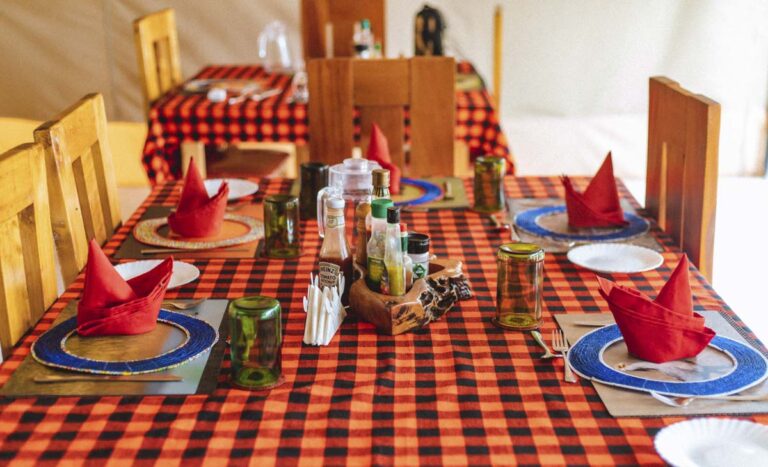
Peak-season rates reflect demand — that is honest. What you get for that premium is access to the single most dramatic wildlife event on earth, during its most active window, at a camp positioned to access it. The food, the service, the tent quality — those do not change with the season. The wildlife intensity does.
What Non-Migration Months Give You Instead — Our Genuine Take
If the migration is not your primary objective, you can have an exceptional Masai Mara safari in November, January, or February at significantly lower rates. Resident wildlife is outstanding year-round. The Mara does not go quiet outside of migration season. For travellers exploring mid range tented camps in masai mara, the shoulder months of June and October often represent the strongest value without compromising on wildlife quality
Our Recommendation by What Kind of Traveller You Are
- You have always wanted to see a river crossing → book August, accept the premium, do not compromise on dates.
- You want excellent wildlife without peak crowds or prices → October or early November.
- You are on a tighter budget but want the migration experience → July is a strong compromise: crossings have started, rates are slightly lower than August.
Your 2026 Migration Stay at Mara Siligi — How to Prepare and How to Book
The best migration experiences come from patience, flexibility, and giving yourself enough time in the Mara. The Great Migration is a natural event, not a staged one — and understanding that rhythm is often what turns a good safari into a genuinely unforgettable one. Here is what our guides consistently tell guests before they arrive, and how to get the process started.
Book a Minimum of 4 Nights
Crossings do not happen on a schedule. A 2-night stay carries a real risk of arriving between movements. Four nights gives you multiple attempts across different times of day and different river sections — and gives your guide enough time to adapt to changing herd behaviour rather than rushing from sighting to sighting.
Some of the most memorable migration moments happen unexpectedly — a late-afternoon crossing, predators tracking herds at sunrise, a sudden build-up at the riverbank after hours of quiet. More nights means more opportunities to experience those moments naturally.
Get on the First Vehicle Out
At Mara Siligi Camp, photography drives leave before first light during migration season. The herds move at dawn, and so do the predators following them. The guests on the earliest drive consistently report the most impactful sightings — cooler air, more active wildlife, and the light conditions that make migration photography genuinely extraordinary.
Learn to Wait at the River
Not every morning delivers a crossing. The Mara River can sit still for hours. Your guide will read the herd behaviour — when animals begin bunching and testing the bank edge, something is coming. The herds hesitate, circle, retreat, and regroup repeatedly before committing. Those pauses are not wasted time. They are part of the drama.
Responsible Viewing — What We Ask of Every Guest
We follow Kenya Wildlife Service guidelines strictly — no off-road driving, no vehicle crowding at crossing points, no noise. We ask this not just because it is required, but because responsible viewing produces better sightings. Herds that are not spooked cross faster, closer, and more completely. The best crossings are always the quietest ones.
How to Reserve Your 2026 Dates
When you reach out, tell us three things:
- Your preferred travel dates and how many nights you are considering
- Your group size — including whether you need family tents or rooms together
- Any specific activities beyond game drives — walking safaris, night drives, cultural visits
What to Tell Us: Dates, Group Size, Any Activities You Want
When you reach out, the three things that help us most are: your preferred travel dates, how many people are in your group, and whether you have any specific activities in mind beyond game drives (walking safaris, night drives, cultural visits). The more context you give us, the more personalised your recommendation will be.
How We Respond and What a Personalised Recommendation Looks Like
We do not send a brochure and a payment link. We have helped plan masai mara safari stays across every budget and travel style — and we know that the right recommendation depends entirely on what kind of experience you are after. We send you a genuine response based on your dates, your group, and what our team is seeing on the ground for 2026. If we think a slight date shift would materially improve your experience, we will tell you that.
Reserve Your 2026 Migration Dates → Contact Us Here
The 2026 migration season is filling now. Whether you are certain of your dates or still working out the details, the best first step is a conversation.
If you are considering July, August, September, or October 2026, we recommend checking availability as early as possible — especially for longer stays and peak crossing windows. Even if you are still comparing options, having accurate availability information makes planning much easier.
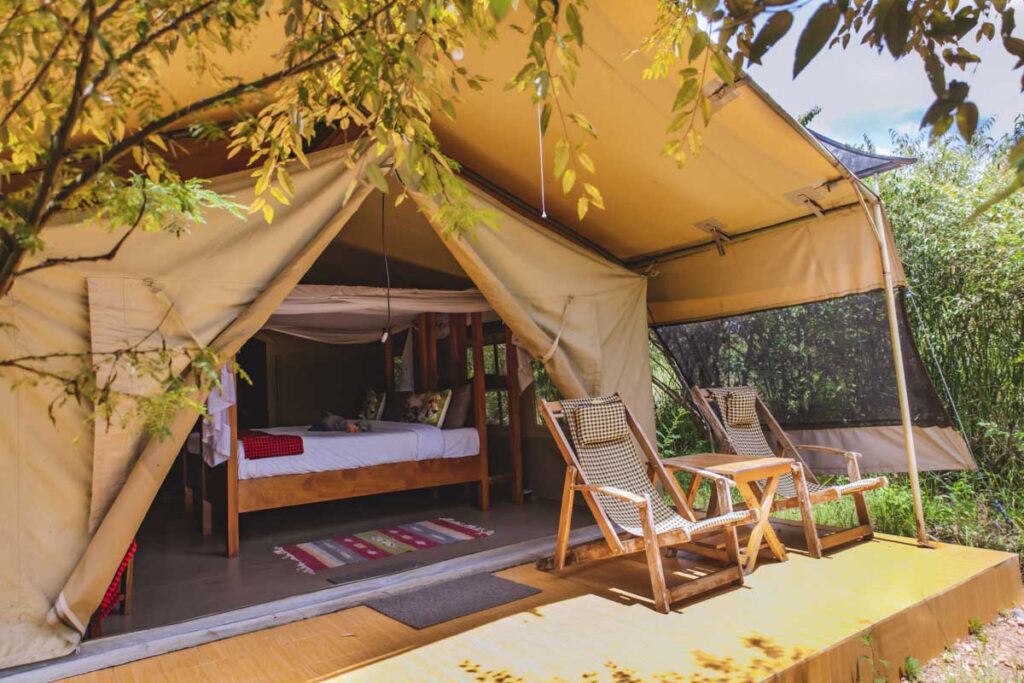
Mara Siligi Camp is a mid range tented camp in the Masai Mara, located near Mpuaai and Talek Gates. We offer guided game drives, walking safaris, and cultural experiences with access to prime migration corridors in the Masai Mara ecosystem.
FAQs
The best time to see the Great Migration in the Masai Mara in 2026 is between August 10 and September 20, when river crossings happen most frequently — sometimes multiple times a day. July marks the start of crossing activity with high energy and slightly lower demand than peak August. October offers late-season herds, fewer vehicles, and a quieter experience. For the best statistical chance of witnessing a Mara River crossing, book August.
For peak migration dates — particularly August — most well-positioned Masai Mara camps are fully booked by March or April of the same year. July and September dates move almost as quickly. If you are planning a Great Migration safari in 2026, booking 6 to 12 months in advance gives you the best choice of camp location, tent type, and stay duration. Waiting until May or June typically means choosing from what is left, not what is best.
Yes — if witnessing a Mara River crossing is your primary goal. The peak season premium reflects concentrated global demand, not a change in camp quality. What changes during migration season is wildlife intensity: river crossings, predator activity following the herds, and the scale of animal movement across the plains. Outside migration season, the Masai Mara offers excellent resident wildlife at significantly lower rates — making non-migration months a genuine alternative for travellers whose priority is wildlife broadly rather than crossings specifically.