You explore the Masai Mara by heading out on guided game drives across open savannah, with a local guide who knows the land, and coming back each evening to a comfortable camp. Most guests spend at least three nights here. Between mid-July and October, you can add the Great Wildebeest Migration to that list.
We live at the foothills of Oldonyo Loip Hill, minutes from Mpuaai (Ol Kiombo) Gate and Talek Gate. We’re not a booking platform or a third-party agent. We’re the camp. This guide tells you what the Mara offers and how to plan your own Masai Mara safari tours with people who call this place home.
Table of Contents:
- What Makes the Masai Mara Special?
- What Wildlife Can You See on Safari?
- What Is a Typical Day on Safari Like?
- When Is a Good Time to Visit the Masai Mara?
- How to Plan Your Masai Mara Safari
- Stay and Experience the Mara at Mara Siligi Camp
What Makes the Masai Mara Special?
The Masai Mara is special because it puts several things in one place: the Great Wildebeest Migration, high Big Five densities, open savannah views, and the Masai people who have called this land home for generations. You also get night skies with almost no light pollution.
The migration
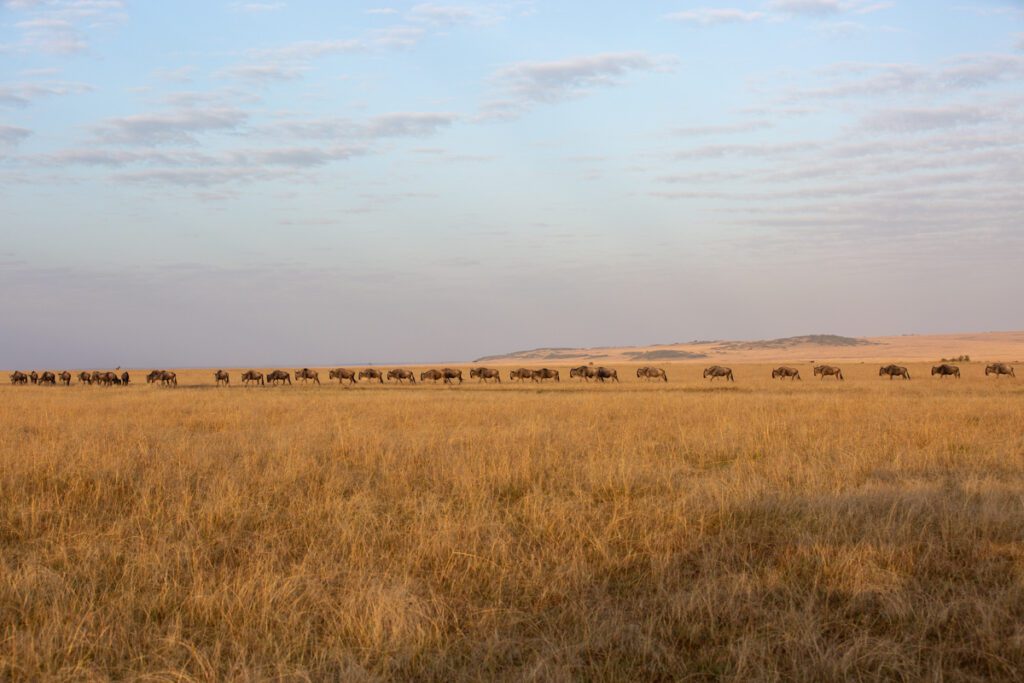
Over 1.5 million wildebeest and zebras arrive from mid-July. Mara River crossings peak between early August and mid-September. We call it the most dramatic wildlife event on Earth, and it’s our specialty.
Big Five country
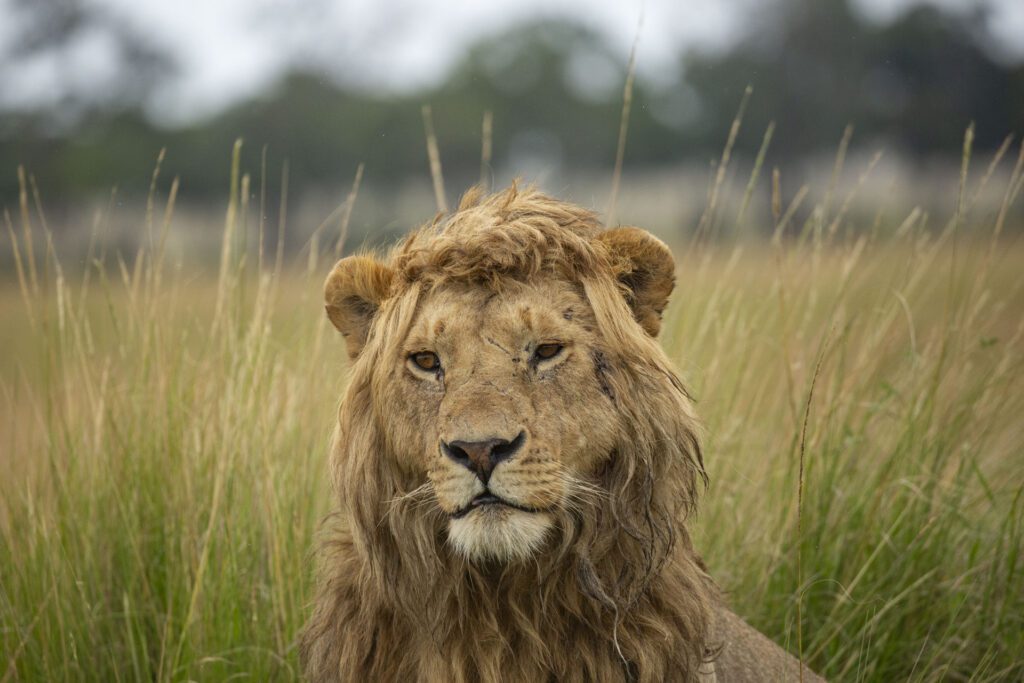
The Mara has one of the highest Big Five densities of any reserve in Africa. Lion, leopard, elephant, buffalo and rhino sightings are common. Our spot near Mpuaai Gate puts you close to the corridors where these animals are most active.
The people
Our guides grew up on this land. They come from Masai families in the area, and they read the plains in a way no guidebook can teach. When you spend time with them, you learn about the land and about the people who live alongside the wildlife.
The night sky
There’s no light pollution here. On any clear evening at camp, you can see the full Milky Way overhead. Our guides bring the constellations to life with stories, and then the bush goes quiet.
Quick facts
Fact | Detail |
Location of our camp | Foothills of Oldonyo Loip Hill, C14, Talek, Kenya |
Distance to gates | 10 minutes from Mpuaai Gate, 15 minutes from Talek Gate |
Migration arrival | From mid-July |
Crossing peak | Early August to mid-September |
Guests’ rating | 5.0 from 450 reviews on Google and TripAdvisor |
What Wildlife Can You See on Safari?
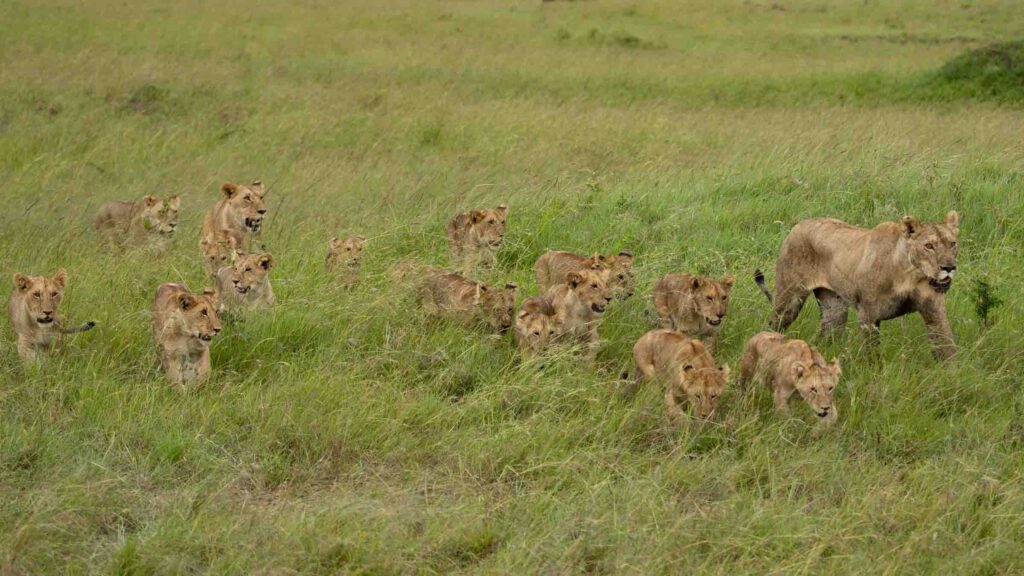
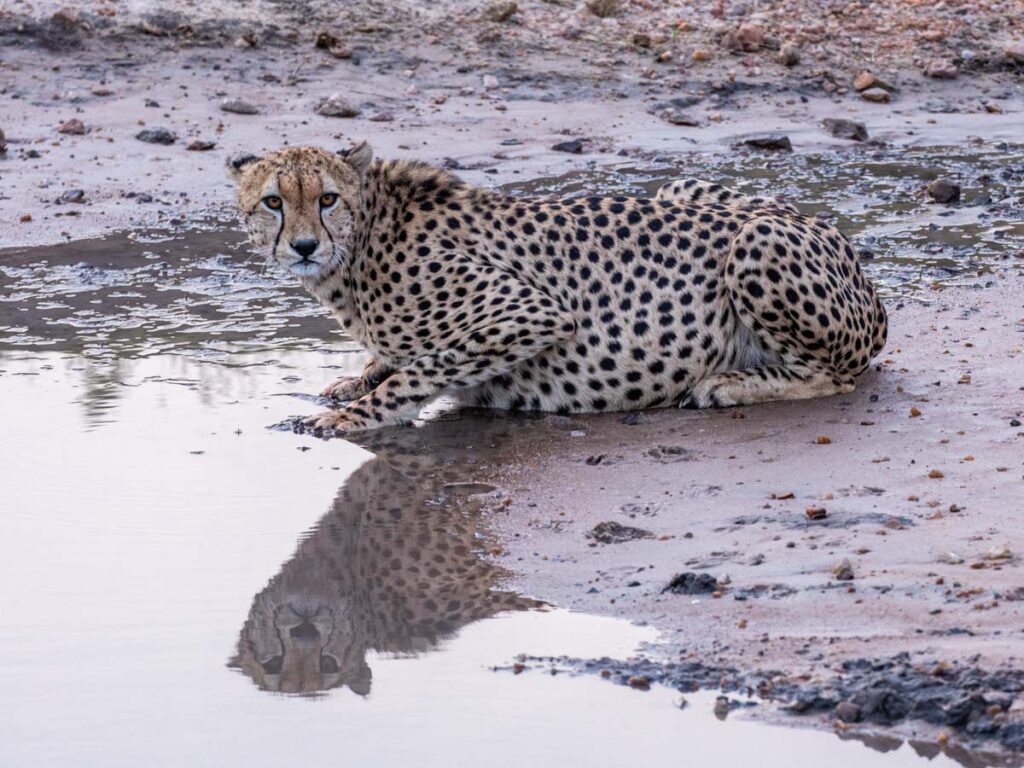
You can see lions, leopards, elephants, buffalo and rhinos, along with cheetahs, zebras and the wildebeest herds. What you’ll see most depends on the season you visit.
One guest wrote that thanks to their guide Jackson, they saw “lions, cheetahs, elephants, and more.” That’s typical of a good Mara game drive.
What to expect, by animal or event
What you might see | When and where |
Wildebeest and zebra herds | Arrive from mid-July; river crossings peak early August to mid-September |
Predators (lion, leopard, cheetah) | Excellent sightings April to June; dramatic activity during calving, January to March |
Newborn wildlife | Calving season, January to March |
Big Five | Common year-round across the Mara, especially near Mpuaai Gate |
Birds | Birdwatching is an optional extra on our family package and part of our photography package |
Zebras from your tent | Some of our tents have private decks with views across the savannah |
A note on river crossings
Crossings depend on the herd, not the calendar. Exact timing depends on rainfall. That’s why we suggest a longer stay if a crossing is on your wish list. More days means more chances.
Want to see more of Kenya?
We can combine your stay with three extensions:
- Amboseli National Park: iconic Kilimanjaro views and large elephant herds
- Lake Nakuru National Park: flamingos, rhinos and scenic lakeside drives
- Diani Beach: white sand and turquoise water for a safari-and-sea finish
What Is a Typical Day on Safari Like?
A typical day on our Masai Mara safari tours has a morning game drive, an afternoon game drive, meals at camp and an evening around the fire or under the stars. You set the pace, and we adjust it to your group.
A sample 3-day rhythm
Day | What happens |
Day 1 | You arrive, take an afternoon game drive, and end with a campfire dinner |
Day 2 | Full day: a morning drive and an afternoon drive |
Day 3 (optional) | Sunrise drive, then you depart after breakfast |
How we run our drives
- We use 4×4 game drive vehicles with open roofs, so you can watch wildlife and photograph it easily.
- Vehicles carry small groups. We don’t run overcrowded drives.
- Private vehicle options are available on all packages.
- Every drive is led by a local Masai guide.
How guides find the action
Our guides talk daily with other guides and camps to track herd movement. So when a crossing is building, you’re already on your way. You’re not stuck at the wrong bend of the river.
Days built around your interests
- If you’re a photographer: we time drives for golden light, include bush picnic lunches, and hold photo review sessions back at camp.
- If you’re a couple: you can have private drives at your own pace, sundowner drinks in the bush and a stargazing session.
- If you’re travelling with children: we pace drives for younger guests and add child-safe nature walks.
Evenings at camp
After a day in the bush, you can unwind with a massage or a sundowner on the outdoor decks overlooking the savannah. Guests often mention the food too. One wrote that it was “truly out of this world.”
When Is a Good Time to Visit the Masai Mara?
There’s no bad time to visit. The Mara rewards visits year-round. July to October is best if you want the Great Migration, April to June suits value and quiet, and November to March suits calving and photography.
Season by season
Months | What to expect | Best fit |
April to June | Lush green landscapes, fewer crowds, excellent predator sightings, great value pricing | First-timers and budget-conscious travellers; our mid-range 2 to 3 day package |
July to October | The Great Wildebeest Migration; crossings peak early August to mid-September and can continue into early October | Any package, but book early |
November to March | Calving season (January to March), newborn wildlife, dramatic predator activity, clear skies, fewer vehicles, excellent photography light | Photography, family or honeymoon; December to January is ideal for families |
If you want the migration
- When to go: herds start crossing into the Mara from mid-July.
- Where to stay: you want a camp minutes from the crossing points, not 90 minutes away.
- How far ahead to book: camps near the river for August and September routinely sell out 6 to 12 months in advance.
- How long to stay: at least 4 nights gives you more crossing opportunities.
If you’re not sure
Send us your dates. We’ll tell you what to expect during your window.
How to Plan Your Masai Mara Safari
Plan at least 3 nights, choose a package that matches your travel style, and get in touch with the camp directly early. Every package is a starting point, and we’ll adjust it around you.
How many days do you need?
We recommend a minimum of 3 nights. Four or five nights gives you a fuller experience. You get better odds of witnessing the Great Migration, more flexibility with drive timing, and time to slow down between drives. If your time is limited, our 2 to 3 day packages still work well.
Choose your package
Package | Length | What’s included |
Mid-range safari | 2 to 3 days | Standard or family tents, all meals, daily guided game drives, park entry fees, local Masai guide |
Photography tour | 6 days | 6 nights with photography lounge access, all meals including bush picnic lunches, custom-timed drives, park entry fees, wildlife photography guide, photo review sessions |
Family-friendly | 5+ days | Spacious ensuite family tents with private deck, all meals with children’s menu options, family-paced drives, park entry fees, child-safe nature walks, Masai cultural village visit (USD 30 per adult) |
Honeymoon or couples | 4 days | Private tent with romantic setup, all meals including a complimentary bush dinner, private drives, park entry fees, sundowner drinks, stargazing session |
These cover the most common searches we hear, like all-inclusive packages, couples packages, family packages and photography tours. Each one is adjustable.
Add-ons you can layer on
- Hot air balloon safari: a flight over the Mara River and plains, followed by a bush breakfast.
- Private bush dinner: a lantern-lit dinner just outside camp.
- Guided photography sessions: custom vehicles and schedules built around golden light.
- Nature walk and tree planting: learn the flora with our in-house naturalist, visit our tree nursery and plant a sapling.
- Masai cultural village visit: learn about traditions, dances and daily life. It supports the community directly.
- Stargazing sessions: any clear evening at camp.
Masai Mara Safari Booking: How It Works
Booking is direct and simple:
- Tell us your dates.
- Tell us how many people are travelling.
- Tell us which experiences matter most to you.
- Expect a reply within 24 hours with a personalised package, pricing and availability.
Your quote is itemised upfront. What you see is what you pay, with park fees, meals and game drives all listed. Peak migration months, August and September, carry higher park fees than the rest of the year.
Who is it for?
- Solo travellers: standard tents, small group drives and a camp quiet enough to rest in.
- Couples and honeymooners: private drives, bush dinners and a setting that does the work for you.
- Families: family tents and flexible drive timing, with no minimum age.
- Wildlife photographers: custom drive schedules and a dedicated photography lounge.
Stay and Experience the Mara at Mara Siligi Camp
Our camp is a small, intimate base of 10 eco tents at the foothills of Oldonyo Loip Hill, minutes from both Mpuaai and Talek gates. Whether you call it a camp, an eco-lodge or home for a few nights, it’s where wilderness meets warmth.
What’s in your tent
- Cozy beds and an ensuite bathroom
- A private deck for your morning tea, with views of zebras in the distance
- Hot showers and flush toilets
- Solar-powered electricity, with charging points for camera gear
What’s at camp
- Photo lounge and workspace: ideal for photographers, writers and digital nomads.
- WiFi in the lounge: stay connected when you need to, and unplug when you don’t.
- Massage area and outdoor decks: unwind with a sundowner over the savannah.
- Eco-friendly living: the camp runs on solar power.
- Electric-fenced camp: a reassurance for families.
Why guests choose to book with us
- Locally owned and operated. This is our home.
- Expert Masai guides. They grew up here.
- Flexible itineraries. Tell us what matters and we build around it.
- Fair pricing. No hidden costs.
- Community support. Our guides are from Masai families in the area, so booking with us keeps income local.
It’s not a typical hotel. It’s more personal, and rooted in the landscape and community.
One guest said, “You feel deeply connected to nature without sacrificing comfort.”
Your Mara Story Starts Here
The Masai Mara isn’t just a place you look at. It’s a place you feel: the first light over the savannah, the sound of the bush at night, and the moment your guide stops the vehicle because something is about to happen.
We’d love to be your hosts. Tell us your dates, your group size and what matters most, and we’ll come back within 24 hours with a personalised plan. Start your Masai Mara safari booking with Mara Siligi today, and let us show you the Mara the way we know it.
Frequently Asked Questions
You can fly or drive. Daily flights run from Wilson Airport in Nairobi to Ol Kiombo or Keekorok airstrips and take about 1 hour. By road, the trip takes 5 to 6 hours via Narok, on a scenic drive through the Rift Valley. We can arrange your transfers.
Yes. Our family-friendly packages include family tents, children’s meal options, flexible drive timing and child-safe nature walks. The camp is electric-fenced, and there’s no minimum age. Our guides are experienced with younger guests and adjust the pace.
Yes. We offer vegetarian, vegan, gluten-free and allergy-specific meals. Tell us your requirements when you book, and our kitchen team will prepare accordingly throughout your stay.