
Masai Mara Tour Packages in the Rainy Season
Wondering if a rainy season safari is worth it? Short answer: yes, and it might surprise you. If you’ve been eyeing a trip to the Mara but you’re worried the rain will ruin everything, we’re here to set the record straight.
We’re the team at Mara Siligi Camp, and we’ve hosted guests through every season this reserve throws at us. We know exactly what the rains do to the roads, the wildlife, and your photos, and we know how to help you plan around it. This guide walks you through what to actually expect, so you can decide if a rainy season trip fits what you want from your Masai Mara travel package.
Just the specifics you need: which months are wettest, what the wildlife does when the skies open up, how our guides handle muddy roads, and which packages make the most sense for a wet-weather trip.
Table of Contents:
- What Counts as the Masai Mara Rainy Season?
- Is It Worth Visiting Masai Mara During the Rains?
- What to Expect: Weather, Wildlife, and Road Conditions
- Best Masai Mara Tour Packages for a Rainy Season Trip
- Packing Tips for a Rainy Season Safari
- Why Stay With Us During the Rains
What Counts as the Masai Mara Rainy Season?
The Mara has two rainy stretches, and they’re very different from each other. Understanding this before you book helps you pick the window that actually suits your travel style.
Long Rains (Late March to May)
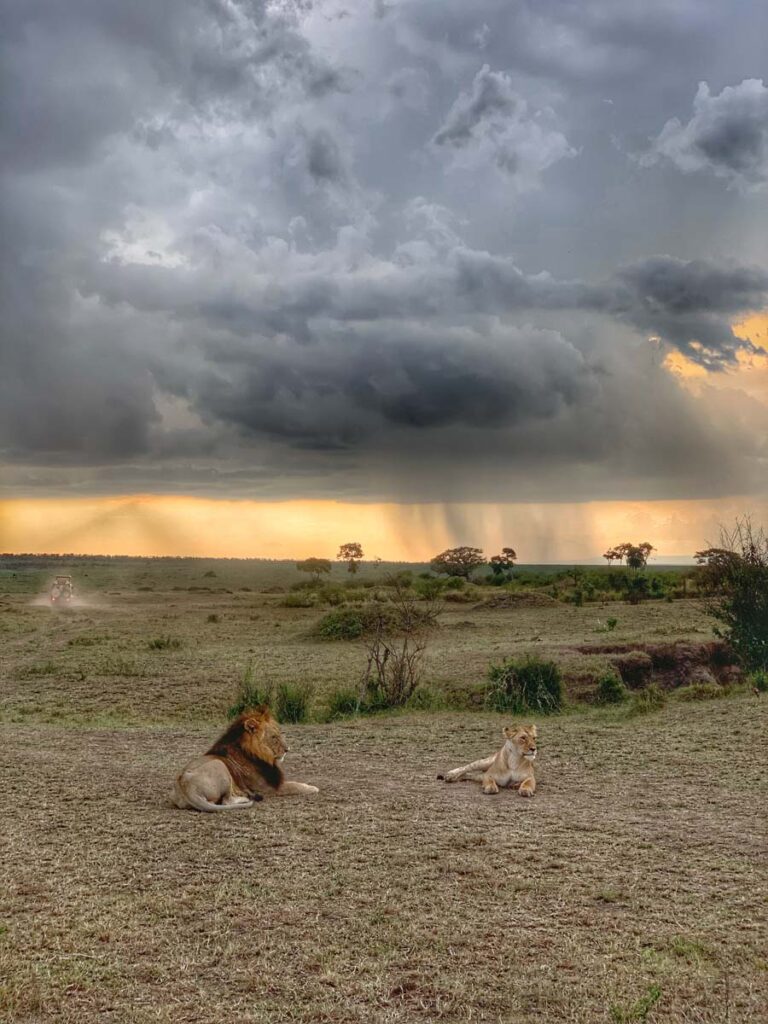
This is the wettest stretch of the year. Expect regular afternoon showers, dramatically greener landscapes, and some of the thinnest crowds you’ll find in the reserve all year. Mornings tend to stay clear, with the heavier weather building through the afternoon.
Short Rains (November)
Lighter and shorter than the long rains, the short rains usually show up as a quick downpour followed by clear skies within the hour. Many guests barely notice them, since the days still offer plenty of dry, sunny hours for game drives.
The Rest of the Year, for Comparison
- June–October: Drier, with the July–October Great Wildebeest Migration bringing peak crowds and peak prices
- December–February: Generally dry with warm days, ideal for families and first-time visitors
- January–March: Calving season, with newborn wildlife everywhere just before the long rains begin
If you’re comparing seasons for your Masai Mara travel packages, think of the rains as bookends around the busiest months, not a reason to skip your trip altogether. They’re simply a different rhythm, one with its own rewards.
Is It Worth Visiting Masai Mara During the Rains?
Here’s what we tell every guest who asks us this question: rainy season safaris trade a bit of unpredictability for a lot of upside. It comes down to what you value most in a trip.
What You Gain
- Lower rates on accommodation and guided game drives
- Fewer vehicles at sightings, so you’re not sharing a lion pride with ten other jeeps
- Lush, green scenery that photographs beautifully
- Newborn wildlife everywhere, since calving season runs January to March, just before the long rains
- Excellent birdwatching, with migratory species arriving alongside the rains
- A quieter, more personal pace to your game drives
What You Trade Off
- Some roads get muddy and slower to drive
- Afternoon showers can interrupt an activity, though they rarely last long
- A handful of camps close briefly during the heaviest weeks of the long rains
Who Rainy Season Safaris Suit Best
- Budget-conscious travellers who want the full Mara experience without peak-season pricing
- First-timers who’d rather ease into safari life without the crowds of migration season
- Photographers chasing dramatic skies, fresh light, and green backdrops
- Returning guests who’ve already seen the dry season and want a different side of the Mara
For anyone who prefers a quieter safari over a crowded one, the rains often make more sense than the July migration rush.
What to Expect: Weather, Wildlife, and Road Conditions
Let’s get specific, because “rainy season” can sound scarier than it actually is once you know the pattern.
Daily Weather Pattern
Most days follow a predictable rhythm: clear mornings, building clouds by early afternoon, then a shower that passes within an hour or two. Mornings are usually your best window for a game drive, so we plan around that whenever the skies look unsettled. By evening, skies typically clear again for a comfortable sundowner.
Wildlife Sightings
Rain doesn’t send the animals into hiding. If anything, the greener grass draws grazers into the open, and predators follow them close behind. You’ll still catch:
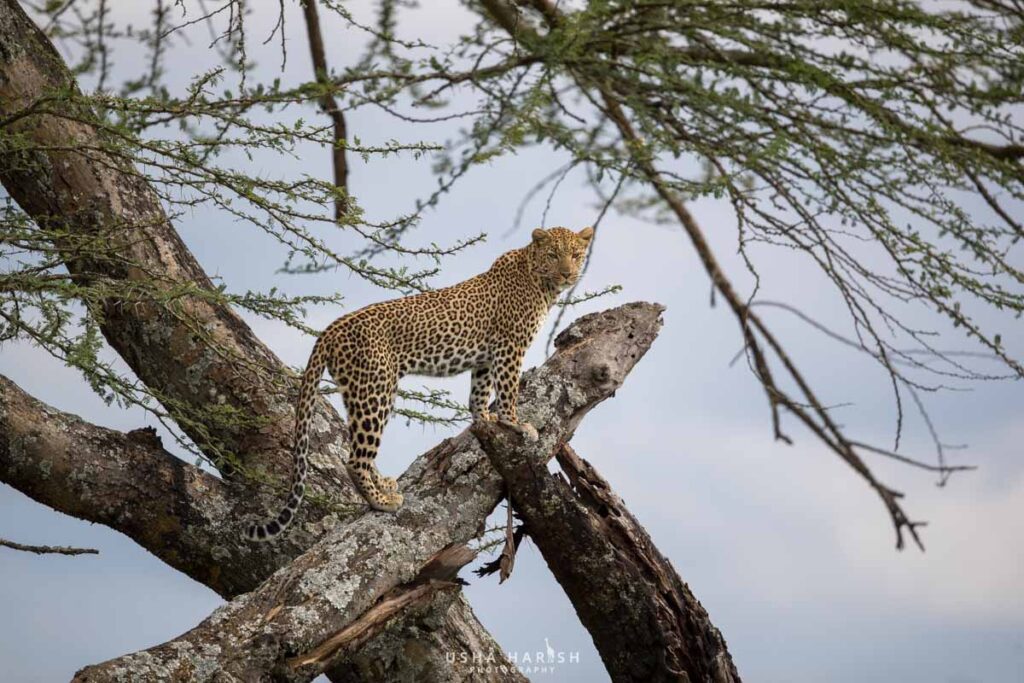
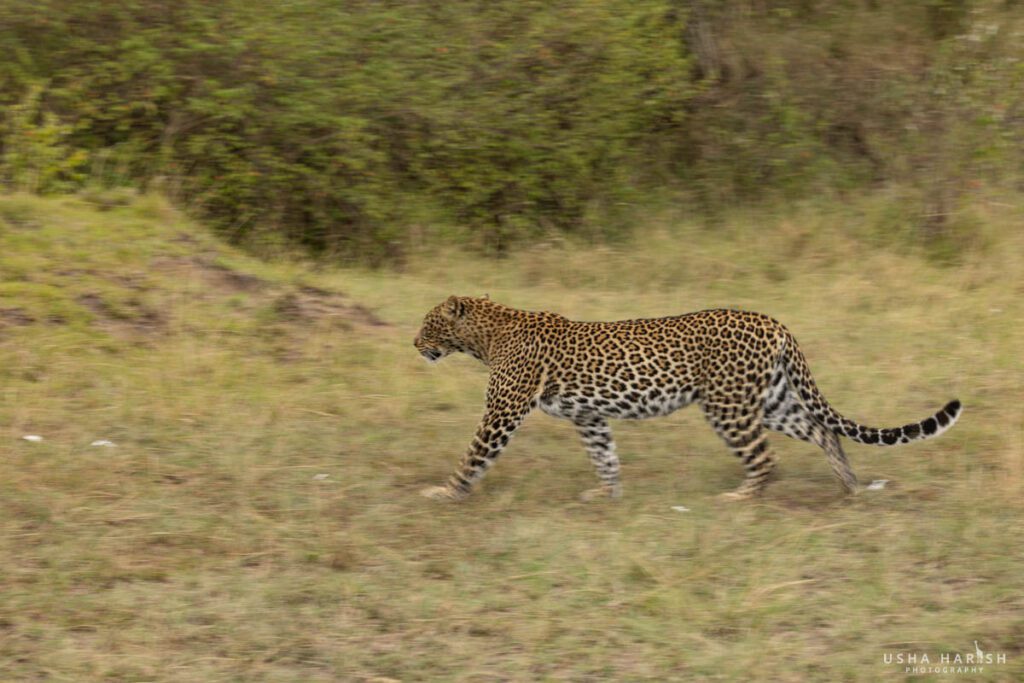
- Lions, leopards, and cheetahs on the move
- Elephant and buffalo herds grazing the fresh growth
- Newborn wildebeest, zebra, and gazelle calves, peaking in January through March
- Over 400 bird species, many far more active during and right after rainfall
Road and Access Conditions
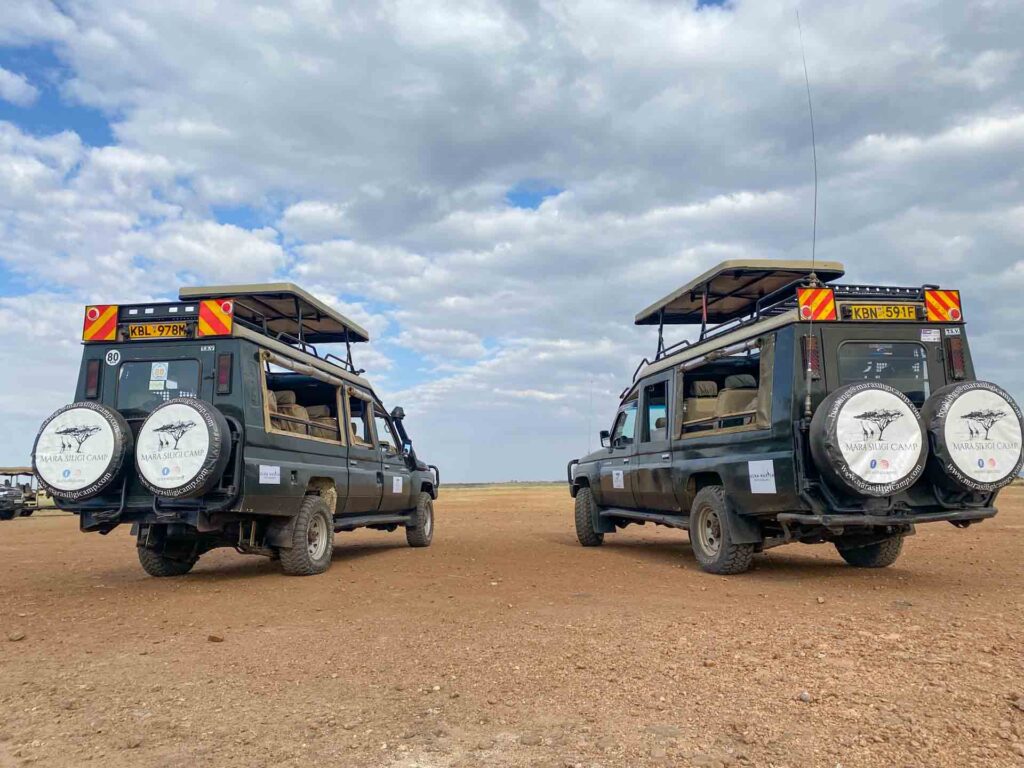
Some interior tracks get soft after heavy rain, and experienced guides adjust routes accordingly. This is exactly where local knowledge matters most. Guides who grew up on this land know which loops to avoid and which routes stay firm, so you’re not the one stuck axle-deep in mud halfway through a drive.
Temperature Guide
Don’t assume “rainy” means cold all day. Here’s a rough sense of what to expect:
- Daytime highs: Typically 24–27°C (75–80°F), warm enough for light layers
- Early morning game drives: Often 12–15°C (54–59°F), cool enough to want a jacket
- Evenings after a shower: Can drop further, so a warm layer for dinner is worth packing
- Humidity: Higher than the dry months, especially right after rainfall
The swing between a cool dawn drive and a warm afternoon is exactly why layering matters more than any single heavy item.
Photography During the Rains
Post-rain light is some of the best you’ll find anywhere in the Mara. Clouds diffuse the harsh midday sun, rainbows are common, and the greenery gives every shot a richness the dry months can’t match. If photography matters to you, don’t write off the rainy months just because the forecast looks unpredictable.
Best Masai Mara Tour Packages for a Rainy Season Trip
Not every itinerary suits a wet-weather trip equally well. Here’s how we’d match trip styles to packages.
Trip Style | Recommended Package | Why It Works |
First-time visitor, flexible budget | Mid-Range Safari Package (2–3 days) | Lower rates, shorter commitment while you test the season |
Photography-focused | Photography Tour Package (6 days) | Dramatic light after rain, custom-timed drives around showers |
Family trip | Family-Friendly Safari Package (5+ days) | Slower pace suits unpredictable weather, kids love the newborn animals |
Romantic getaway | Honeymoon or Couples Package (4 days) | Quieter camp, private drives, no crowds to compete with |
Whichever style fits you, our Masai Mara Tour Packages are built to flex around the day’s weather instead of following a fixed resort schedule. If there’s a break in the clouds at dawn, you’re out the door at dawn, not waiting on a set timetable.
Every package we run includes accommodation, all meals, daily guided game drives, park entry fees, and a local Masai guide, so there’s nothing extra to figure out once you land. Rainy season travellers often find their money stretches further too, since accommodation rates typically dip outside the July–October peak.
None of these packages are fixed products, either. Tell us your dates, your budget, and what you’re hoping to see, and we’ll adjust the itinerary to match the weather window you’re travelling in.
Packing Tips for a Rainy Season Safari
A few smart choices in your bag make a rainy season trip completely comfortable, no matter what the skies decide to do.
Clothing Essentials
- Lightweight rain jacket — packable, breathable, and easy to shed once the sun’s back out
- Quick-dry clothing — you’ll want it over heavy cotton, which stays damp for hours
- Closed, waterproof shoes — mud on the tracks means open sandals aren’t ideal
- A warm layer for evenings — temperatures drop after rainfall, especially at dawn and dusk
Gear Essentials
- Waterproof cover for camera gear — sudden showers happen fast, and you’ll want your equipment protected
- Insect repellent — grass and standing water bring more mosquitoes than the dry months
- A dry bag for electronics — handy for phones, chargers, and anything you don’t want damp
- Binoculars in a protective case — great for spotting wildlife from your private deck during a passing shower
Pack light, pack smart, and you’ll barely notice the weather once you’re out on a drive.
Why Stay With Us During the Rains
We built Mara Siligi Camp to work with the land, not against it, and that matters most when the skies open up.
- We’re close to the gates. Just 10 minutes from Mpuaai Gate and 15 minutes from Talek Gate, so you spend less time on muddy access roads and more time actually on safari.
- Our guides know the terrain. They grew up near Oldonyo Loip Hill, and that local knowledge is exactly what keeps your drive on track when a route turns soft.
- Every stay is all-inclusive. Accommodation, meals, morning and evening game drives, and nature walks are all covered, so there’s no scrambling to arrange things once the rain starts.
- We run on solar power, so a cloudy stretch of days doesn’t affect your comfort back at camp.
- Our tents are built for weather. Ensuite bathrooms, hot showers, solar lighting, and a private deck mean a passing shower is just something to watch from your own veranda with a warm drink in hand.
Whether you’re after a quiet, budget-friendly trip or simply want fewer crowds around your sightings, a rainy season stay delivers a genuinely personal safari, not a scripted one. Guests booking through Mara Siligi Camp during the shoulder months regularly tell us it’s their favourite time to visit, precisely because the reserve feels like theirs alone.
Final Thoughts
A rainy season trip to the Mara isn’t a compromise, it’s a different kind of safari. You’ll trade a few afternoon showers for lower prices, greener scenery, newborn wildlife, and a reserve that isn’t packed with vehicles. If that sounds like your kind of trip, we’d love to help you plan it.
We’ve watched enough seasons pass over Oldonyo Loip Hill to know the rains aren’t something to fear, they’re simply part of the rhythm out here. Come prepared, stay flexible, and you’ll leave with photos and stories that most dry-season visitors never get.
Tell us your dates and what you’re hoping to see, and we’ll put together a Masai Mara tour package built around your trip, not a generic one pulled off a shelf. From tent type to drive timing to add-on experiences, every detail gets confirmed with you before you arrive.
Frequently Asked Questions
Yes. Rain rarely lasts more than an hour or two at a time, and experienced guides simply reroute around any soft tracks. Game drives continue as normal, just with a bit more flexibility built into the schedule.
The long rains run from roughly late March through May, and the short rains fall mainly in November. Both are lighter than most people expect, with clear mornings and short afternoon showers.
Yes, accommodation and packages typically cost less during the rains compared to the July–October migration season, making it a smart choice for budget-conscious travellers.