What’s Included in a Wildebeest Migration Masai Safari Package?
You’re finally planning your Great Migration trip, and now you’re staring at three different quotes wondering why the prices are so different. That’s the thing about safari planning, every operator packages things differently, and if you don’t know what to look for, you could end up paying extra for something you assumed was already covered.
We get this question constantly at Mara Siligi Camp, so let’s break it down properly. Whether you’re comparing Masai Mara Tour Packages online or building your own trip from scratch, here’s exactly what should be included in a migration-season safari, and what usually costs extra.
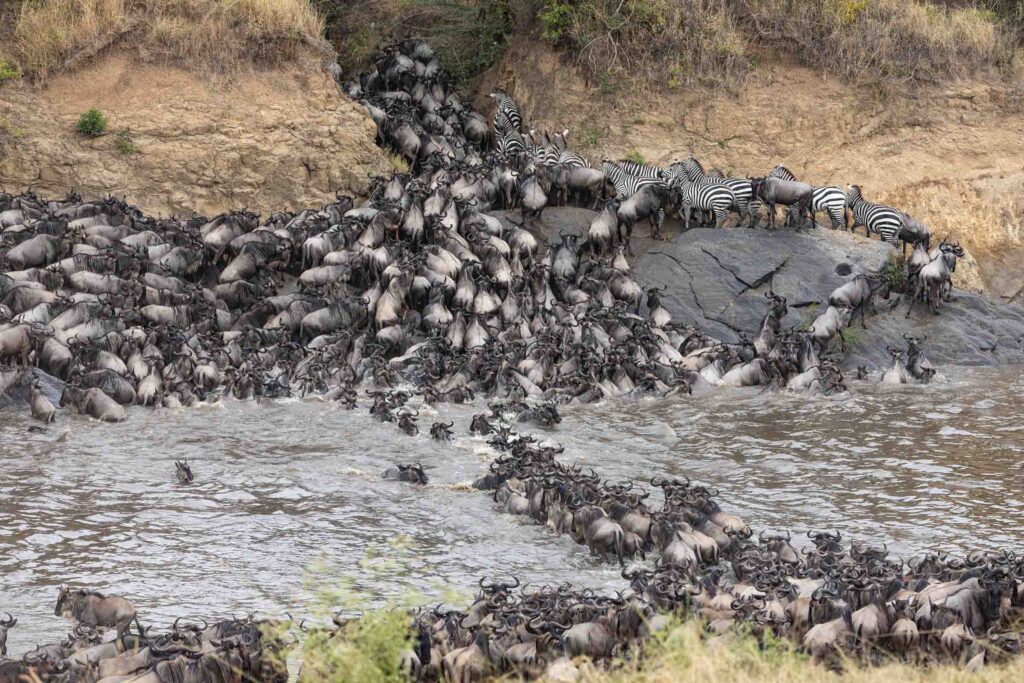
Migration season pricing can look wildly different from one operator to the next, and that gap is rarely about quality, it’s usually about what’s bundled in versus billed separately. Before you commit to anything, it helps to know exactly what a fair, complete package looks like, so you’re comparing apples to apples instead of guessing.
Table of Contents:
- What’s Actually Included in a Migration Safari Package
- Where You’ll Stay: Accommodation Explained
- Meals, Guides & Daily Game Drives
- Optional Add-Ons Worth Considering
- What’s Usually NOT Included (So You’re Not Surprised)
- How to Choose the Right Package for Your Trip
What’s Actually Included in a Migration Safari Package
Let’s start with the basics. A solid Masai Mara safari package built around the Great Migration should give you a complete, stress-free experience from arrival to departure, not a bare-bones deal with a dozen hidden add-ons.
Here’s what you should expect as standard:
- Accommodation for the full length of your stay, whether that’s a tented camp or a lodge
- All meals — breakfast, lunch, and dinner, prepared fresh each day
- Daily guided game drives, timed around when the herds and predators are most active
- Park entry fees, which are mandatory and add up fast if you’re paying separately
- A local Masai guide, who knows the land, the animal behavior, and where the migration is moving that week
If a quote you’re comparing leaves any of these out, ask why, because these five things are the backbone of any genuine safari package, migration season or not.
Where You’ll Stay: Accommodation Explained
Your camp is more than a place to sleep, during migration season, it’s your home base between long days in the field, so it matters more than you’d think.
A good Masai Mara travel package typically includes:
- Ensuite tented accommodation, with private bathrooms and comfortable beds (not shared facilities)
- A private deck or veranda, so you can actually sit outside and take in the surroundings
- Reliable power, usually solar, plus charging points for your phone and camera batteries
- A location close to the action — camps near Talek or Ol Kiombo gates cut down your drive time to the reserve significantly
At Mara Siligi Camp, we sit at the foothills of Oldonyo Loip Hill, just minutes from both gates. That location alone can mean an extra hour of usable daylight for game drives compared to camps set further out, which matters a lot when you’re chasing migration timing.
This is also why location should be one of the first things you check when comparing a Masai Mara travel package, two camps can offer near-identical amenities, but the one closer to the gate will almost always give you more time actually watching wildlife instead of sitting in a vehicle getting there.
Meals, Guides & Daily Game Drives
This is where a package either delivers real value or quietly cuts corners. Let’s go through what should be non-negotiable.
Meals
- Three meals a day, included in your rate, not charged per plate
- Dietary accommodations for vegetarian, vegan, or allergy-specific needs, if you flag them in advance
- Bush breakfasts or picnic lunches on full-day drives, so you’re not rushing back to camp mid-migration
Guides
- A dedicated, experienced Masai guide who understands animal behavior and migration patterns
- Local knowledge that a generic tour operator simply can’t match, these are guides who grew up on this land
- Someone who adjusts your daily plan based on where the herds actually are, not a fixed script
Game drives
- Two drives a day as standard, early morning and late afternoon, when animals are most active
- Full-day drive options during peak migration weeks, so you don’t miss a crossing because you had to head back for lunch
- Small group sizes per vehicle, so everyone actually gets a clear view
If your package only offers one drive a day or crams too many guests into one vehicle, you’re not getting full value for a migration-season trip.
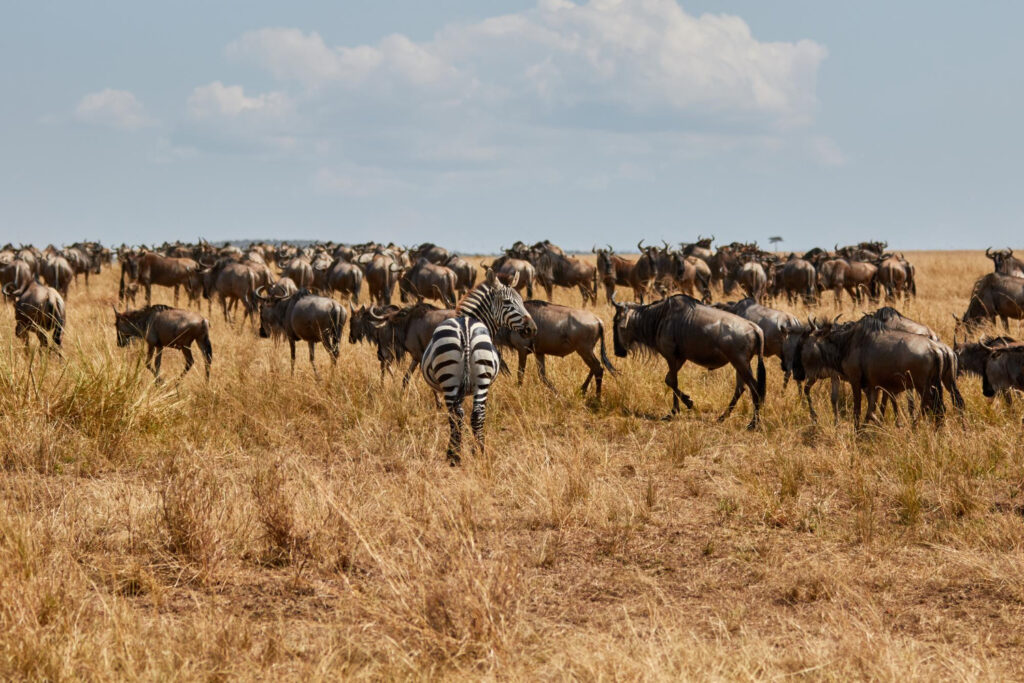
It’s also worth asking how drive timing changes during the migration itself. The best camps don’t run a fixed morning-and-evening schedule year-round, during peak crossing weeks, guides often push for longer, full-day drives so you’re not stuck back at camp when a herd finally commits to the river. That kind of flexibility is a good sign you’re dealing with people who actually understand migration behavior, not just a standard tour script.
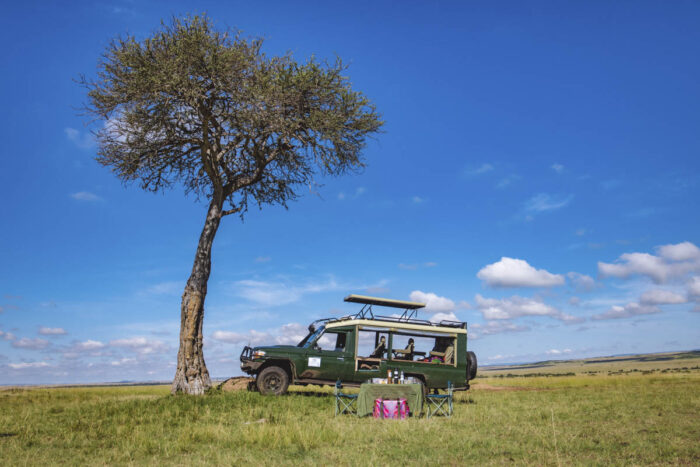
Optional Add-Ons Worth Considering
Beyond the essentials, most camps offer extras that can genuinely elevate your trip, but they’re usually priced separately, and that’s fair. Here’s what’s worth thinking about:
- Hot air balloon safari — sunrise views over the plains, often paired with a champagne bush breakfast
- Private bush dinners — a lantern-lit setup away from camp, great for anniversaries or honeymoons
- Masai cultural village visits — a chance to learn about local traditions directly from the community
- Stargazing sessions — with zero light pollution, the Milky Way is genuinely visible most clear nights
- Nature walks — a slower-paced way to learn the smaller details of the ecosystem around camp
- Extensions to Amboseli or Lake Nakuru — if you want to combine your migration trip with elephant herds or flamingo-covered lakes elsewhere in Kenya
None of these are essential, but if you’re already making the trip, they’re worth asking about, most can be slotted into any Masai Mara Holiday Package without much hassle.
A quick tip: ask your camp whether add-ons can be bundled at a discount if booked together, rather than paid for individually. Many camps, including ours, are happy to build a custom rate once they know which extras you actually want.
What’s Usually NOT Included (So You’re Not Surprised)
This is the part people forget to ask about, and it’s where surprise costs tend to show up on your final bill. Be sure to clarify these before you book:
Even the most transparent operators can’t include absolutely everything in one flat rate, some costs genuinely depend on your nationality, your travel dates, or your personal preferences. Knowing which ones fall into that category ahead of time means no awkward surprises when the final invoice lands in your inbox.
- International and domestic flights — including the short flight or road transfer from Nairobi to the reserve
- Visa fees — Kenya’s visa requirements vary by nationality, so check this ahead of time
- Travel insurance — always worth having, and rarely bundled into a safari quote
- Alcoholic beverages — most camps include soft drinks and water, but bar tabs are usually separate
- Tips and gratuities for your guide and camp staff, customary, though never mandatory
- Optional activities like balloon rides or private dinners, unless specifically bundled in
A transparent operator will list these clearly upfront rather than let you find out at checkout. Ask directly: “What’s excluded from this quote?” a good camp will answer without hesitation.
We’ve noticed a lot of travelers searching for masai mara all inclusive packages specifically because they’ve been burned before by quotes that looked cheap upfront and then piled on extras once they arrived. If a price seems too good compared to everyone else, it’s worth double-checking exactly what’s actually bundled in before you assume it’s a better deal.
How to Choose the Right Package for Your Trip
With so many options out there, picking the right fit comes down to a few honest questions about what you actually want from the trip.
Ask yourself:
- How many days do you have? Migration season rewards patience, 4 to 6 days gives you a real shot at witnessing a river crossing, while 2 to 3 days works better for a shorter, lighter safari.
- Who’s traveling with you? Couples often want private drives and quiet evenings, while families need flexible pacing and kid-friendly guides.
- What’s your priority — photography, comfort, or culture? Some Masai Mara Tour Packages are built around golden-hour light and dedicated photo sessions, while others focus more on relaxation or cultural immersion.
- Do you want an all-inclusive experience? Many travelers specifically search for masai mara all inclusive packages because they don’t want to manage separate bookings for meals, drives, and park fees, and honestly, that’s the easier way to travel.
- Are you traveling with a partner, solo, or in a larger group? Couples often prefer private, all-inclusive setups, while larger groups may want more flexibility to split off into smaller drives on certain days.
At Mara Siligi Camp, we don’t believe in a one-size-fits-all itinerary. We’re locally owned, we live on this land, and every Masai Mara safari package we build starts with a simple conversation, your dates, your group, and what matters most to you.
A few more things worth clarifying before you book anything:
- Ask about group size per vehicle. Overcrowded drives mean worse angles, more noise, and a less personal experience, small groups make a real difference during peak migration weeks.
- Confirm your guide is dedicated, not shared across multiple vehicles. You want someone who’s fully focused on your group’s questions and interests, not splitting attention.
- Check the cancellation and rebooking policy. Migration timing can shift with weather, so flexibility matters more than people expect.
- Ask how the itinerary adapts if the herds move. A good operator tracks migration patterns daily and adjusts your drives accordingly, a rigid, fixed schedule isn’t ideal for a trip built around wild animals.
Here’s a quick answer to a question we hear often: is a migration safari worth booking well in advance? Yes, July through October fills up fast, and the camps positioned closest to known crossing points tend to sell out first. If your travel dates fall within peak migration season, it’s worth locking in your package at least a few months ahead.
Ready to Plan Your Migration Safari?
The Great Migration only comes around once a year, and the operators who deliver the best experience are the ones who are upfront about what’s included from the start. If you’re comparing quotes right now, use this list as your checklist, accommodation, meals, guides, and drives should always be covered, with add-ons and extras clearly optional.
Reach out to us at Mara Siligi Camp with your travel dates, and we’ll walk you through exactly what’s included in your migration-season package, no hidden surprises, just straight answers from the people who’ll actually be hosting you.
Whether you’re planning your first trip to Kenya or your fifth, a well-structured Masai Mara Holiday Package should feel like one less thing to worry about, not a puzzle you’re still solving after you’ve already landed. Tell us your dates, your group, and what you’re hoping to see, and we’ll take it from there.
Frequently Asked Questions
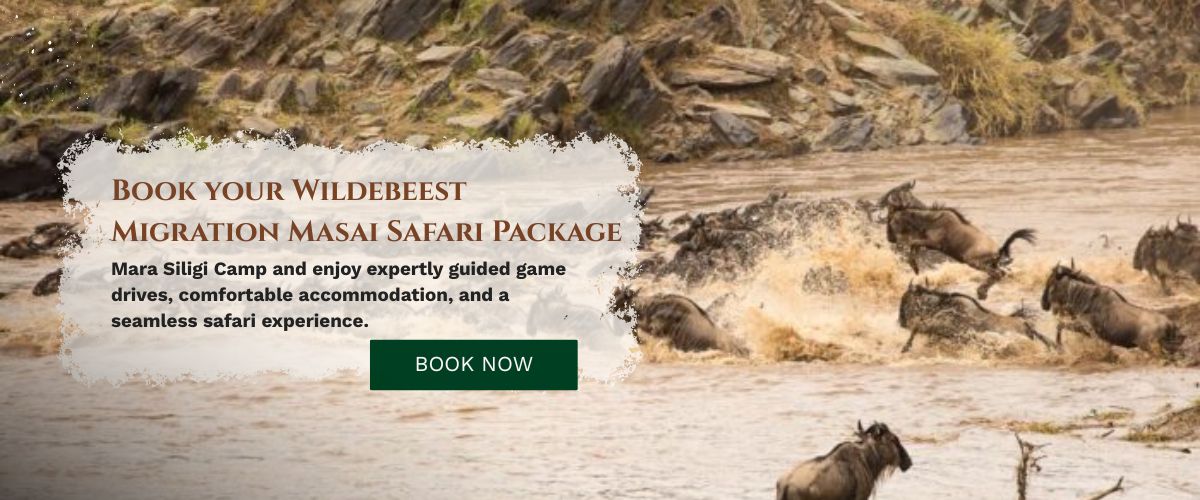
Most Wildebeest Migration Masai Safari Packages include accommodation, daily meals, guided game drives, park entry fees, and the services of an experienced local guide. Some packages may also include airport transfers, while activities like hot air balloon safaris and cultural visits are often available as optional add-ons.
Many all-inclusive Masai Mara safari packages include park entry fees, but not all operators do. It’s important to confirm whether conservation fees are included in your quote, as these can significantly affect the overall cost of your safari.
For the best availability, it’s recommended to book your Wildebeest Migration Masai Safari Package at least 4–6 months before the peak migration season (July to October). Early booking gives you a better choice of camps, guides, and travel dates, especially if you want accommodation close to the Mara River.