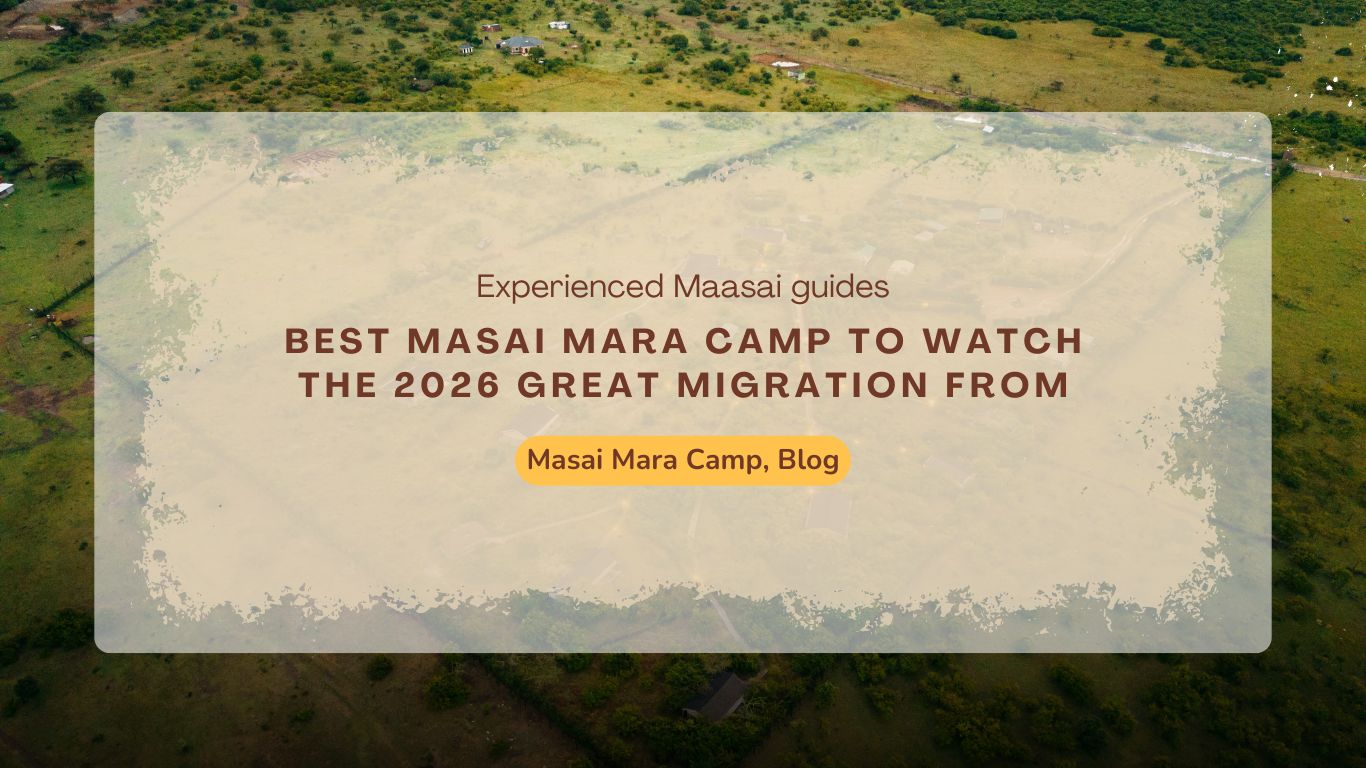
Best Masai Mara Camp to Watch the 2026 Great Migration From
If you’re planning your trip around the migration, where you stay matters just as much as when you go. The right Masai Mara camp puts you closer to the herds, the river crossings, and the golden-hour ligh, and the wrong one leaves you spending half your safari stuck in traffic between your tent and the action.
We’re going to walk you through exactly what to look for in a safari camp in Masai Mara this season, and why Mara Siligi Camp, tucked into the foothills of Oldonyo Loip Hill in Talek, has become one of the most talked-about Masai Mara safari stays for travelers chasing the 2026 Great Migration.
Table of Contents:
- Why Your Camp Choice Decides Your Migration Experience
- Mara Siligi Camp: A Front-Row Masai Mara Camp for the Migration
- What Makes This a Standout Safari Camp in Masai Mara
- Masai Mara Safari Stays: Your Tent, Your Comfort, Your Wild Backyard
- Masai Mara Safari Accommodation: What’s Included When You Book
- How to Book Your Migration Season Stay at Mara Siligi Camp
Why Your Camp Choice Decides Your Migration Experience
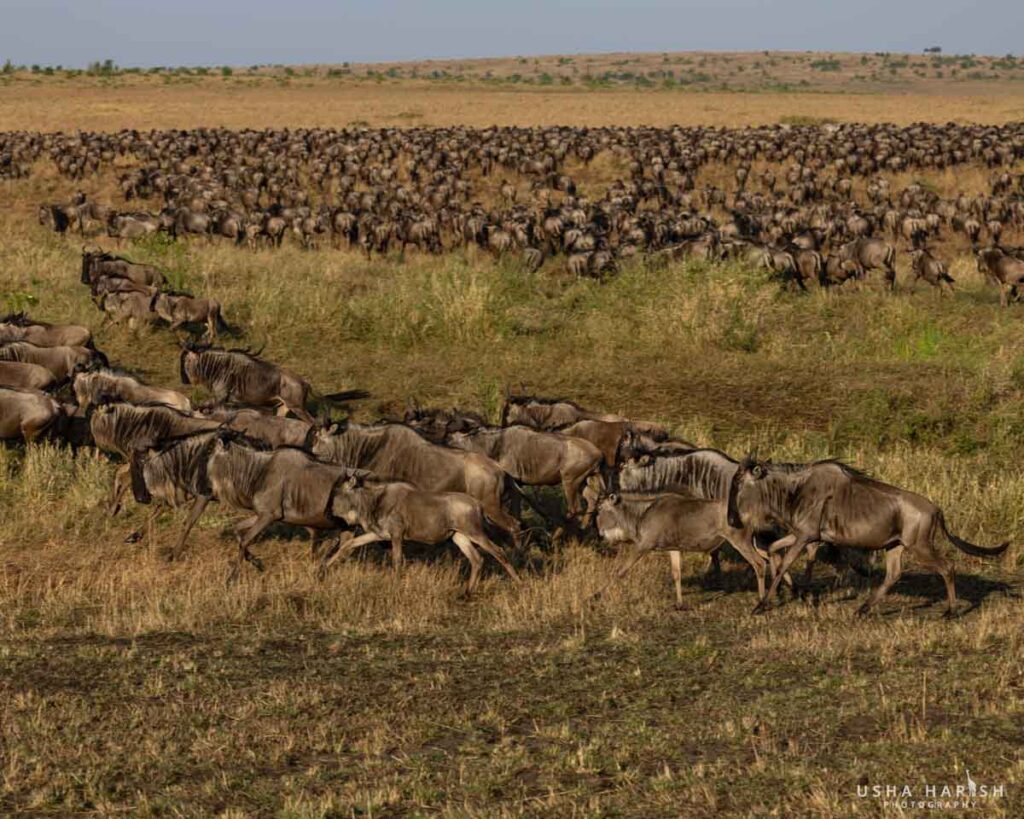
You’ve probably already read that the 2026 Great Migration is expected to bring the mega-herds into the Mara by the third week of July, with peak river crossings likely between August and September. That part is easy to find. What most guides won’t tell you is that your camp location decides how much of it you actually get to see.
Here’s why it matters so much:
- Drive time eats your game-drive window. If your camp sits an hour or more from the reserve gate, you lose that time twice a day — once heading out, once coming back.
- A good Masai Mara safari camp keeps you close to Talek Gate, one of the fastest entry points into the reserve and a short hop from key migration territory.
- Your guide’s local knowledge matters more than your itinerary. During peak migration season, herd movement changes daily. A camp with experienced Maasai guides on the ground gives you real-time positioning, not a fixed script.
- Comfort after a long day in the bush isn’t a luxury — it’s what keeps you going for 3, 4, or 5 game drives in a row.
There’s also the question of timing. The wildebeest migration 2026 season is expected to bring the first big herds into the Mara by mid-to-late July, with the dramatic river crossings building through August and into September. Camps that sit closer to the reserve’s main corridors simply give you more chances to be in the right place when a crossing happens — and fewer wasted hours on the road getting there.
This is exactly the gap Mara Siligi Camp was built to close.
Mara Siligi Camp: A Front-Row Masai Mara Camp for the Migration
Mara Siligi Camp sits at the foothills of Oldonyo Loip Hill in Talek, right at the edge of the Masai Mara National Reserve. That location alone puts you within easy striking distance of the migration corridors without the long transfer times that eat into your safari day.
As a boutique, eco-friendly Masai Mara camp, Mara Siligi isn’t trying to be the biggest lodge in the reserve — it’s built to feel personal. With just 10 guest tents sleeping up to 27 people, you get a small-camp experience: your guide knows your name, your chef adjusts the menu around what you actually like, and the team can rearrange your morning game drive if word comes in that the herds are moving toward a crossing point.
We think that’s exactly what you want during migration season — not a script, but a team that adapts with the animals.
A few things guests consistently mention:
- A 5.0-star TripAdvisor rating across more than 1,200 reviews
- Four consecutive years winning the TripAdvisor Travelers’ Choice Award
- An in-house connection to Usha Harish Photography, so even non-photographers leave with camera-worthy shots from the migration
What Makes This a Standout Safari Camp in Masai Mara
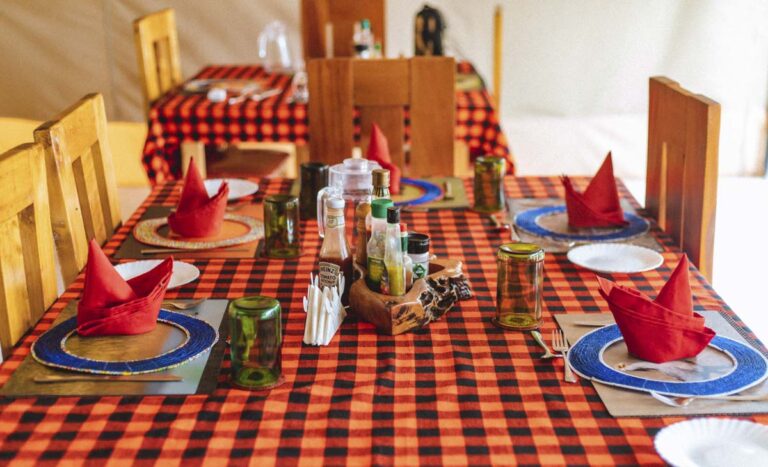
Not every safari camp in Masai Mara is designed around the migration. Here’s what actually sets Mara Siligi Camp apart when the herds are moving:
- Experienced Maasai guides who track herd movement daily and adjust your game drive plan in real time — critical when crossings can happen with little warning
- A workspace-cum-photo-lounge where you can review your shots, back up your memory cards, and still stay connected if you need to check in on work
- Electric-fenced grounds with night security, so you can walk safely between your tent and the lounge after an evening bonfire
- Solar-powered everything — from tent lighting to charging points — so you’re never worrying about a dead camera battery before an early morning drive
- A genuine eco-friendly ethos, including native tree planting and support for local water access and children’s education, so your stay also gives back to the Talek community
If you’re comparing this safari resort near talek against bigger lodges inside the reserve, the trade-off is simple: you give up scale, and you gain personal attention, faster access to the conservancy side of the ecosystem, and a team that treats migration season like the main event, because for them, it is.
We’d also point out that a good masai mara game drive during migration season isn’t just about speed, it’s about reading the herd. Our guides watch for scouting groups gathering at the riverbanks, dust clouds on the horizon, and predator movement, all of which signal a crossing is close. That kind of read-the-bush instinct only comes from guides who work this land every single day, not once a season.
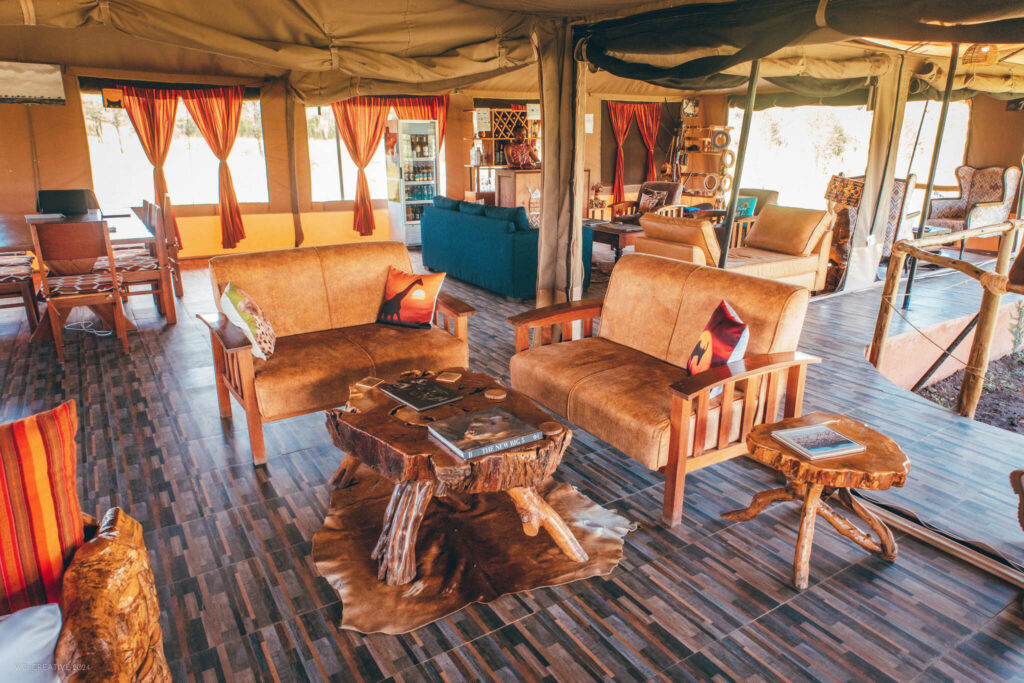
Masai Mara Safari Stays: Your Tent, Your Comfort, Your Wild Backyard
One of the most common questions we hear before migration season is simple: will I actually be comfortable? Long game drives, dusty roads, early starts, you want your camp to be the place where you recover, not just where you sleep.
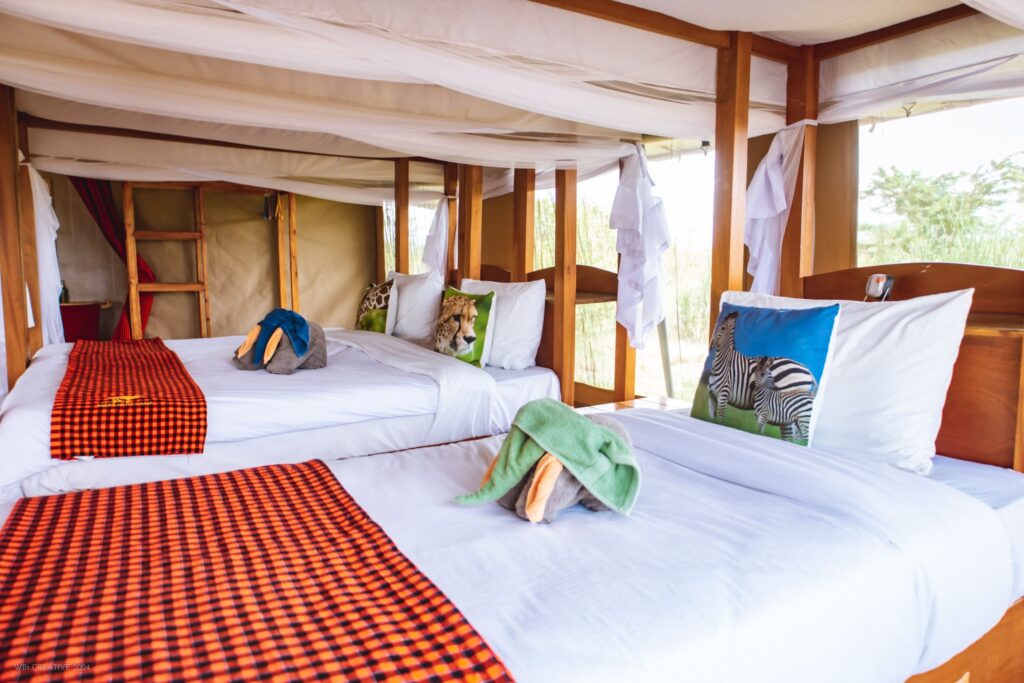
Mara Siligi’s approach to Masai Mara safari stays is built around exactly that recovery. Each of the seven tent types, from The Simba for couples to family-sized options like The Kifaru, The Chui, and The Kiboko, comes with:
- Cozy beds with fresh linens and an ensuite bathroom
- Hot water showers and flush toilets (no compromise on comfort just because you’re in the bush)
- A study table and lamp, plus a private outdoor deck with chairs
- 24-hour solar power, solar torches, and universal adapters
- Bottled water, towels, and toiletries provided in every tent
And when you’re not out chasing the herds, the camp itself gives you plenty to look forward to:
- A sundowner with a view over the Mara as the sky turns gold
- Star gazing on genuinely dark nights, far from city light pollution
- A safari massage to loosen up after a long day bouncing over reserve tracks
- The Siligi bonfire, where guides swap stories from the day’s drive
This is the kind of stay that turns a migration trip from “we saw a crossing” into “we can’t wait to come back.”
And because the camp runs entirely on solar power, none of this comfort comes at the environment’s expense. You get hot showers and reliable charging for your camera batteries without the diesel generators that hum through the night at some larger lodges, which also means your evenings by the bonfire stay genuinely quiet, save for the sounds of the bush around you.
Masai Mara Safari Accommodation: What’s Included When You Book
Before you book any Masai Mara safari accommodation, it’s worth knowing exactly what’s covered, especially during peak migration months when prices and availability shift fast.
At Mara Siligi Camp, a typical stay includes:
- Full board meals, with breakfast (6:30–9:30 am, or a picnic breakfast if you’re out on safari), lunch, dinner, and tea or coffee before your early morning drive
- Game drives with an experienced Maasai guide, timed around where the migration action is that week
- Access to the lounge, with books, card games, a bar, and WiFi for downtime between drives
- All the in-tent essentials, power, hot water, linens, and toiletries, bundled into your stay, not charged separately
This makes it close to an all-inclusive Masai Mara camp experience: once you’ve arrived, most of what you need for a full migration-season safari is already covered, so you’re not budgeting for extras every time you step out of your tent.
That matters more than people expect during migration months. When you’re out chasing a crossing, the last thing you want is calculating an à la carte lunch bill or negotiating extra charges for a second game drive. Knowing your meals, your guide, and your vehicle time are already sorted lets you focus on what you actually came for, watching over a million animals move across the plains.
For families, Mara Siligi has also run seasonal offers, like a family escape package with full board accommodation, exclusive game drives, and free stays for children under 10, which is worth asking about directly when you inquire, since offers shift by season.
How to Book Your Migration Season Stay at Mara Siligi Camp
If you’re planning to be in the Mara for the 2026 crossings, here’s the honest truth: camps near the main migration corridors fill up fast, and the best tents go first. Booking early isn’t just a nice-to-have during peak migration season, it’s often the difference between watching a crossing from a good vantage point and missing the window entirely.
If you’re still weighing the best time to visit masai mara this year, here’s the short version: late July gets you the early arrivals and thinner crowds, August is the masai mara peak season with the highest odds of witnessing a river crossing, and September into early October rewards patient travelers with fewer vehicles at each sighting. None of these are wrong choices, they just come with different trade-offs between crowd size and crossing odds.
Your next steps for Masai Mara camp booking:
- Decide your travel window. Late July through September covers arrival through peak crossings; September and into October offers a quieter Mara with the herds still spread across the plains.
- Pick your tent type based on your group, couples, families, or larger groups all have dedicated options at Mara Siligi Camp.
- Reach out directly through the booking page or call the camp to confirm availability and current seasonal packages.
- Ask about add-ons like the photography-guided game drives, hot air balloon safaris, or the Maasai cultural village visit, so your itinerary is built around what you actually want to see.
FAQs
Yes — the camp’s location in Talek, at the edge of the reserve, keeps drive times short during peak migration months compared to camps further from the gate.
Reach out to the team directly for current transfer options, as these can vary by season.
Given that crossings are forecast between August and September 2026, most guests book their stay 6–12 months in advance to secure the tent type they want.
Yes. Tent options range from The Simba, ideal for couples or solo travelers, up to family-sized tents like The Kiboko, which sleeps up to four. Larger groups can book multiple tents to stay close together.
Bring your own gear if you have it, but you don’t need to be a professional. With the camp’s connection to Usha Harish Photography, even guests shooting on a phone or a basic camera get guidance on framing, timing, and settings during game drives.