Full-Day Masai Mara Photography Tour
You’re entering one of the world’s finest wildlife locations when you reserve a Masai Mara photography tour, and you’re not just going on game drives. Every hour presents a new narrative to frame, from fiery sunsets and predator action in the afternoon to golden sunrises over open savannahs.
This guide explains what a full day behind the lens actually entails, whether you’re looking at professional Masai Mara photography tour packages, organizing safari tours and wildlife photography in the Masai Mara, or trying to find the best game drives in the Masai Mara.
Table of Contents
- Starting the Day: Sunrise Photography Tips in the Masai Mara
- Early Wildlife Activity and Big Cat Capture on Morning Game Drives
- Scenes of the Midday Hours with Close-Up Details
- Afternoon Safari: Herds, The Great Migration, and Action Shots
- The Most Famous Part of a Masai Mara Photography Tour: Sunset and Golden Hour
- Making the Most of Your Day: Mara Siligi Camp Amenities for Photographers
Starting the Day: Sunrise Photography Tips in the Masai Mara
Sunrise is truly the magic hour for any Masai Mara photography safari. Those first early-morning rays offer soft, golden light and a calm atmosphere that can transform every shot into a masterpiece, especially during peak migration or predator season.
If you are wondering about the best time for photography safari experiences in the Masai Mara, sunrise and golden hour consistently deliver the most dramatic results. The light remains soft, wildlife activity increases, and the landscape glows with warm tones.
Here’s what sunrise gives you on your Masai Mara photography tour:
- Soft diffused light that flatters wildlife
- Cooler temperatures with visible breath and mist effects
- Calm animal behavior before peak activity begins
- Long shadows that add depth and dimension
To make the most of this golden morning:
- Use a wide aperture (f/2.8 – f/4) for soft backgrounds
- Keep ISO moderate to manage low light
- Position yourself with the sun behind wildlife for glowing rim light
- Capture environmental shots before zooming into close-ups
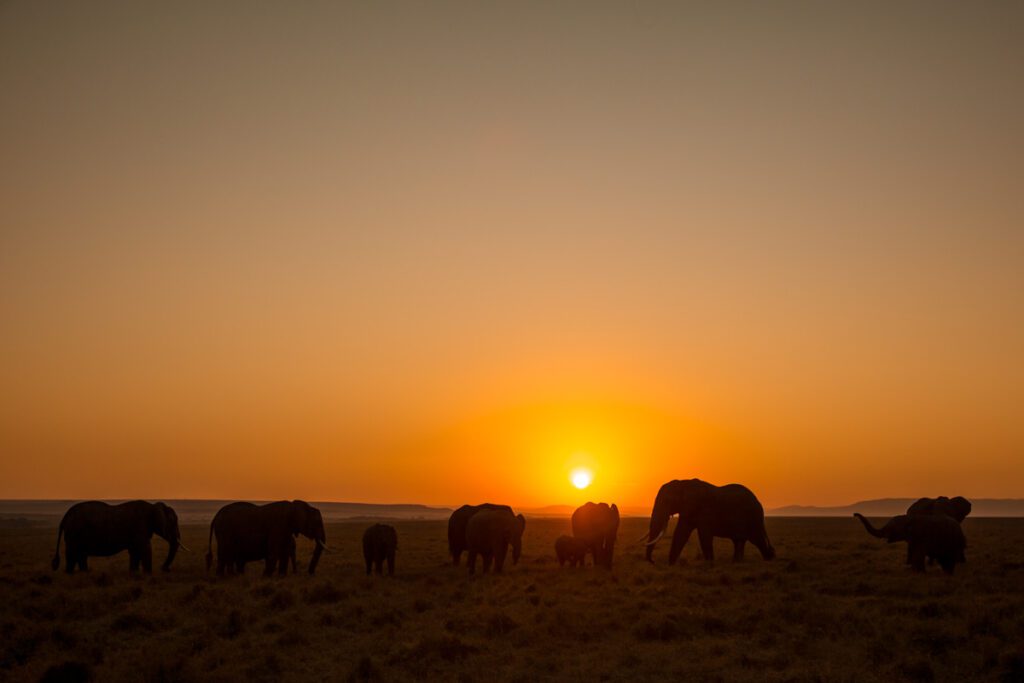
Sunrise is also perfect for scenic landscape photography in the Masai Mara. Imagine framing elephants against the horizon or a lone acacia tree painted pink by the morning sky, shots like these tell a story and elevate your Masai Mara photography tour experience.
Start your day right, and every frame from your safari will carry that warm, magical touch only the Masai Mara can offer.
Early Wildlife Activity and Big Cat Capture on Morning Game Drives
Morning game drives in Masai Mara are strategically planned around predator behavior. Lions, cheetahs, and leopards remain active in cooler temperatures, giving you strong opportunities for action photography.
A dedicated Masai Mara wildlife photography tour focuses on:
- Lions returning from a hunt
- Cheetahs scanning the horizon
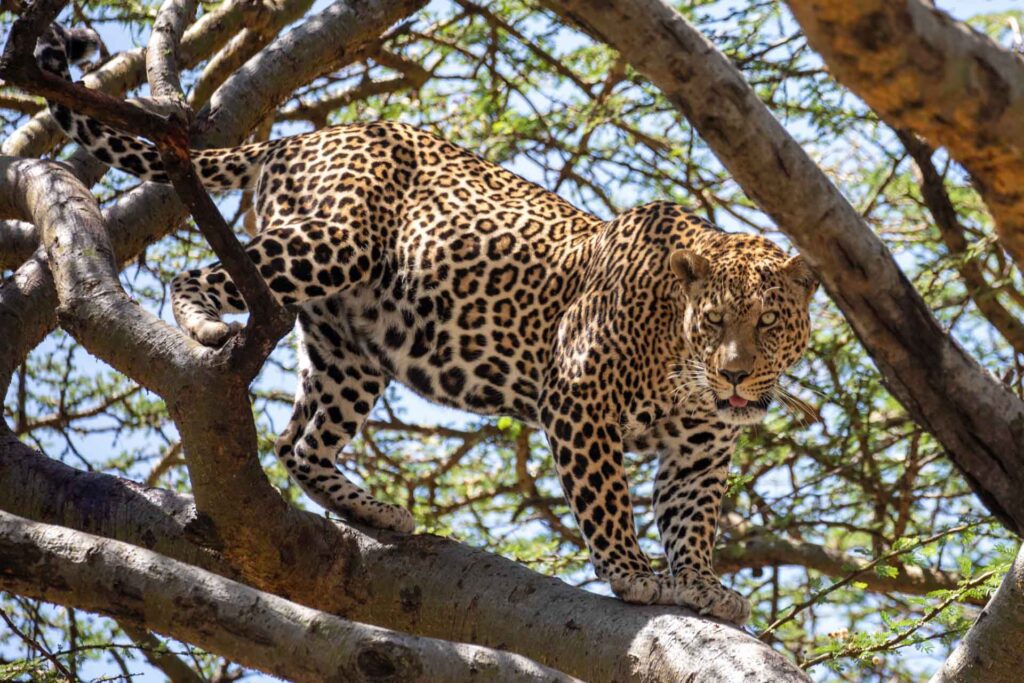
- Leopards resting on tree branches
- Hyenas competing over prey
During this phase, focus on:
- Fast shutter speeds (1/1600 or higher for action)
- Continuous autofocus tracking
- Shooting at eye level for dramatic portraits
- Anticipating movement rather than reacting late
Patience transforms a sighting into a portfolio-worthy frame. A lion’s yawn, a cub’s playful leap, or a cheetah’s sprint delivers far stronger images than static poses. This is where your Masai Mara photography tour package for wildlife enthusiasts truly shines.
Scenes of the Midday Hours with Close-Up Details
Midday light feels harsh, but you can use it creatively. Instead of chasing predators, shift your focus.
During your Masai Mara photography safari, midday becomes an opportunity to slow down and explore creative perspectives that add depth to your portfolio. Instead of focusing on fast action, you concentrate on composition, contrast, and storytelling details that complete your safari narrative:
- Vast sweeping landscapes that highlight the scale of the savannah
- High-contrast black and white conversions for dramatic impact
- Animal textures and patterns that stand out in strong light
- Bird photography with clear skies as clean backdrops
You can experiment with:
- Silhouettes against bright skies for bold compositions
- Detail shots of elephant skin showcasing texture and character
- Zebra stripe abstracts that create graphic visual interest
- Vultures circling above, framed against deep blue skies
Many photographers overlook midday opportunities during a Masai Mara photography tour, but this is when storytelling expands. You move from action to artistry.
Pause during this time to:
- Review and back up your images to secure your work
- Recharge camera batteries and organize memory cards
- Clean lenses and sensors for sharper afternoon shots
- Relax and refresh before the next game drive
This break strengthens your overall experience. You return to the plains with renewed focus, clear equipment, and a sharper creative vision, fully prepared for the golden light and wildlife activity that awaits in the afternoon.
Afternoon Safari: Herds, The Great Migration, and Action Shots
As temperatures begin to drop, the savannah comes alive again. Wildlife regains energy, herds start moving, and predator activity increases. If you schedule your Masai Mara photography tour during the Great Migration season, afternoons often deliver some of the most dramatic wildlife spectacles
You may capture:
- Wildebeest river crossings filled with tension and chaos
- Dust-filled elephant marches glowing in warm light
- Gazelles leaping mid-air across open plains
- Dramatic predator pursuits unfolding in real time
This is the high-adrenaline phase of your Masai Mara photography safari. Movement becomes faster, interactions become intense, and storytelling becomes dynamic. You are no longer waiting for moments, you are tracking them.
To freeze action:
- Increase shutter speed for sharp motion capture
- Use burst mode to capture full movement sequences
- Frame slightly wider to allow space for motion
- Focus on storytelling sequences instead of single shots
Afternoon light adds warmth and depth to your images. Dust rises behind moving herds and glows beautifully in backlight. Golden tones soften the scene while still preserving contrast, creating cinematic frames that stand out in your portfolio.
Strategic guides ensure positioning is perfect, light direction is considered, and background clarity enhances your shots. You anticipate angles, prepare for action, and stay ready for defining frames that capture the spirit of your Masai Mara photography safari.
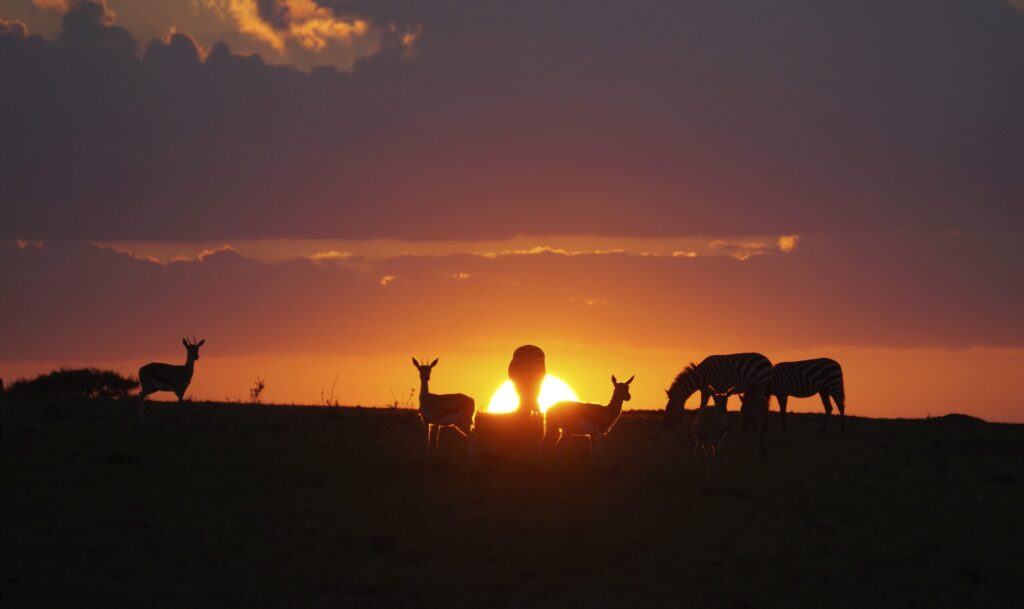
Sunset and Golden Hour: The Most Iconic Phase of a Masai Mara Photography Tour
Golden hour remains the most photogenic phase of any Masai Mara photo safari. As the sun lowers, warm amber light wraps around wildlife and the landscape, creating depth, glow, and powerful contrast. The plains transform into a canvas of gold, orange, and crimson, giving you some of the most iconic frames of your Masai Mara photography tour.
Here’s how to make the most of golden hour:
- Lower your exposure slightly for richer, more saturated colors
- Capture silhouettes for bold and dramatic contrast
- Experiment with lens flare creatively for atmosphere
- Focus on minimalistic compositions with clean horizons
This phase defines every high-quality Masai Mara photography tour. An elephant silhouette, a lion against a fiery sky, or birds flying across the horizon can become your signature shot.
Light changes quickly. Stay alert. Move efficiently. Trust your guide’s instinct for positioning.
As darkness falls, the sky shifts to deep blues and purples. If conditions allow, you can experiment with twilight photography and long exposures.
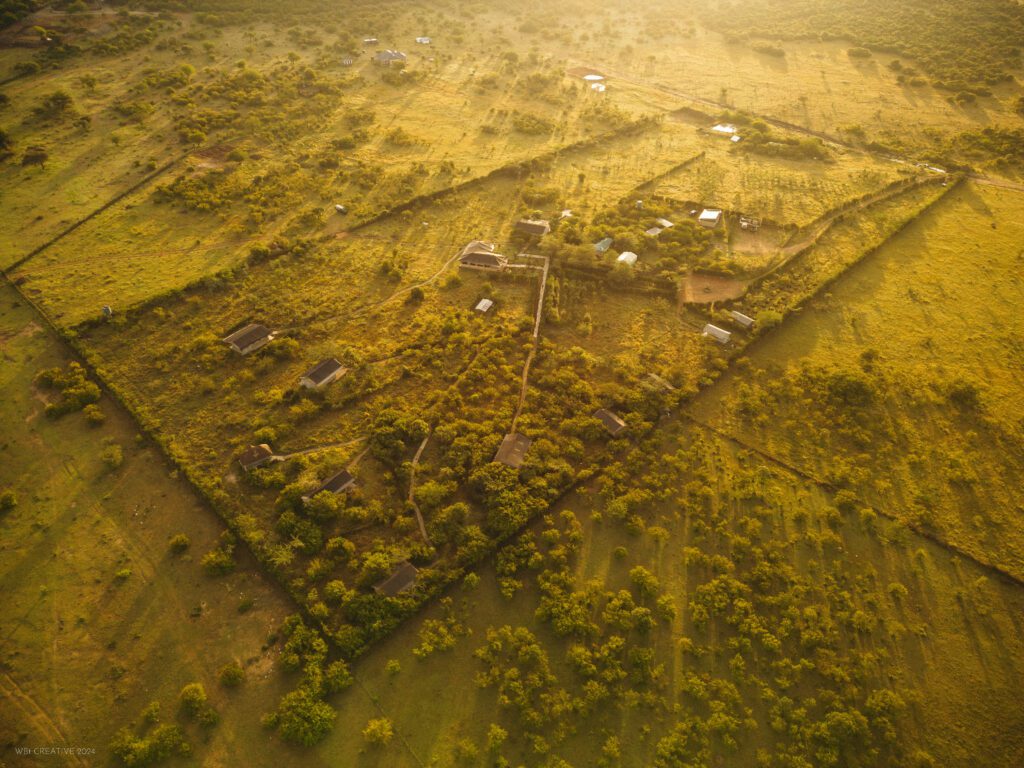
Making the Most of Your Day: Mara Siligi Camp Amenities for Photographers
A truly memorable Masai Mara photography tour is shaped not only by wildlife sightings but also by the comfort, flexibility, and support you have throughout the day. Mara Siligi Camp is designed with photographers in mind, offering:
- Strategic location close to prime wildlife zones
- Flexible game drive schedules based on light conditions
- Experienced guides who understand photographers’ needs
- Spacious safari vehicles with clear shooting angles
- Charging points for camera gear
- Comfortable tents for rest and editing
Location matters. Being close to active wildlife areas reduces travel time and increases shooting time during golden hours. Flexible scheduling ensures you do not miss early sunrise departures or late sunset opportunities during your Masai Mara photography safari.
Your guide understands positioning, light direction, and animal behavior. Instead of rushing through sightings, you stay longer when the moment demands patience. The vehicles allow stable shooting and unobstructed views, making your Masai Mara wildlife photography tour smoother and more productive.
After each drive, you return with fresh inspiration. You review your captures, back up your files, clean your gear, and prepare for the next session. This rhythm of shoot, refine, and reset strengthens your overall Masai Mara photography tour experience.
Everything feels seamless. You focus entirely on composition, timing, and creativity , while mara siligi camp ensures the logistics, comfort, and support align perfectly with your photography goals.
Final Thoughts: Turning a Day into a Portfolio
A full day in the Masai Mara offers more than wildlife encounters. It gives you layered storytelling opportunities from dawn to dusk.
When you choose the right Masai Mara photography tour packages, you gain:
- Prime wildlife positioning
- Personalized attention
- Flexible schedules
- A photographer-friendly camp environment
Every sunrise sets the stage. Every predator encounter builds excitement. Every sunset seals the memory.
Your camera becomes your storyteller.
Your safari becomes your masterpiece.
If you are ready to plan a Masai Mara photography tour with expert guidance and a photographer-focused stay, mara siligi camp welcomes you to experience the wild through your lens.
FAQs
A professional photography safari Masai Mara is ideal if you want focused guidance, strategic vehicle positioning, and flexible game drives built around light conditions.
The best time for wildlife photography in Masai Mara is during the dry season (July–October) when visibility is high and migration activity peaks. Early mornings and late evenings offer the most dramatic lighting conditions.
Golden hour photography in Masai Mara creates warm tones, strong silhouettes, and cinematic wildlife frames. The soft sunset light transforms ordinary sightings into portfolio-worthy images.