Masai Mara Photography Tour: Capturing Zebra and Wildebeest Herds
The Masai Mara is one of Africa’s most celebrated wildlife photography destinations, offering incredible opportunities to capture zebra and wildebeest herds in their natural habitat. From peaceful grazing scenes to the dramatic spectacle of the Great Migration, these animals create photographs that showcase the scale, movement, and beauty of the African wilderness.
At Mara Siligi Camp, we believe herd photography tells one of the most compelling stories of the Mara. In this guide, we’ll share the best times to photograph zebras and wildebeest, practical photography tips, and insights to help you make the most of your Masai Mara photography tour.
Table of Contents
- Why Zebra and Wildebeest Photography Is a Highlight of the Masai Mara
- Best Times to Photograph Herds in the Masai Mara
- Capturing the Great Migration Through Your Lens
- Photography Techniques for Stunning Herd Images
- Why Your Safari Camp Influences Your Photography Experience
- Plan Your Photography Safari with Mara Siligi Camp
Why Zebra and Wildebeest Photography Is a Highlight of the Masai Mara
When most people think about wildlife photography in Africa, they immediately picture lions, leopards, and cheetahs. While these predators are undoubtedly exciting to photograph, some of the most visually striking and storytelling-rich images come from photographing zebra and wildebeest herds.
At Mara Siligi Camp, we often see guests arrive hoping to photograph big cats, only to leave with some of their favorite images featuring thousands of animals moving across the savannah. Herd photography showcases the scale, movement, and beauty of the Masai Mara ecosystem in a way that individual wildlife portraits simply cannot.
A Masai Mara photography tour gives you the opportunity to capture scenes that are difficult to find anywhere else in the world. Imagine photographing endless lines of zebras stretching toward the horizon or a massive wildebeest herd moving through golden grasslands beneath dramatic African skies. These moments create photographs that tell a bigger story about life in the wild.
Unlike isolated wildlife sightings, herd photography helps you capture the rhythm of the ecosystem. It allows you to showcase animal behavior, migration patterns, and the relationship between wildlife and the landscape. For photographers looking to create meaningful safari images, zebra and wildebeest herds offer endless creative possibilities.
Best Times to Photograph Herds in the Masai Mara
Timing can make a significant difference in wildlife photography. While zebras and wildebeest can be photographed throughout much of the year, the quality of your images often depends on when you head out for game drives. Light, animal behavior, and weather conditions all influence the final result.
At Mara Siligi Camp, we recommend planning your photography sessions around the golden hours of the day. During these periods, wildlife is generally more active, temperatures are cooler, and the natural light creates ideal conditions for capturing stunning safari photographs.
Time of Day | Photography Benefits | What You Can Capture |
Early Morning (6:00 AM – 9:00 AM) | Soft golden light, active wildlife, cooler temperatures | Grazing herds, sunrise scenes, misty landscapes, wildlife portraits |
Midday (10:00 AM – 3:00 PM) | Bright light and clear visibility | Large herd movements, environmental shots, landscape photography |
Late Afternoon (4:00 PM – 6:30 PM) | Warm lighting, dramatic shadows, increased animal activity | Herd movement, golden-hour portraits, dust-filled scenes, silhouettes |
Sunset (6:00 PM onwards) | Rich colors and dramatic skies | Sunset silhouettes, scenic landscapes, artistic wildlife compositions |
Early Morning Photography
The hours shortly after sunrise are often considered the most rewarding for wildlife photographers. The soft golden light enhances colors across the savannah and helps create images with beautiful contrast and detail.
Morning game drives offer opportunities to photograph:
- Grazing herds in golden light
- Wildlife against sunrise backdrops
- Misty savannah landscapes
- Active animal behavior before temperatures rise
- Peaceful scenes with fewer distractions
These conditions help create photographs that feel natural, immersive, and visually appealing while showcasing the beauty of the Masai Mara ecosystem.
Late Afternoon and Sunset Photography
As temperatures begin to cool, zebras and wildebeest become more active, creating excellent opportunities for dynamic wildlife photography. The warm afternoon light adds depth, texture, and atmosphere to every frame.
During this time, you may encounter:
- Herds moving across open plains
- Dust-filled scenes illuminated by golden sunlight
- Silhouettes against colorful sunsets
- Long shadows that add depth to images
- Wildlife interactions during evening activity
At Mara Siligi Camp, we encourage guests to make the most of these golden-hour opportunities because they consistently produce some of the most memorable safari photographs and wildlife images from the Masai Mara.
Capturing the Great Migration Through Your Lens
For many wildlife photographers, witnessing the Great Migration is a once-in-a-lifetime experience. Every year, millions of wildebeest, zebras, and other grazing animals move across the Serengeti-Mara ecosystem in search of fresh grazing grounds, creating one of the world’s most spectacular wildlife events.
A Masai Mara photography tour during migration season offers an extraordinary opportunity to capture one of nature’s greatest wildlife spectacles. For travelers seeking Great Migration photography opportunities in Masai Mara, this annual event provides endless chances to photograph dramatic wildlife action, breathtaking landscapes, and the remarkable journey of thousands of animals moving across the plains.
The migration is far more than a gathering of large herds. It is a story of survival, instinct, and movement, giving photographers the opportunity to document some of Africa’s most iconic wildlife moments.
During migration season, you may photograph:
- Thousands of animals moving across the plains
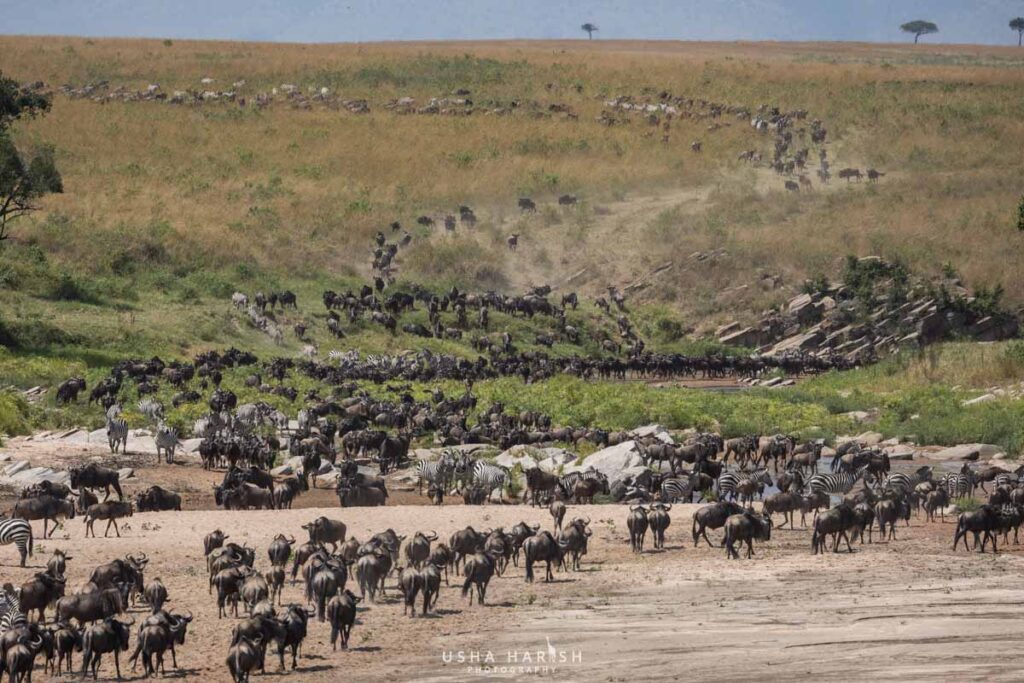
- Long lines of zebras creating natural patterns
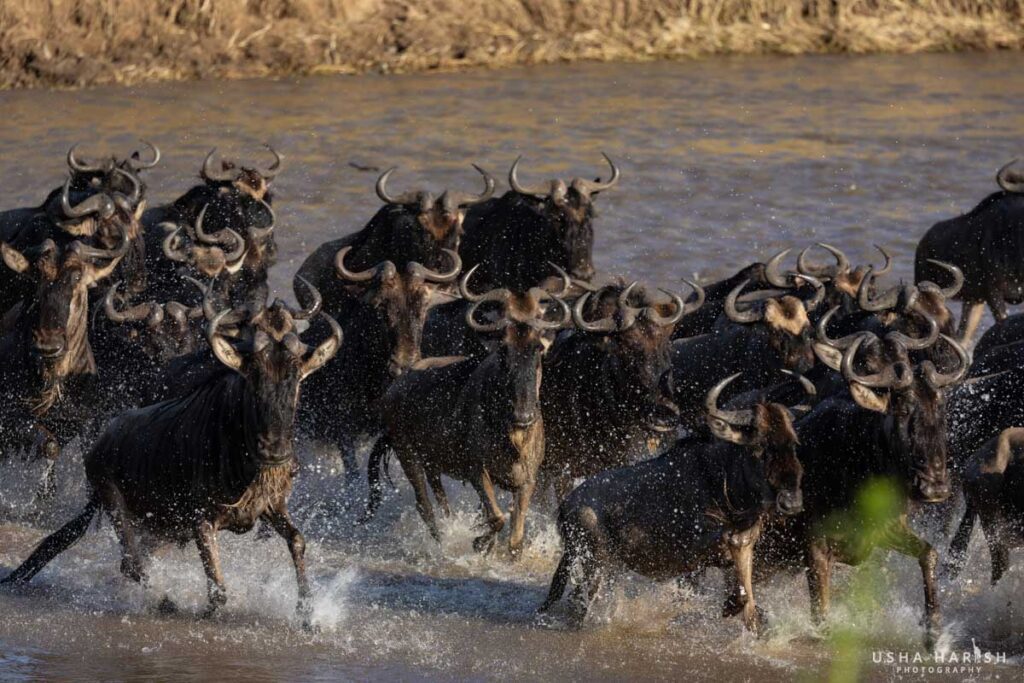
- River crossing moments filled with action
- Predator-prey interactions
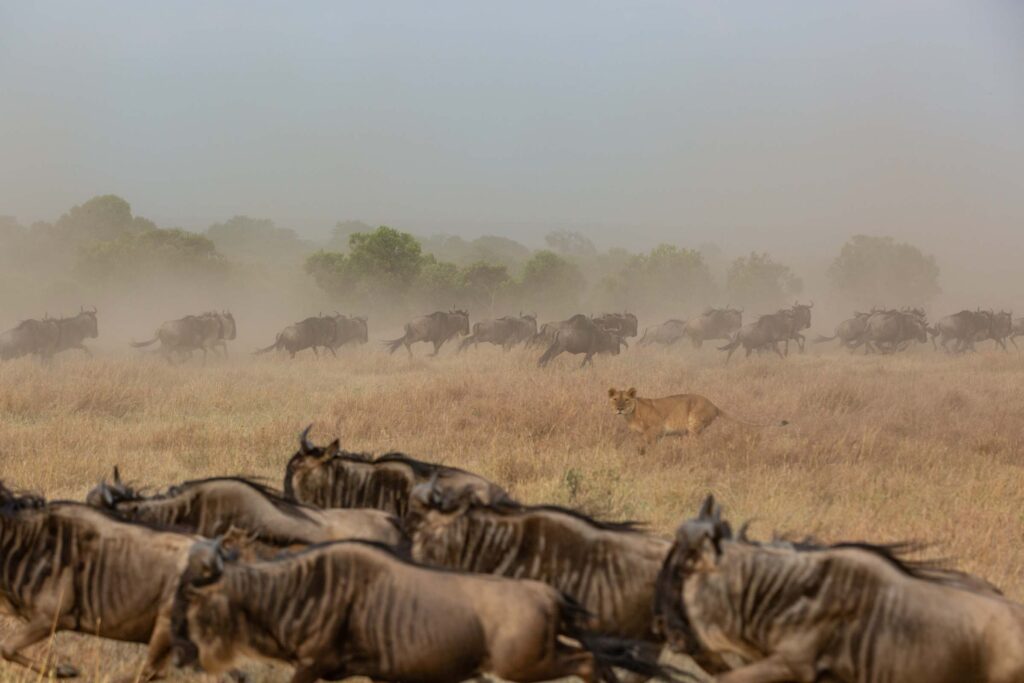
- Dust clouds generated by moving herds
- Panoramic landscapes featuring wildlife at scale
One of the reasons migration photography is so rewarding is the variety it offers. A single game drive can provide opportunities for landscape photography, wildlife portraits, action photography, and storytelling images.
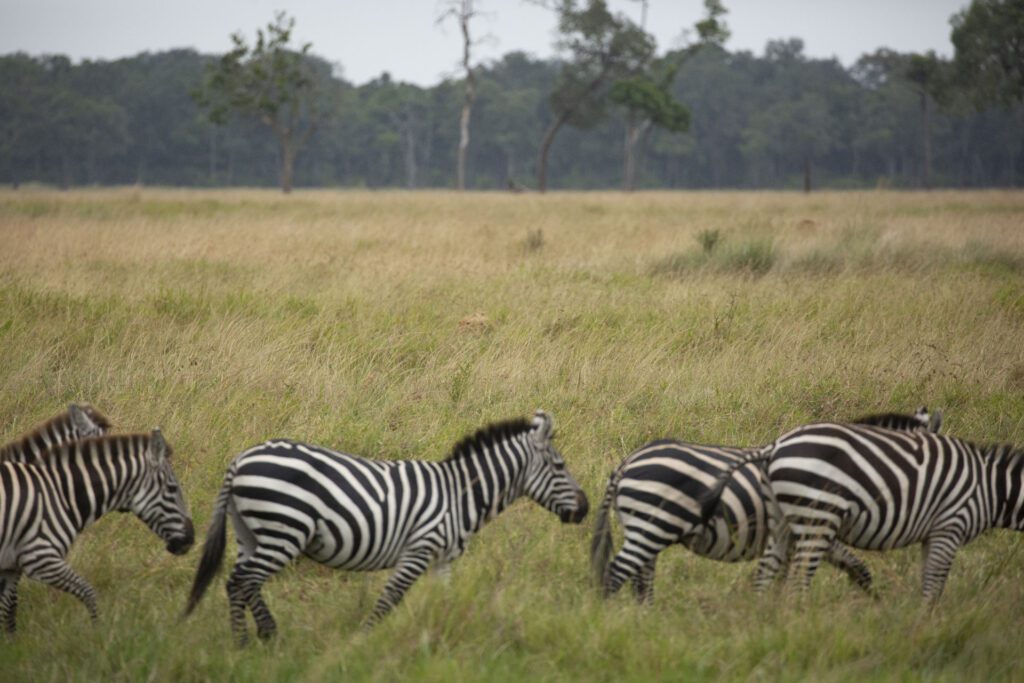
Zebras play a particularly important role in creating visually striking photographs. Their distinctive black-and-white stripes create contrast against the golden savannah and naturally draw attention within a composition. Whether photographed individually or within large groups, they add a unique visual element that enhances wildlife images.
For photographers seeking iconic African safari photographs, few experiences compare to documenting the migration in the Masai Mara.
Photography Techniques for Stunning Herd Images
Photographing zebra and wildebeest herds is very different from photographing a single lion or elephant. When you are faced with hundreds or even thousands of animals spread across the savannah, your goal is not just to capture the animals themselves but also to tell the story of the landscape, movement, and scale of the Masai Mara ecosystem.
For travelers interested in a wildlife photography safari in Masai Mara, herd photography provides some of the most rewarding and visually dramatic opportunities. The combination of vast open landscapes, moving wildlife, and changing natural light allows you to create photographs that showcase the true scale of the African wilderness. Whether you are documenting migration season or photographing grazing herds against the savannah backdrop, these scenes often become the standout images from your safari.
The best herd photographs create a sense of place and allow viewers to appreciate the incredible wildlife spectacle unfolding before them. By focusing on composition, movement, and natural behavior, you can create images that feel immersive, memorable, and representative of an authentic safari experience.
Include the Landscape in Your Composition
One of the most common mistakes photographers make is zooming in too closely on the animals. While close-up shots certainly have their place, some of the most striking wildlife photographs show the relationship between the herd and its surroundings.
The vast plains of the Masai Mara are part of what makes herd photography so special. Including elements of the landscape helps showcase the scale of the environment and creates a stronger visual story.
Consider incorporating:
- Acacia trees that define the African savannah
- Rolling grasslands stretching toward the horizon
- Riverbanks and crossing points
- Dramatic cloud formations
- Sunrise and sunset skies
- Dust trails created by moving animals
By combining wildlife with the surrounding scenery, your photographs become more than simple animal portraits, they become images that capture the essence of a safari experience.
Capture Movement and Natural Behavior
Large herds are constantly on the move, which creates exciting opportunities for dynamic wildlife photography. Rather than waiting for animals to stop, look for moments that highlight movement and interaction within the herd.
As zebras and wildebeest travel together across the plains, they naturally create patterns, leading lines, and action-filled scenes that can transform an ordinary photograph into a compelling image.
Look for opportunities to photograph:
- Animals walking in formation
- Herds moving across open landscapes
- Dust clouds illuminated by golden light
- River crossing moments
- Interactions between zebras and wildebeest
- Young animals staying close to their mothers
Images that show movement often feel more authentic because they reflect how these animals behave in the wild.
Focus on Patterns, Contrast, and Repetition
Zebras are among the most photogenic animals in Africa because of their distinctive striped coats. Their natural patterns create endless creative possibilities for photographers.
Instead of always photographing an entire herd, take time to look for details and unique compositions. Repeating stripes, overlapping animals, and contrasting colors can create visually powerful images that immediately draw attention.
Some ideas to explore include:
- Repeating stripe patterns within a herd
- Close-up zebra portraits
- Mother and foal interactions
- Contrasts between zebras and golden grasslands
- Different species sharing the same frame
- Tight compositions that emphasize texture and detail
These photographs often stand out because they offer a fresh perspective and showcase the artistic side of wildlife photography.
Be Patient and Observe the Scene
Patience is one of the most valuable skills any wildlife photographer can develop. While it can be tempting to constantly search for the next sighting, some of the best photographs come from staying in one location and observing animal behavior.
Take time to study the herd, watch how the animals interact, and anticipate moments before they happen. Changes in lighting, movement, and positioning can quickly transform a good composition into a great one. During a Masai Mara photography tour, slowing down and allowing a scene to unfold naturally often leads to more authentic and visually compelling wildlife images.
At Mara Siligi Camp, our guides often encourage guests to spend more time with a sighting rather than rushing ahead in search of the next animal. This approach not only increases your chances of capturing unique wildlife behavior but also helps you develop a deeper appreciation for the ecosystem around you.
The combination of patience, observation, and timing often leads to the most rewarding images—photographs that showcase not just wildlife, but the story, movement, and beauty of life on the Masai Mara plains.
Why Your Safari Camp Influences Your Photography Experience
Many travelers focus exclusively on choosing the right destination while overlooking the importance of selecting the right safari camp. In reality, your accommodation plays a major role in determining how much time you spend photographing wildlife and how comfortable your overall experience will be.
At Mara Siligi Camp, we understand that photographers need more than comfortable accommodation. They need easy access to wildlife-rich areas, knowledgeable guides, and the flexibility to make the most of prime photography hours.
How the Right Camp Supports Better Photography
When you stay with us, you benefit from:
- Convenient access to key wildlife viewing areas
- Early morning game drive opportunities
- Experienced guides who understand animal behavior
- Comfortable accommodations after long days in the field
- Peaceful surroundings that enhance your connection with nature
Being closer to wildlife hotspots means spending less time traveling and more time focusing on photography.
Many travelers researching Masai Mara photography tour packages are looking for this balance of comfort, accessibility, and authentic safari experiences. The right camp allows you to maximize your wildlife encounters while enjoying a relaxing and memorable stay.
Our goal is to help you experience the Masai Mara in a way that feels immersive, rewarding, and deeply connected to the landscape around you.
Plan Your Photography Safari with Mara Siligi Camp
Whether you are an experienced wildlife photographer or simply enjoy documenting your travels, zebra and wildebeest herd photography offers some of the most rewarding experiences in the Masai Mara.
From dramatic migration scenes and striking zebra patterns to expansive landscapes filled with wildlife, every game drive presents new opportunities to capture unforgettable images. The combination of abundant wildlife, beautiful lighting, and breathtaking scenery makes the Mara one of the world’s premier wildlife photography destinations.
At Mara Siligi Camp, we are passionate about helping our guests experience the beauty of the African wilderness while creating memories they can take home through photography. Our location, knowledgeable guides, and authentic safari experience make it easier for you to focus on what matters most, enjoying the adventure and capturing incredible moments.
If you are planning a Masai Mara photography tour, we invite you to join us and discover why photographers from around the world return to the Mara year after year in search of extraordinary wildlife encounters.
Ready to Photograph the Great Herds of the Masai Mara?
Stay with us at Mara Siligi Camp and experience unforgettable wildlife sightings, breathtaking landscapes, and photography opportunities that will remain with you long after your safari comes to an end.
FAQs
The best times are early morning and late afternoon when wildlife is most active and the natural light is soft and golden. These conditions help photographers capture dramatic herd movements, beautiful landscapes, and stunning wildlife portraits.
Yes. The Masai Mara offers excellent photography opportunities for all skill levels. Whether you use a professional camera or a smartphone, the abundance of wildlife, open landscapes, and expert-guided game drives make it easy to capture memorable images.
Zebra and wildebeest herds showcase the scale and movement of the Masai Mara ecosystem. Their natural behaviors, migration patterns, and striking visual contrasts create powerful images that tell a complete story of life on the African savannah.