Masai Mara Photography Tour Focused on Newborn Wildlife
There is a quieter, more intimate side to the wild that often goes unnoticed. It doesn’t announce itself with dramatic chases or crowded sightings. Instead, it unfolds slowly in the first steps of a newborn, in the protective movements of a herd, and in the subtle connections that define life in the wild. If you choose a Masai Mara photography tour with this perspective in mind, your experience becomes less about ticking off sightings and more about truly understanding what you are witnessing.
In the Masai Mara, especially during the green season, life feels abundant and layered. This is a time when many species give birth, and the plains become a living narrative of beginnings. For you, this opens up a unique opportunity not just to photograph wildlife, but to capture emotion, behavior, and the rhythm that connects every member of the herd.
Table of Contents
- Why Focus on Newborn Wildlife and Herd Dynamics in a Masai Mara Photography Tour
- Understanding the Rhythm of the Herd in Masai Mara
- Best Time to Photograph Newborn Wildlife During Your Masai Mara Photography Tour
- How to Photograph Newborn Wildlife Without Disturbing Natural Behavior
- Camera Techniques to Capture Herd Movement and Emotional Moments
- How Staying at Mara Siligi Camp Enhances Your Photography Experience
Why Focus on Newborn Wildlife and Herd Dynamics in a Masai Mara Photography Tour
When most travelers think of a Masai Mara photography tour, they imagine dramatic predator action or large-scale wildlife spectacles. While those moments are undeniably powerful, they are only one part of the story.
Focusing on newborn wildlife introduces a completely different dimension to your photography. It allows you to capture:
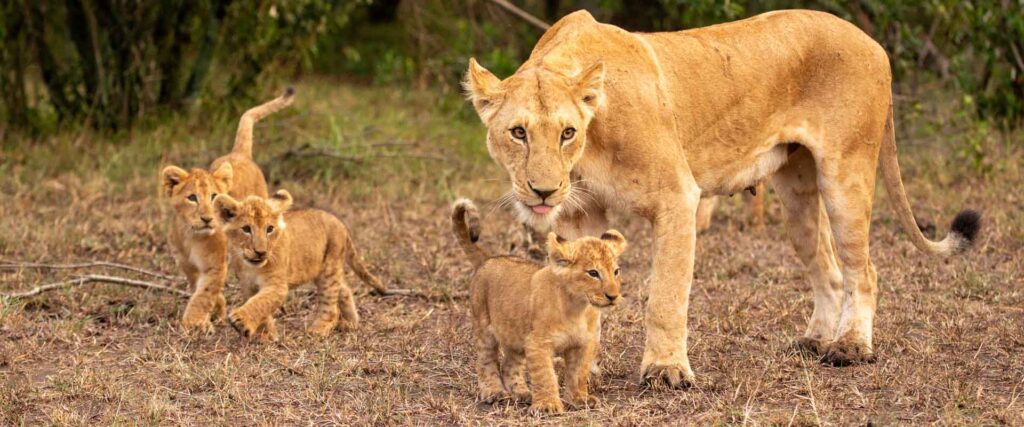
- Tender interactions between mother and young
- Protective behavior within herds
- The vulnerability and curiosity of early life
These are moments that feel deeply human in their emotion, even though they unfold in the wild. They bring a sense of connection to your images something that goes beyond visual impact.
At the same time, herd dynamics add structure to your storytelling. You’re no longer photographing isolated subjects; you’re capturing relationships. The way a herd moves, protects, and responds to its environment becomes part of your frame. This layered approach transforms your photography from simple documentation into something far more meaningful.
To make the most of this experience, your approach should naturally shift toward:
- Observing herd movement patterns before taking the shot
- Framing subjects within their environment for deeper storytelling
- Waiting for interaction rather than just capturing presence
- Prioritizing emotion, connection, and behavior over action
Whether you are planning a Masai Mara wildlife photography tour, or looking for a guided photography safari in Masai Mara, this perspective helps you create images that feel intentional and memorable.
For photographers looking for depth, this focus makes your Masai Mara photography tour far more rewarding.
Understanding the Rhythm of the Herd in Masai Mara
The rhythm of the herd is subtle, but once you begin to notice it, everything changes. Herd animals operate with a shared awareness. Their movements are not random they are guided by instinct, communication, and survival.
When a newborn is present, this rhythm becomes even more pronounced.
You’ll begin to observe patterns such as:
- Adults forming protective barriers around the young
- Slower, more deliberate movement across the plains
- Frequent pauses for feeding and bonding
- Heightened alertness to potential threats
For example, elephant herds are known for their strong social bonds. When a calf is born, the entire group adjusts. Older members often take on protective roles, while the mother remains close, guiding and nurturing the young. Zebras and wildebeest display similar patterns, staying tightly grouped to shield their vulnerable members.
As a photographer, your role is not just to observe these behaviors but to anticipate them. On a well-planned Masai Mara photography tour, this understanding allows you to position yourself more effectively, wait for the right moment, and capture interactions that feel authentic and unscripted.
Best Time to Photograph Newborn Wildlife During Your Masai Mara Photography Tour
Timing plays a crucial role in shaping your experience.
Early mornings and late afternoons are the most productive times for wildlife photography. During these hours, the light is softer, and the animals are more active. For newborns, this is when you are most likely to witness:
- First movements of the day
- Feeding and bonding behavior
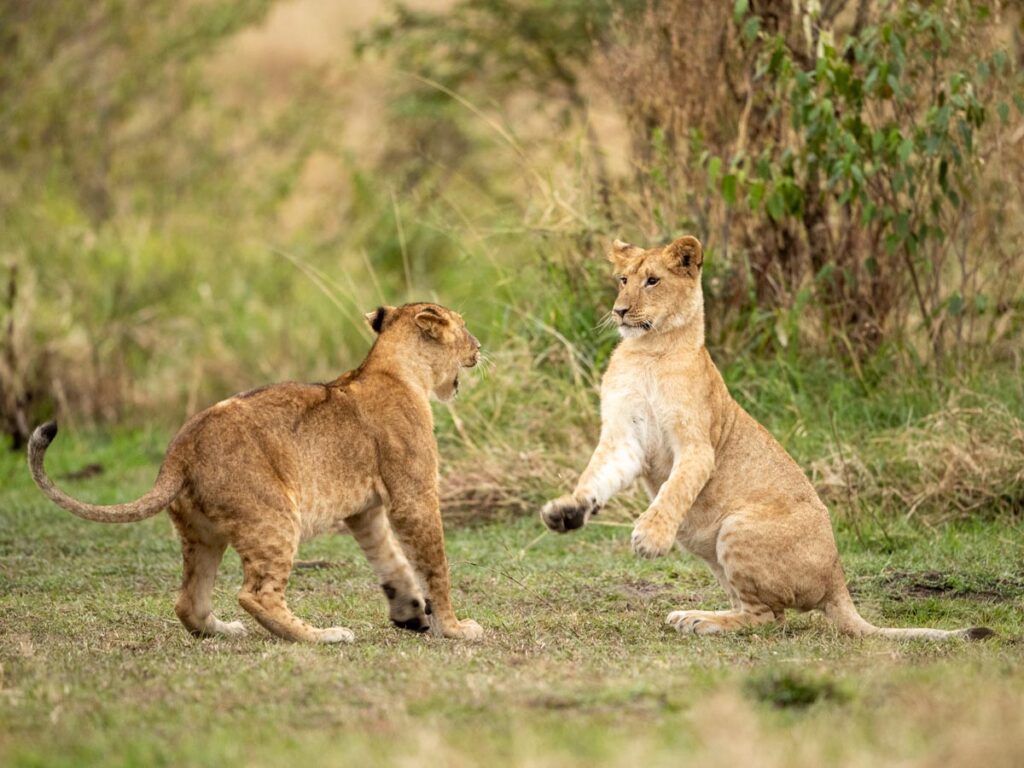
- Playful interactions within the herd
Seasonally, the green months especially around May and June are particularly rewarding. The landscape is lush, water is abundant, and many species give birth during or just after the rains. This creates a natural environment where life feels renewed and constantly in motion.
Choosing the right Masai Mara photography tour packages during this period ensures that you are not only present at the right time but also guided in a way that maximizes your opportunities.
How to Photograph Newborn Wildlife Without Disturbing Natural Behavior
Photographing newborn wildlife requires sensitivity. Unlike adult animals, newborns are more vulnerable, and herds are naturally protective. Your approach needs to reflect this understanding.
The key is to blend observation with restraint.
Instead of moving aggressively to get closer, allow the scene to come to you. Maintain a respectful distance and rely on your lens to bring the subject into focus. Sudden movements or noise can disrupt natural behavior, not just for the newborn but for the entire herd.
Patience becomes your greatest asset. Spend time watching how the animals interact. Notice the small signals a shift in posture, a change in direction, a moment of stillness. These often lead to the most meaningful shots.
It’s also important to work closely with your guide. Experienced guides understand animal behavior and can position the vehicle in a way that minimizes disturbance while maximizing your view. On a thoughtfully curated Masai Mara photography tour, this collaboration is what allows you to capture moments that feel genuine and undisturbed.
Camera Techniques to Capture Herd Movement and Emotional Moments
While observation and timing are essential, your technical approach also plays a significant role in how your images turn out.
When photographing newborn wildlife and herd dynamics, consider the following:
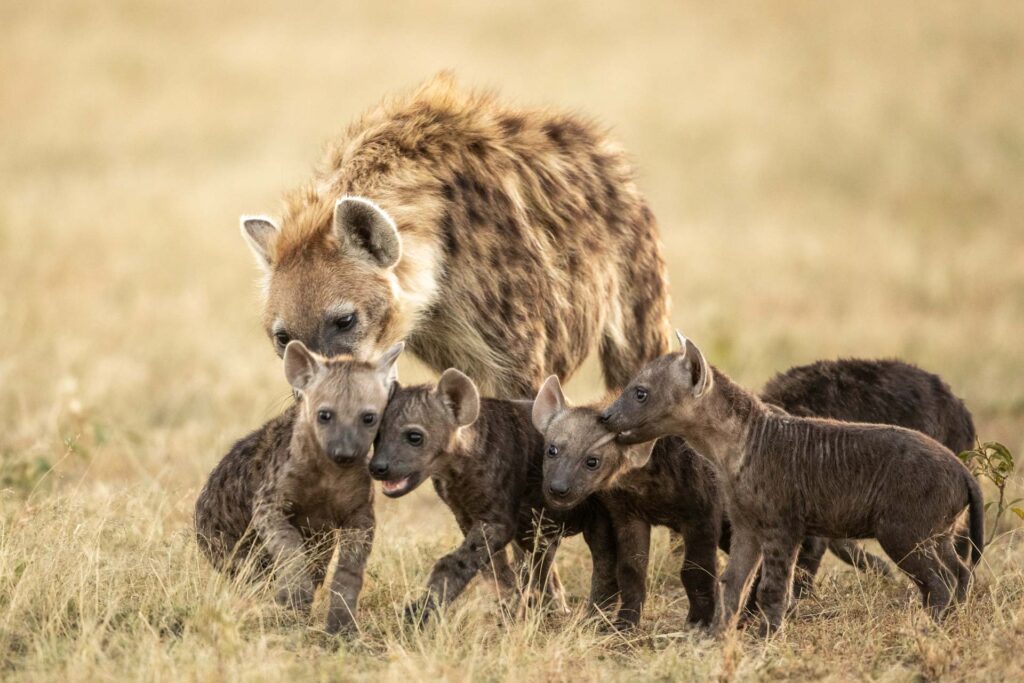
Focus on composition rather than just proximity. Including multiple elements such as the mother, the newborn, and parts of the herd adds context and depth to your image. It tells a story rather than presenting a single subject.
Use a slightly wider frame when possible. This allows you to capture the relationship between the animals and their environment. The open plains of the Masai Mara provide a natural backdrop that enhances your storytelling.
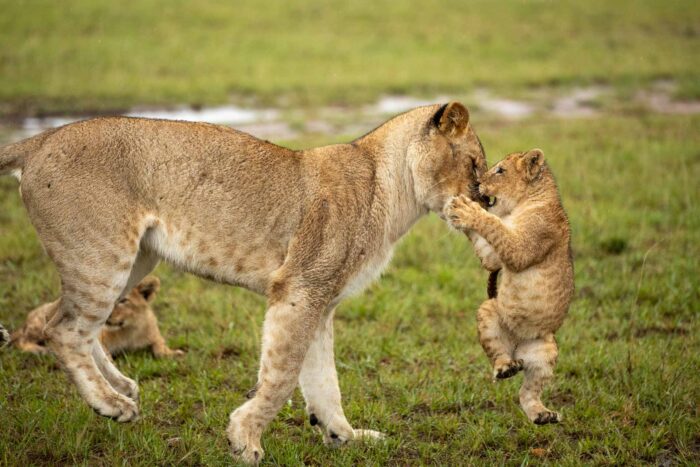
Pay attention to eye level. Shooting at or near the level of the animal creates a more intimate perspective, especially when capturing newborns.
Adjust your shutter speed based on movement. Herd dynamics often involve subtle motion walking, nudging, or playful interactions. A balanced shutter speed helps you retain sharpness while still conveying a sense of movement.
Finally, use light to shape your image. Early morning and late afternoon light adds warmth and softness, enhancing the emotional tone of your photographs. Even slightly overcast conditions can work beautifully, reducing contrast and bringing out textures.
How Staying at Mara Siligi Camp Enhances Your Photography Experience
The success of your Masai Mara photography tour is not just determined by what you see, but by how you experience it. This is where your choice of stay becomes deeply important.
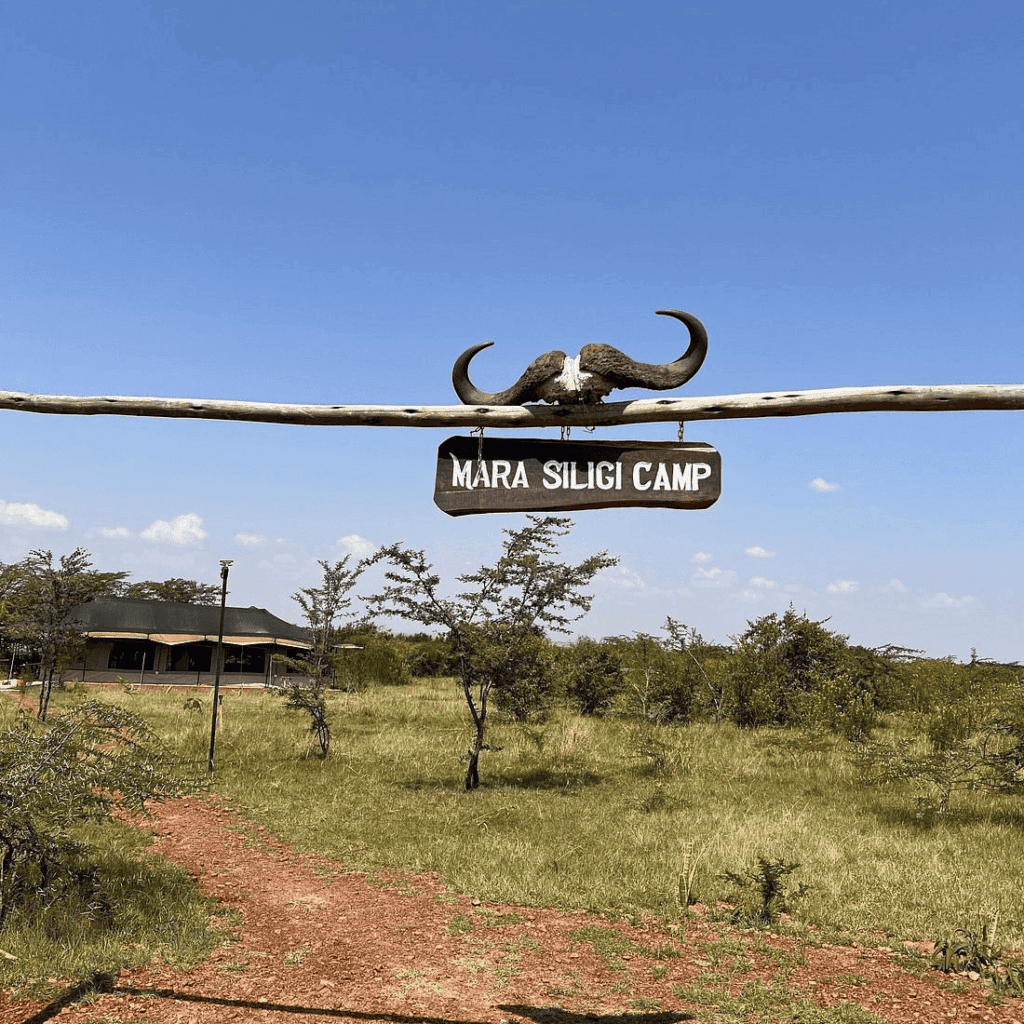
At Mara Siligi Camp, the focus is not on rushing through sightings or maximizing numbers. Instead, the experience is designed to align with the natural rhythm of the Mara.
The camp offers a setting that feels integrated with the landscape rather than separate from it. This creates a sense of calm that carries into your game drives. You’re not operating on a strict checklist; you’re moving with intention.
For a Masai Mara photography tour focused on newborn wildlife, this approach makes a significant difference. It allows:
- More time at each sighting
- Better positioning for light and composition
- A quieter, more respectful interaction with wildlife
The guides understand that photography is not just about being present it’s about being present at the right moment. They prioritize patience, observation, and positioning, helping you capture scenes that feel authentic and emotionally resonant.
Between drives, the environment at the camp encourages reflection. You have the space to review your images, think about your next approach, and reconnect with the purpose of your journey. This balance between activity and stillness enhances not just your photography, but your overall experience.
Final Thoughts
A Masai Mara photography tour focused on newborn wildlife and the rhythm of the herd is not about chasing the most dramatic scenes. It’s about discovering the quieter moments that define life in the wild.
It’s about:
- Watching a calf take its first steps
- Observing how a herd protects its young
- Capturing the connection between individuals and their environment
These are the moments that stay with you. They are subtle, often fleeting, but deeply meaningful.
When you approach your journey with this mindset and pair it with the right environment and guidance you begin to see the Mara differently. Not just as a destination, but as a living, breathing story unfolding around you.
And in that space, your photography becomes more than just images. It becomes a reflection of something real, something felt, and something worth remembering.
FAQs
A Masai Mara photography tour offers access to rich wildlife activity, especially during the green season when many animals give birth. The combination of fewer crowds, softer lighting, and more time at sightings allows you to capture authentic interactions between newborns and their herds.
The best time is during early mornings and late afternoons, particularly in the green season (May and June). During this period, the Masai Mara is lush, wildlife is active, and you’re more likely to witness bonding moments, first movements, and herd interactions.
Staying at Mara Siligi Camp enhances your experience by offering a slower, more immersive safari approach. With fewer crowds, expert-guided drives, and better positioning for light and composition, you get more meaningful opportunities to capture newborn wildlife and herd behavior.