Masai Mara Photography Tour in Early May
Planning a Masai Mara photography tour is not just about choosing a destination it’s about choosing the right moment. If you’re considering early May, you’ve probably come across mixed advice. Some travelers dismiss it as off-season, while others quietly claim it’s one of the most rewarding times to visit. So what’s the truth?
If you’re someone who values meaningful wildlife encounters, artistic photography conditions, and a more immersive safari experience, then early May might actually align perfectly with what you’re looking for. This guide walks you through everything you need to know from wildlife sightings and lighting conditions to costs and expectations so you can confidently decide whether booking one of the many Masai Mara photography tour packages during this time is worth it for you.
Table of Contents
- What Makes Early May Unique for a Masai Mara Photography Tour
- Wildlife Sightings in Early May: What You Can Expect
- Pros of a Masai Mara Photography Tour in Early May
- Cons You Should Consider Before Booking
- Is Early May Good for the Great Migration Photography?
- Cost Benefits of Early Season Safari Packages
- Why Staying at Mara Siligi Camp Enhances Your Experience
What Makes Early May Unique for a Masai Mara Photography Tour
Early May marks the transition into the green season in the Masai Mara, a time when the landscape undergoes a striking transformation. The rains that peak in April begin to ease, leaving behind a lush, rejuvenated ecosystem. For you as a photographer, this is not just a seasonal shift it’s an entirely different visual narrative.
Instead of the dry, golden tones that dominate peak-season imagery, you’re greeted with vibrant green plains, layered skies, and a softness in the air that translates beautifully through the lens. The clouds often diffuse the sunlight, reducing harsh shadows and allowing for more balanced exposures. This creates ideal conditions for capturing wildlife portraits, environmental shots, and storytelling frames that feel atmospheric rather than purely documentary.
To understand what truly makes this time special for your Masai Mara photography tour, here are a few defining elements:
- A refreshed, vibrant landscape
The Mara feels alive and full of depth, with greenery adding richness and contrast to every frame. - Dramatic skies and evolving moods
Cloud formations shift throughout the day, helping you capture images that feel dynamic and cinematic. - Soft, diffused natural light
Reduced harsh sunlight allows for better exposure, especially when photographing wildlife details and textures. - A quieter, more intimate safari environment
Fewer vehicles mean fewer distractions, giving you the freedom to compose clean, uninterrupted shots. - More time to observe and anticipate moments
Without the rush of peak-season crowds, you can slow down and focus on behavior, not just sightings.
What truly sets early May apart, however, is the sense of space. Unlike the busier months between July and October, the Mara feels quieter and more intimate. You’re not surrounded by multiple safari vehicles competing for the same sighting. Instead, you often find yourself observing wildlife in near solitude, which significantly enhances both your experience and your ability to compose clean, distraction-free photographs.
When you choose a masai mara photo safari in early May, you’re not just selecting a time you’re choosing a different rhythm. One that is slower, more reflective, and deeply aligned with the natural environment.
Wildlife Sightings in Early May: What You Can Expect
A common concern among travelers is whether early May offers enough wildlife activity to justify the trip. The answer is reassuring: the Masai Mara remains a thriving wildlife destination throughout the year, and May is no exception.
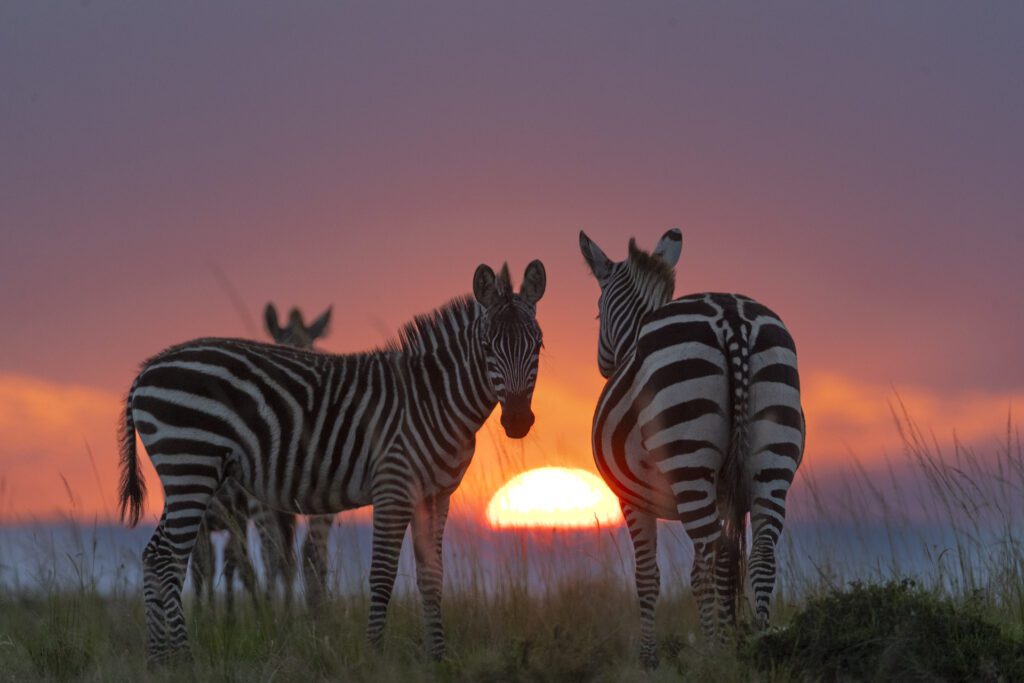
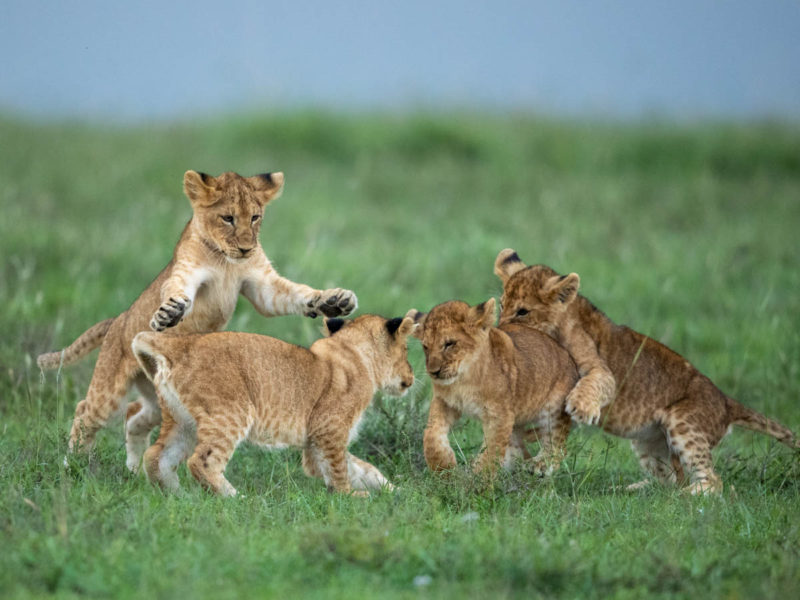
During your game drives, you can expect to encounter a wide range of species. Lions are frequently spotted, often in prides resting in the grasslands or preparing for hunts. Cheetahs, though more elusive, are still present and can sometimes be seen scanning the plains for prey. Elephants move in herds across the landscape, while giraffes, zebras, and various antelope species provide constant movement and visual interest.
Near rivers and water sources, hippos and crocodiles are commonly observed, and the birdlife during this season is particularly rich. The greenery attracts a variety of species, making it an excellent time for bird photography as well.
What differs slightly from peak season is the distribution of wildlife. Animals are not as densely concentrated because water and grazing are more widely available. However, this dispersion often works in your favor. With fewer vehicles around, you gain more time and flexibility at each sighting. You can wait for behavior to unfold naturally, experiment with angles, and focus on capturing moments rather than rushing from one sighting to another.
For many photographers, this results in a more fulfilling experience. Instead of ticking off a checklist, you engage more deeply with each encounter.
Pros of a Masai Mara Photography Tour in Early May
Choosing from the many available masai mara wildlife photography tour in early May comes with several distinct advantages, especially if your priorities extend beyond just seeing wildlife.
- Fewer crowds, cleaner compositions
One of the most significant benefits is the absence of crowds. In peak season, popular sightings can attract multiple vehicles, making it challenging to find a clean composition. In May, you often have the freedom to position yourself optimally without interference. This not only improves your images but also creates a more peaceful and enjoyable safari experience. - Lush landscapes that elevate your shots
The landscape itself becomes a powerful element in your photography. During this time, the Masai Mara is covered in rich greenery, adding depth and texture to every frame. Combined with dramatic cloud formations, your images feel more cinematic and immersive rather than flat or repetitive. - Softer, more forgiving lighting conditions
Lighting in early May works in your favor. The diffused sunlight reduces harsh contrast, helping you retain details in both highlights and shadows. This is especially valuable for wildlife photography, where strong midday light can often wash out details or create unwanted shadows.
Additionally, the pace of your safari tends to be more relaxed. With fewer tourists, guides can spend more time at each sighting, giving you the opportunity to observe behavior and capture a variety of shots. This is invaluable for photographers who are looking to tell a story through their images.
Finally, early May offers excellent value. Many Masai Mara photography tour packages are priced lower during this period, allowing you to access high-quality experiences at a more reasonable cost. This can make a significant difference, especially if you’re planning an extended stay or traveling from India.
Cons You Should Consider Before Booking
While early May has its advantages, it’s important to approach your trip with realistic expectations. Like any travel decision, there are trade-offs to consider.
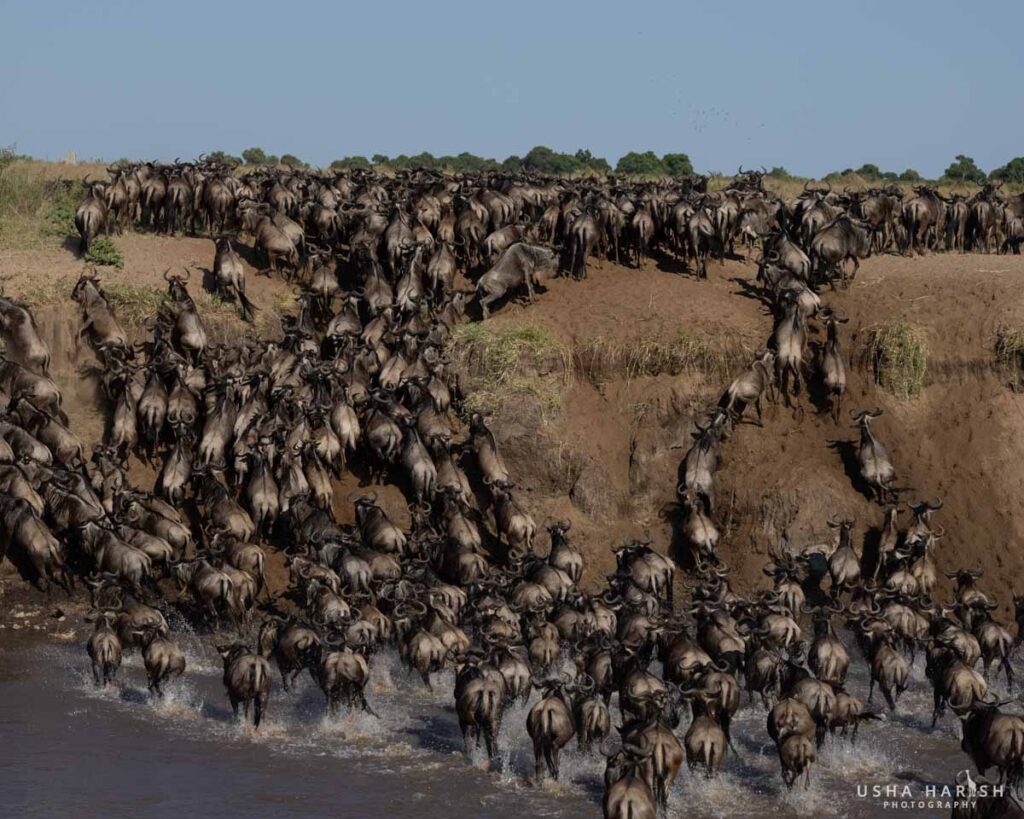
The most notable limitation is the absence of the Great Migration within the Mara during this time. If your primary goal is to photograph dramatic river crossings, you may find May underwhelming. These events typically occur between July and October, when large herds of wildebeest move through the region.
Weather is another factor to keep in mind. Although the heavy rains of April begin to subside, occasional showers are still possible. This can affect game drives and may require some flexibility in your schedule. However, these conditions also contribute to the lush landscape and can create unique photographic opportunities.
Road conditions can also be challenging in certain areas, particularly after rainfall. This may limit access to some parts of the reserve, depending on the terrain and your safari operator.
Lastly, wildlife dispersion means that sightings may require a bit more patience. While animals are still abundant, they are not as concentrated as during peak season. This makes the expertise of your guide even more important.
Is Early May Good for the Great Migration Photography?
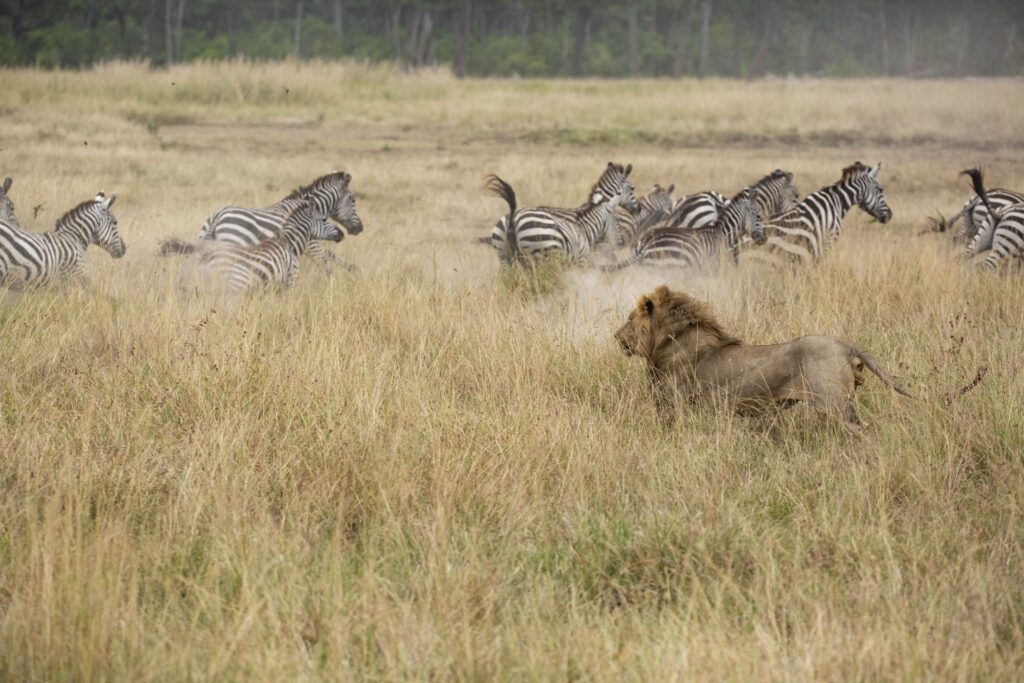
If your vision of a Masai Mara photography tour is centered around the Great Migration, early May may not align with your expectations. The iconic river crossings that define this phenomenon usually take place later in the year, when vast herds of wildebeest and zebras enter the Mara in search of fresh grazing.
In May, these herds are still in other regions, and while you may encounter smaller groups, the large-scale drama is absent. However, this does not mean that the photographic opportunities are limited. Predator activity continues throughout the year, and the quieter environment allows for more intimate and less chaotic encounters.
It’s important to reframe your expectations. Instead of focusing on spectacle, think in terms of storytelling. Early May offers a chance to capture the subtle, often overlooked aspects of the ecosystem interactions, moods, and details that are just as compelling as large-scale events.
To give you a clearer picture, here are some key cost-related advantages you benefit from in early May:
- Lower accommodation rates across camps and lodges, allowing you to access better stays for the same budget
- More value-packed Masai Mara Photography safari packages, often including added experiences or longer game drives
- Greater availability, which means you have more choice rather than settling for what’s left
- Flexibility to extend your stay, helping you capture more varied light and wildlife moments
- Opportunity to invest in specialized guides or private safaris, improving the overall quality of your photography
- Better overall cost-to-experience ratio, where what you gain far outweighs what you spend
When you look at it this way, early May is not just about saving money it’s about using your budget more intelligently.
You’re not just paying less; you’re actually getting more space, more time, and more thoughtful experiences. And for a Masai Mara photography tour, those are the elements that truly make a difference.
Cost Benefits of Early Season Safari Packages
One of the most practical advantages of traveling in early May is the cost. A Masai Mara photography tour during this time is generally more affordable compared to peak months. This applies to accommodation, safari packages, and even flights in some cases.
For you, this means greater flexibility. You can choose better accommodations, extend your stay, or invest in specialized guides without significantly increasing your budget. Many Masai Mara photography tour packages offer excellent value during this period, making it an ideal time for photographers who want a premium experience without peak-season pricing.
This affordability does not come at the expense of quality. In fact, the quieter environment often enhances the overall experience, making it feel more exclusive and personalized.
Why Staying at Mara Siligi Camp Enhances Your Experience
So, is it worth doing a Masai Mara photography tour in early May?
The answer gently comes back to you what kind of experience are you truly seeking? If your focus is on the high drama of the Great Migration, with its powerful river crossings and intense action, then a later season may feel more aligned. But if you are drawn to something quieter, more intentional, and deeply immersive, early May reveals a side of the Mara that feels almost personal.
This is where where you choose to stay begins to shape your entire journey.
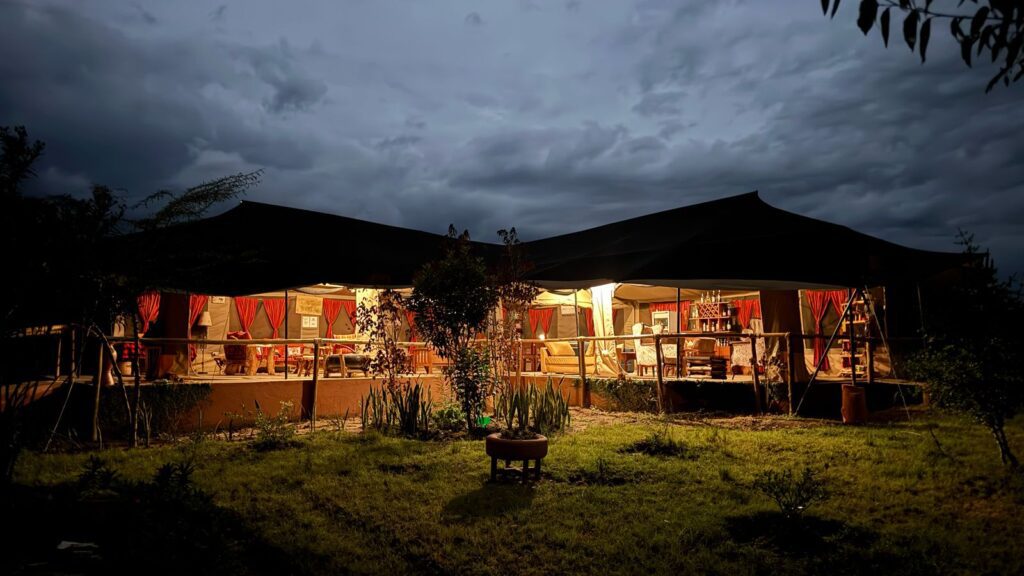
At Mara Siligi Camp, the experience is not built around ticking off sightings. It is designed around being present. The camp blends gently into its surroundings, allowing you to feel close to the land rather than separate from it. There is a natural stillness here one that mirrors the rhythm of the Mara in early May, when the landscape is lush, the air is soft, and the pace of exploration feels unhurried.
Your photography safari in Masai Mara becomes less about chasing moments and more about allowing them to unfold.
The game drives follow this same philosophy. With fewer vehicles in the reserve, your guide has the freedom to move thoughtfully, to pause when it matters, and to position you with care. Light, distance, and timing are not rushed decisions they are observed, understood, and respected. This subtle difference is what often transforms a good photograph into a meaningful one.
Between drives, the experience continues in quiet ways. The open landscapes, the distant sounds of wildlife, and the gentle transitions of light throughout the day give you space to reflect, review, and reconnect with why you came here in the first place. It’s not just about capturing the Mara it’s about feeling it.
In early May, when the crowds have thinned and the wilderness feels more expansive, this kind of stay elevates every part of your journey. The green landscapes add depth to your images, the skies bring mood and texture, and the absence of urgency allows you to see more than just what is in front of you.
Ultimately, a Masai Mara photography tour package during this time is not defined by how much you see, but by how deeply you experience it.
And when paired with a stay at Mara Siligi Camp, it becomes something quieter, richer, and far more lasting an experience that stays with you long after you’ve left the Mara behind.
FAQs
Yes, early May is a great time if you value fewer crowds, lush green landscapes, and softer lighting conditions. It’s ideal for photographers who want more time at sightings, cleaner compositions, and a slower, more immersive safari experience.
Absolutely. The Masai Mara offers year-round wildlife sightings, including lions, elephants, cheetahs, giraffes, and more. While animals may be more spread out than in peak season, fewer vehicles allow for better viewing and photography opportunities.
No, early May is not ideal for Great Migration river crossings, as the herds usually arrive later between July and October. However, it’s still an excellent time for capturing wildlife behavior, landscapes, and more intimate, storytelling-style photography.