Understanding Masai Mara Safari Seasons
When it comes to experiencing the Masai Mara, timing can make all the difference. Mara Siligi Camp helps you make the most of every moment with expert guides, purpose-built safari vehicles, and eco-luxury accommodations. Understanding the seasonal variations—from dry to wet seasons, predator movements, bird migrations, and the Great Migration—allows you to choose the right Masai Mara safari packages and plan an itinerary that maximizes wildlife sightings, photography opportunities, and cultural encounters.
Whether it’s your first safari or your tenth, this guide will help you decide when to visit, what to pack, and how to make your Masai Mara tour packages truly unforgettable.
Table of Contents:
- Overview of Masai Mara Seasons: Dry vs. Wet
- How the Great Migration Impacts Wildlife Sightings
- Advantages of Visiting During the Dry Season
- Unique Experiences in the Wet Season
- Seasonal Wildlife Photography Tips
- Mara Siligi Camp: Comfort Across All Seasons
- Packing and Gear Recommendations by Season
- Planning Your Ideal Masai Mara Safari Itinerary
Overview of Masai Mara Seasons: Dry vs. Wet
The Masai Mara features two distinct seasons, each offering unique wildlife behavior, landscapes, and safari experiences. Understanding the seasonal variations is crucial when planning your safari, choosing the right Masai Mara tour packages, or booking Masai Mara safari packages with Mara Siligi Camp for 2026.
Dry Season (July to October):
- Water sources become limited, concentrating wildlife near rivers, waterholes, and open plains.
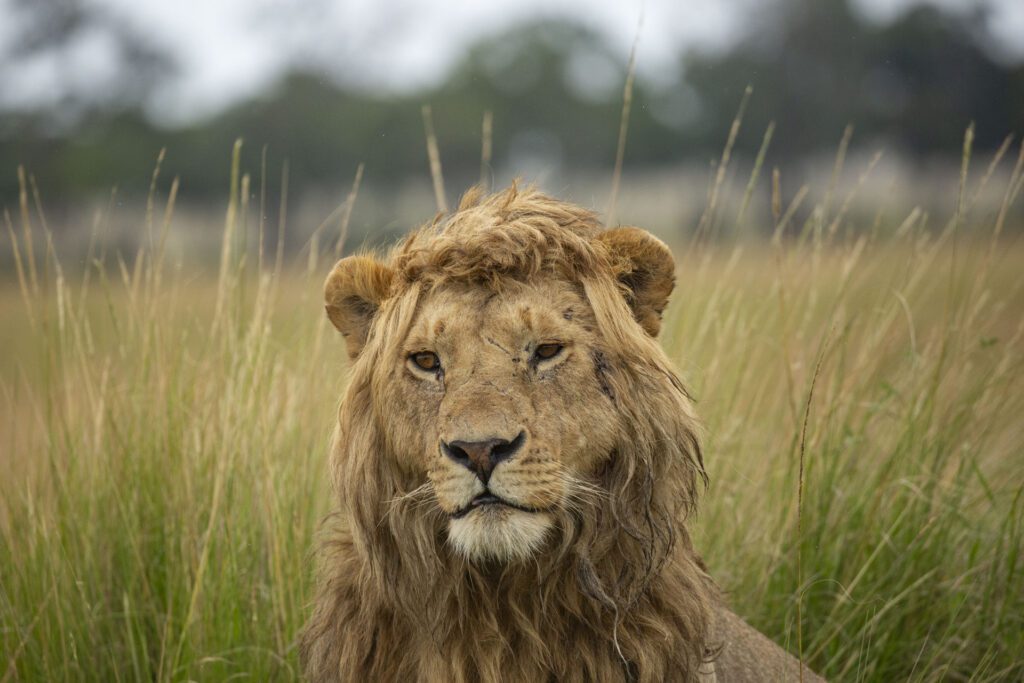
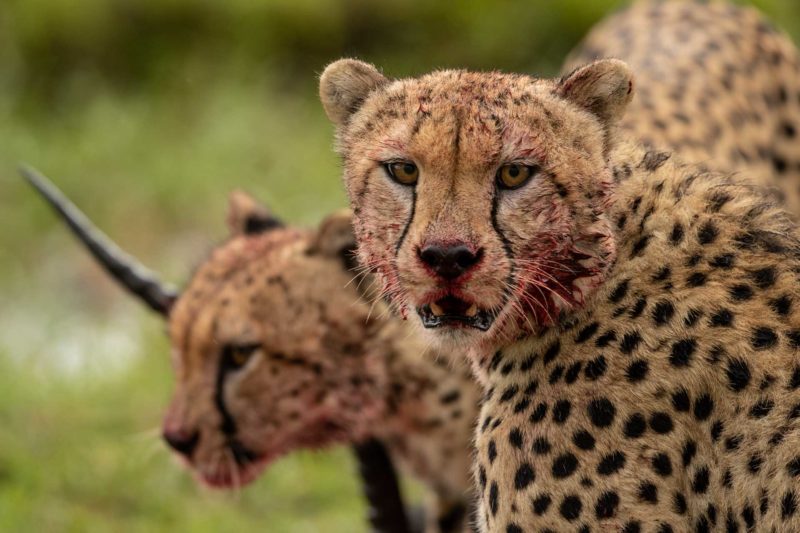
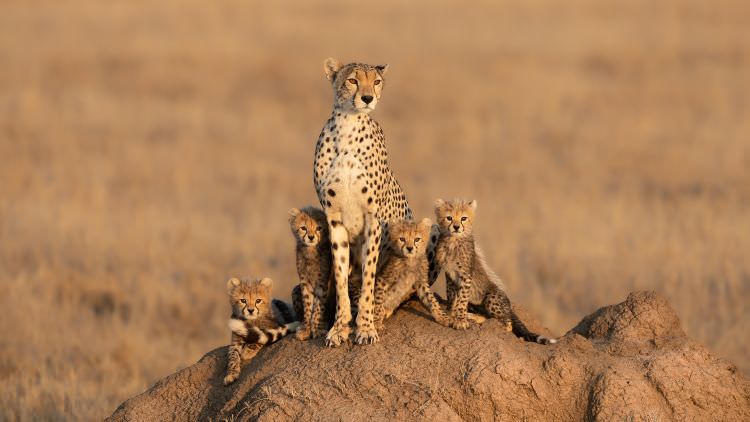
- Predators like lions, leopards, and cheetahs are easier to spot, increasing your chances of capturing action-packed wildlife photography.
- Open, golden landscapes enhance visibility and make game drives more productive for spotting the Big Five.
- Ideal for photographers and wildlife enthusiasts who want clear views, dramatic lighting, and consistent sightings during their Masai Mara packages.
- Dry-season safaris also allow longer, uninterrupted drives, giving you the opportunity to photograph herd movements, predator-prey interactions, and savannah sunsets.
Wet Season (November to June):
- Rainfall transforms the Mara into a lush, green paradise, perfect for landscape photography and immersive nature experiences.
- Abundant flora attracts vibrant birdlife and creates unique opportunities for birdwatching enthusiasts and wildlife photographers.
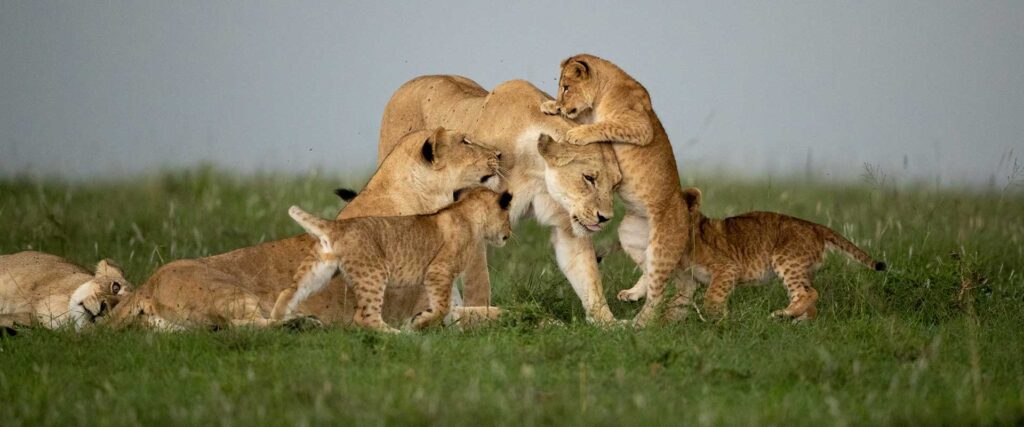
- Wildlife is more dispersed, but newborn animals, calves, and young predators offer incredible storytelling moments for photography-focused Masai Mara safari packages.
- Roads may be wetter, but smaller crowds and flourishing scenery make the wet season ideal for intimate wildlife encounters and off-peak safari experiences.
- This season is perfect for travelers looking to combine Masai Mara tour packages with eco-tourism, nature walks, and cultural immersion without the hustle of peak season crowds,
By understanding these seasonal differences, you can select the right Masai Mara safari, plan your photography-focused drives, and maximize your wildlife sightings. Whether you’re chasing the Great Migration, photographing the Big Five, or capturing rare bird species, choosing the appropriate season ensures your Masai Mara packages with Mara Siligi Camp deliver unforgettable results.
How the Great Migration Impacts Wildlife Sightings
The Great Migration is one of the most awe-inspiring wildlife spectacles in the world and a key highlight for anyone booking Masai Mara tour packages with Mara Siligi Camp. Every year, millions of wildebeest, zebras, and gazelles migrate between Tanzania’s Serengeti and Kenya’s Masai Mara, creating unparalleled opportunities for wildlife viewing, photography, and immersive safari experiences.
Timing in the Masai Mara:
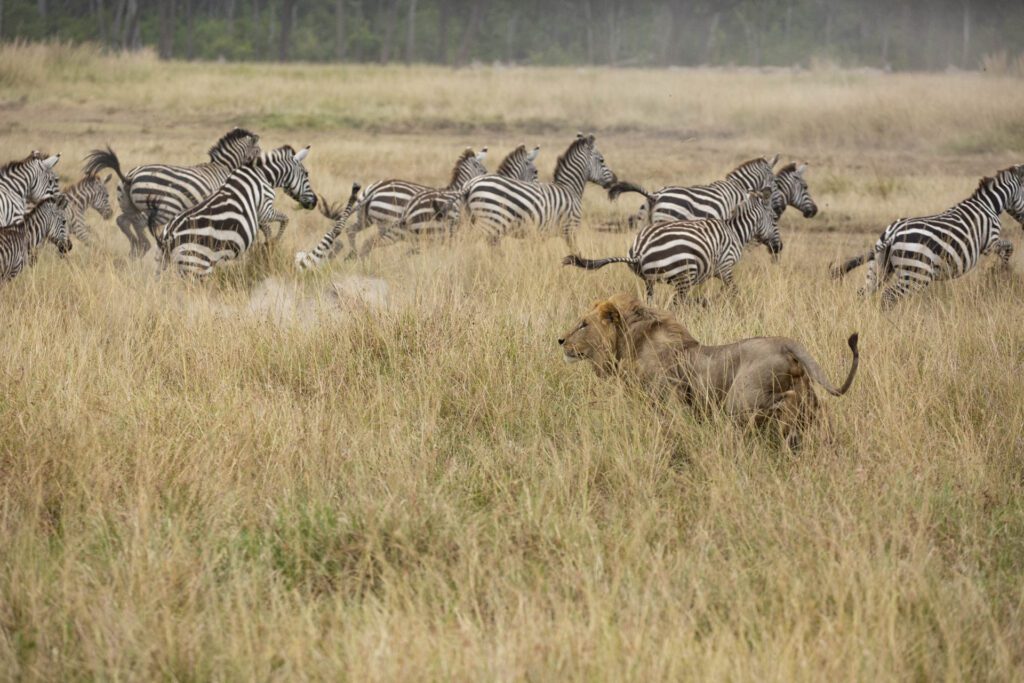
- July to October: Witness dramatic river crossings and intense predator-prey interactions. Lions, crocodiles, and cheetahs are particularly active, offering breathtaking action shots for photographers and wildlife enthusiasts. This period is ideal for photography-focused Masai Mara safari packages and for travelers aiming to capture the migration in golden-hour lighting.
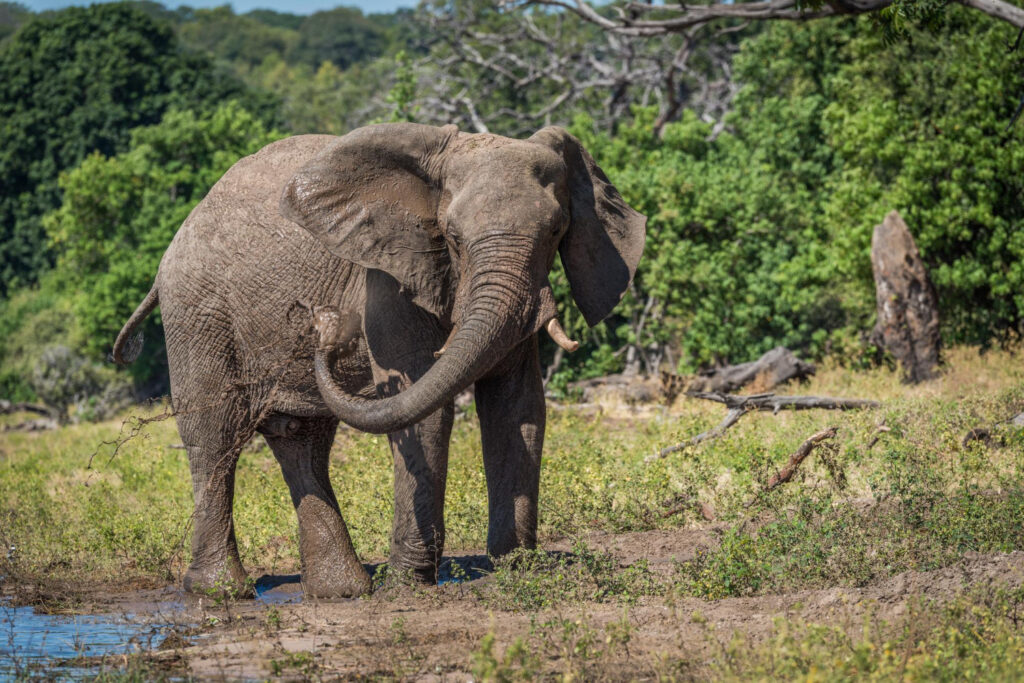
- November to June: While fewer migratory animals are present, resident wildlife remains highly active. Elephants, buffalo, leopards, and other iconic species provide excellent opportunities for game drives, birdwatching, and close-up photography. The lush wet-season landscapes also create vibrant, scenic backdrops for your safari photos.
Booking your Masai Mara safari around the Great Migration ensures you maximize wildlife sightings, capture dynamic and portfolio-worthy photography, and enjoy thrilling game drives. With Mara Siligi Camp’s expert guides and strategically timed drives, your packages can be tailored to coincide with peak migration activity, allowing you to experience the Mara at its most iconic and photogenic.
Advantages of Visiting During the Dry Season
Visiting the Masai Mara during the dry season (July to October) offers some of the best conditions for wildlife sightings, photography, and immersive safari experiences. This period is a top choice for travelers booking Masai Mara tour packages or tailored experiences at Mara Siligi Camp.
Key benefits of dry-season visits:
- Easier access to wildlife: With dry terrain and firm roads, game drives are smoother, allowing you to explore remote areas of the reserve and get closer to wildlife safely.
- Higher sighting rates: Water sources become limited, concentrating animals near rivers, waterholes, and marshlands. This increases the chances of spotting lions, elephants, cheetahs, and other iconic species, making it ideal for first-time visitors and wildlife photographers.
- Golden light for photography: The clear skies and open landscapes create perfect conditions for sunrise and sunset photography. Photographers can capture dramatic silhouettes, action shots of predators, and panoramic savannah vistas with stunning light quality.
- Optimal for Big Five sightings: The dry season offers a structured and predictable safari experience, making it easier to plan game drives around high-probability predator encounters. Many travelers choose Masai Mara safari packages during this season to maximize their chances of photographing the Big Five and witnessing iconic Mara scenery.
- Enhanced overall experience: With minimal rain, dry-season safaris are more comfortable, and activities like bush breakfasts, sundowners, and guided walks can be enjoyed without interruptions.
Choosing a dry-season Masai Mara safari package at Mara Siligi Camp ensures you experience the Mara at its most accessible, photogenic, and wildlife-rich period—perfect for photographers, first-timers, and seasoned safari enthusiasts alike.
Unique Experiences in the Wet Season
The wet season in the Masai Mara (November to June) offers a completely different but equally rewarding experience for travelers booking Masai Mara safari packages or immersive stays at Mara Siligi Camp. While the landscapes transform, the opportunities for wildlife and photography remain exceptional.
Highlights of a wet-season safari:
- Lush, verdant landscapes: Seasonal rains transform the Mara into a green paradise with flowing rivers, flowering acacia trees, and vibrant savannah backdrops—perfect for landscape photography and capturing the Mara in a unique light.
- Abundant and diverse birdlife: The wet season attracts migratory birds and rare species, making it ideal for birdwatchers and photographers focusing on Masai Mara wildlife safari packages. From colorful kingfishers to soaring raptors, every drive offers new birding opportunities.
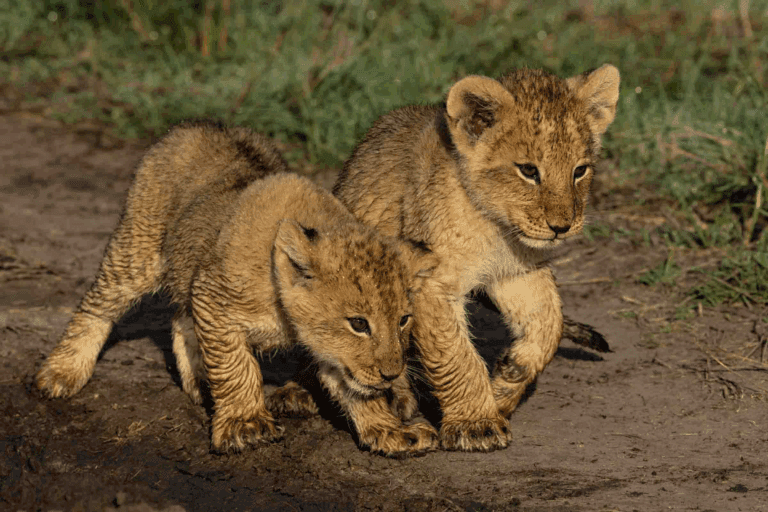
- Baby animals and intimate wildlife behaviors: Many herbivores give birth during the wet season, and predator-prey interactions are abundant. These moments provide exceptional photography and observation experiences for wildlife enthusiasts.
- Fewer tourists, more privacy: With lower visitor numbers, your safari feels more exclusive. You can enjoy private game drives, extended photography sessions, and a deeper connection with nature.
- All-season accessibility: Even during heavy rains, Mara Siligi Camp ensures comfortable accommodations, reliable game drives, and access to prime wildlife zones. This makes all-season Masai Mara safari packages feasible and enjoyable, whether you’re a first-time visitor or a returning guest.
Choosing a wet-season Masai Mara safari package allows you to experience the Mara’s vibrant ecosystems, witness seasonal wildlife behaviors, and enjoy an immersive, peaceful safari adventure—perfect for photographers, birdwatchers, and those seeking a quieter, intimate wildlife experience.
Seasonal Wildlife Photography Tips
Capturing the Mara’s wildlife in all its glory requires understanding seasonal conditions and adapting your photography approach. Whether you’re on Masai Mara tour packages or immersive wildlife safaris at Mara Siligi Camp, these tips ensure you make the most of your photography opportunities.
Dry Season Photography Tips (July to October):
- Use telephoto lenses (300mm+) to photograph predators, elephants, and herd movements from a safe distance.
- Wide-angle lenses are perfect for the expansive savannah landscapes, sunrise and sunset panoramas, and acacia-studded plains.
- Look for dramatic light and shadow contrasts during early morning and late afternoon drives to enhance the depth of your wildlife images.
- Focus on predator-prey interactions near rivers and waterholes, which are more visible during the dry season.
Wet Season Photography Tips (November to June):
- Protect your camera with waterproof gear, lens hoods, and rain covers to safeguard against sudden showers.
- Capture newborn animals, lush green landscapes, and seasonal rivers, which provide vibrant and unique photographic opportunities.
- Utilize reflections in puddles, waterholes, and streams to add creative elements to your wildlife and landscape shots.
- Early morning sunrise and late evening sunset drives still offer the best lighting conditions for professional-grade images, even in the wet season.
General Photography Advice for All Seasons:
- Plan Masai Mara safari photography sessions around golden hours to maximize soft light, shadows, and animal activity.
- Bring multiple batteries, memory cards, and bean bags for stable shooting during long drives.
- Combine wildlife photography with landscape and bird photography to create a comprehensive portfolio of your Mara Siligi Camp safari experience.
By following these seasonal wildlife photography tips, you can enhance your Masai Mara safari experience, whether you’re a first-time visitor, wildlife enthusiast, or professional photographer seeking high-quality images of the Big Five, rare birds, and scenic landscapes.
Mara Siligi Camp: Comfort Across All Seasons
Mara Siligi Camp ensures your Masai Mara safari experience is seamless, immersive, and comfortable, regardless of the season. Whether you choose customized Masai Mara packages, the camp adapts to seasonal conditions to maximize wildlife encounters and photography opportunities.
Year-Round Comfort and Facilities:
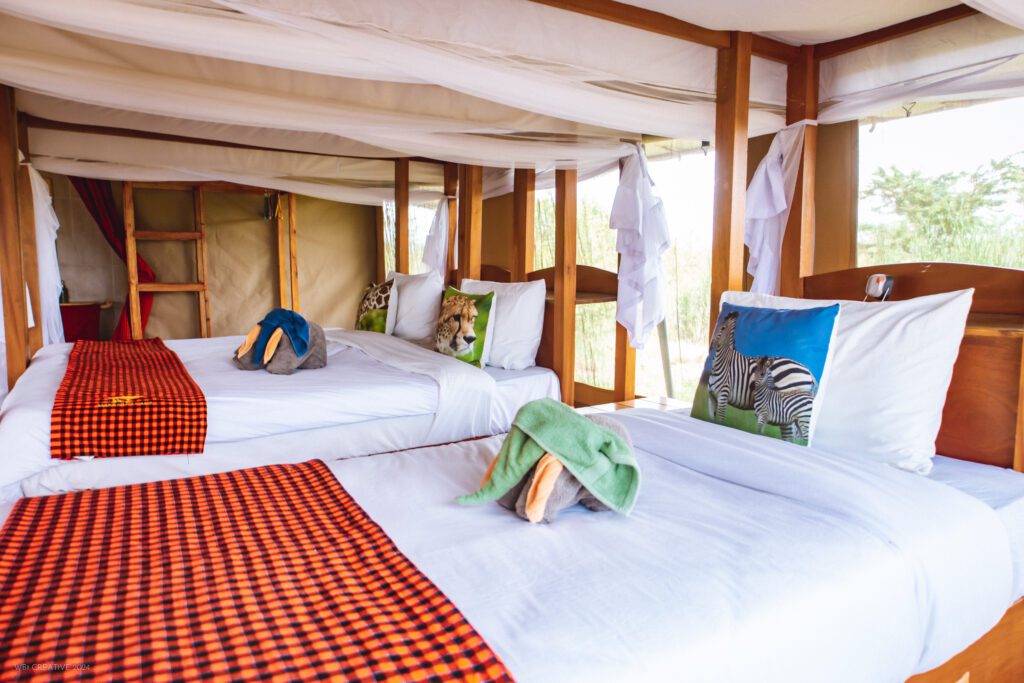
- Eco-luxury tents with en-suite facilities provide warmth and shelter during cooler wet months and breezy, shaded comfort during the dry season.
- Proximity to prime wildlife zones allows for early morning sunrise drives and late evening sunset sessions without long commutes, ensuring you never miss key wildlife moments.
- Seasonally adapted itineraries guided by experienced Maasai rangers who know how wildlife behavior changes with rain or drought, enhancing your chances of spotting the Big Five, migratory herds, and rare bird species.
- Optional add-ons such as hot air balloon safaris, cultural experiences with local Maasai communities, and specialized photography excursions offer immersive experiences no matter the time of year.
- All-season amenities like covered dining areas, campfire evenings, and eco-conscious facilities ensure comfort, safety, and a memorable stay during your Masai Mara safari.
By staying at Mara Siligi Camp, you can enjoy Masai Mara safari packages that combine comfort, accessibility, and adventure, allowing you to focus on wildlife photography, game drives, and cultural experiences throughout the year.
Packing and Gear Recommendations by Season
Proper packing is essential to make the most of your Masai Mara safari, whether you’re joining a 3-night escape or an extended 5+ night Masai Mara tour package at Mara Siligi Camp. Packing smart ensures comfort, safety, and uninterrupted wildlife photography, no matter the season.
Dry Season Packing Tips (July to October):
- Clothing: Lightweight, breathable layers for hot afternoons, with warmer jackets or fleeces for early morning drives and sunrise photography sessions.
- Photography Gear: Telephoto lenses (300mm+) to capture predators and distant herds, wide-angle lenses for open plains and scenic landscapes.
- Essentials: Binoculars, sunhat, sunscreen, and reusable water bottles to stay hydrated in the dry savannah heat.
- Footwear: Comfortable, sturdy shoes suitable for dry dirt roads and short bush walks.
Wet Season Packing Tips (November to June):
- Clothing: Waterproof jackets, quick-dry clothing, and layers for cool mornings and sudden rain showers.
- Photography Gear: Camera rain covers, lens hoods, and waterproof camera bags to protect your equipment.
- Essentials: Insect repellent, layered clothing, portable chargers, and durable boots for muddy tracks.
- Additional Items: Small umbrellas or ponchos for game drives, and lightweight backpacks for carrying extra gear on extended drives.
By tailoring your packing to the season, you can fully enjoy your Masai Mara safari packages, focusing on wildlife photography, game drives, and cultural experiences without being hindered by weather or terrain. Proper preparation enhances your chances of capturing dramatic wildlife moments, scenic landscapes, and unique Mara experiences at every turn.
Planning Your Ideal Masai Mara Safari Itinerary
Creating the perfect Masai Mara safari package requires thoughtful planning to align your stay, wildlife interests, and photography goals. At Mara Siligi Camp, we help you design itineraries that maximize wildlife sightings, seasonal highlights, and immersive experiences.
Determine Your Stay Length:
- 3-night safari: Best for a quick wildlife getaway, focusing on the Big Five, key predators, and golden-hour photography.
- 4-night safari: Offers additional flexibility for cultural experiences, extended game drives, and early morning or sunset shoots.
- 5+ nights: Ideal for photography enthusiasts and wildlife lovers seeking the Great Migration, birdwatching hotspots, and rare wildlife encounters.
Schedule Game Drives Strategically:
- Plan morning drives to capture predators in action and the soft light of sunrise.
- Afternoon drives provide golden-hour lighting for landscapes, herd photography, and birdlife.
Include Cultural and Nature Experiences:
- Maasai village visits and interactions with local communities provide authentic cultural insights.
- Birdwatching sessions allow you to photograph rare and colorful species in their natural habitats.
- Photography workshops enhance your skills, ensuring you capture professional-quality images throughout your safari.
Tailor Your Safari to Your Interests:
- Family-friendly itineraries focus on safe wildlife viewing and immersive learning experiences.
- Romantic options for couples include private drives and sundowners on the Mara plains.
- Enthusiast-focused tours emphasize photography mentorship, extended drives, and specialized wildlife encounters.
Plan Around Seasonal Highlights:
- Book during the Great Migration (July to October) to capture dramatic river crossings and predator-prey interactions.
- Visit during the wet season (November to June) for lush landscapes, newborn animals, and fewer crowds.
By planning your itinerary carefully and choosing the right Masai Mara tour packages, you ensure every game drive, sunrise, and sunset maximizes wildlife sightings, photography opportunities, and cultural immersion. Mara Siligi Camp’s expertise allows first-time visitors and repeat travelers alike to craft an unforgettable, tailored safari experience.
Conclusion
No matter the season, Mara Siligi Camp delivers immersive, all-season Masai Mara safari packages tailored for first-time visitors, families, couples, and seasoned wildlife and photography enthusiasts alike. From predator spotting and dramatic Great Migration river crossings during the dry months to lush wet-season landscapes, vibrant birdlife, and intimate wildlife encounters, every safari is thoughtfully curated to combine adventure, comfort, and unforgettable memories.
Experience the Mara at its best with eco-luxury accommodation, expert Maasai guides, sunrise and sunset drives, cultural experiences, and optional add-ons like hot air balloon safaris and photography mentorship. Every detail is designed to ensure your Masai Mara tour packages are seamless, enriching, and tailored to your interests.
Book Your Masai Mara Safari Adventure at Mara Siligi Camp Today
FAQs
First-time visitors usually prefer the dry season (July–October) because wildlife is easier to spot around rivers and open plains, making sightings predictable and frequent. But if you enjoy lush scenery, newborn animals, and fewer tourists, the wet season (November–June) offers a quieter and more intimate safari experience. Mara Siligi Camp designs itineraries for both seasons so first-timers can enjoy reliable sightings and comfortable stays year-round.
Not at all. While July–October is perfect for river crossings and dramatic predator action, the wet season delivers equally rewarding moments—like newborn wildlife, vibrant green landscapes, excellent bird photography, and quieter game drives. Resident predators, elephants, buffalo, and leopards remain active all year, so your safari is still rich in sightings even outside Migration months.
Yes. Mara Siligi Camp customizes daily game drive timings, routes, and photography sessions according to seasonal wildlife movements and weather conditions. In the dry season, drives focus on waterholes and migration routes. In the wet season, guides explore green zones, birding hotspots, and areas where newborn animals gather. This ensures you get the best wildlife sightings—and the best light for photography—no matter when you visit.