Great Migration Masai Mara Safari vs Regular Safari
You’ve decided you want to go on safari. Now comes the harder question, should you time your trip around the Great Migration, or is a regular safari just as good?
It’s a fair question, and honestly, one we get asked all the time at Mara Siligi Camp. The truth is, both trips give you real Africa, real wildlife, and real adventure. But they’re not the same experience, and knowing the difference will help you pick dates, set expectations, and choose the right package for what you actually want to see.
Let’s break it down for you, section by section.
Table of Contents:
- What Actually Makes the Great Migration Different
- Wildlife You’ll See: Migration Season vs Regular Safari
- Cost and Booking Timelines Compared
- Crowds, Vehicles, and the Overall Game Drive Experience
- Best Time to Book Each Type of Safari
- Choosing the Right Masai Mara Tour Packages for Your Trip
What Actually Makes the Great Migration Different
A regular safari gives you the Mara’s year-round residents, lions, elephants, giraffes, hippos, and the daily rhythm of life in the reserve. It’s steady, reliable, and still genuinely exciting if you’ve never been on safari before.
The Great Migration is a different kind of event entirely. Between July and October, over two million wildebeest, zebra, and gazelle move through the ecosystem in one of the largest land migrations on Earth. You’re not just watching animals graze, you’re watching a full-scale natural event unfold in front of you.
Here’s what sets it apart:
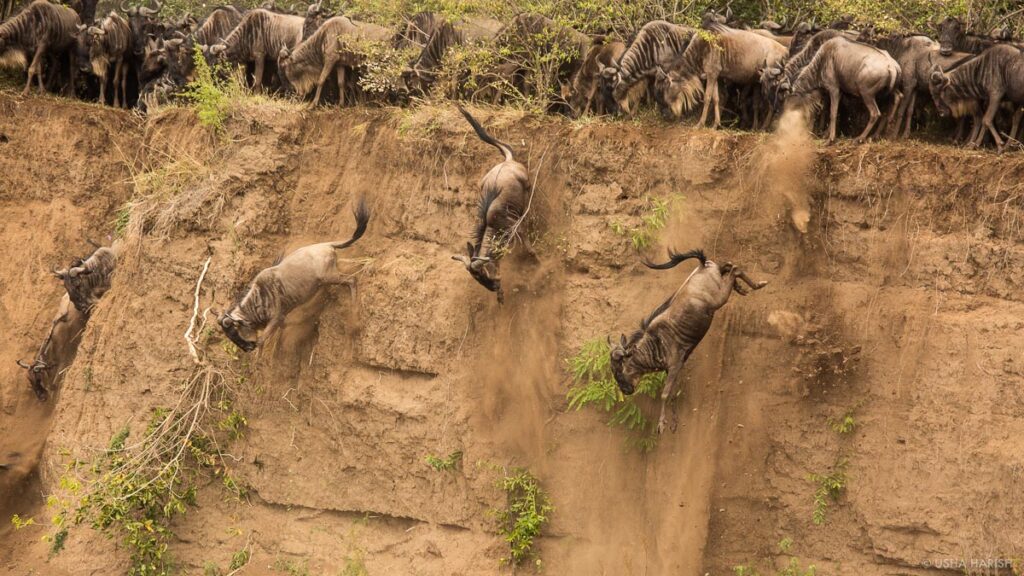
- Mass river crossings, with herds leaping into the Mara River as crocodiles wait below
- Predators following the herds closely, which means more hunting activity than usual
- Dust, noise, and movement across the plains that you simply won’t find outside migration months
- A sense of scale, herds stretching to the horizon, that photos genuinely undersell
If you’re choosing between a Masai Mara safari package built around migration season and a standard year-round trip, this difference in scale and drama is really what you’re paying for.
Wildlife You’ll See: Migration Season vs Regular Safari
Both trips put you in one of the richest wildlife reserves in Africa. But what you’re likely to see, and how often, shifts depending on the season.
On a regular safari, you can expect:
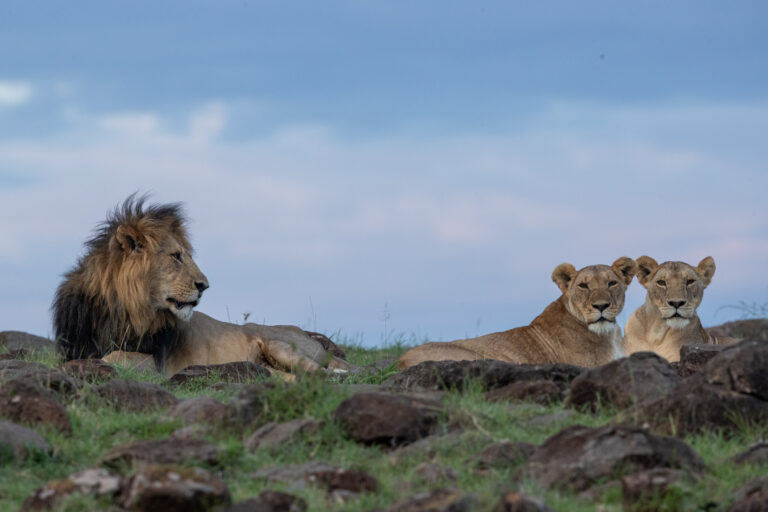
- Consistent Big Five sightings, lion, leopard, elephant, buffalo, and rhino
- Calmer, more spread-out game drives without the crowds of peak season
- Excellent birdwatching, especially outside the dry months
- Calving season action if you visit between January and March, with newborn wildlife and dramatic predator behavior
During the Great Migration, you can expect:
- The added spectacle of river crossings, which don’t happen outside this window
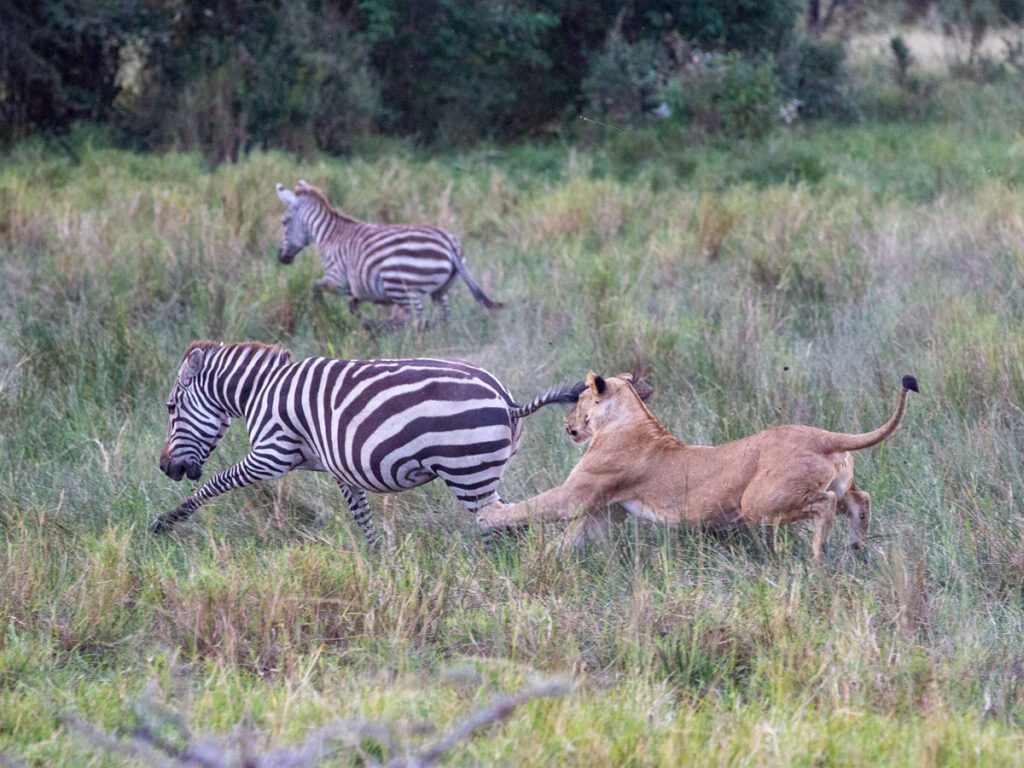
- Higher concentrations of lions, cheetahs, and hyenas following the herds
- More action-packed photography opportunities, since predators are more active
- Denser wildlife numbers overall, simply because the migrating herds are moving through
Neither experience is “better” in absolute terms, it depends on what you’re after. If you want the classic, high-drama safari moment you’ve seen in documentaries, migration season delivers it. If you’d rather have a quieter trip with strong Big Five odds and fewer vehicles around you, a regular safari might suit you more.
Cost and Booking Timelines Compared
This is where the two experiences really start to diverge, and it’s worth planning around if budget or timing matters to you.
Regular safari (April–June or November–March):
- Generally lower rates on accommodation and packages
- Easier to book last-minute, sometimes just weeks in advance
- Fewer travelers competing for the same tents and vehicles
- Great value if you’re flexible on exact dates
Great Migration safari (July–October):
- Higher demand means higher prices across most camps
- Peak crossing weeks, typically mid-August through mid-September, book out months ahead
- Vehicles and tents fill up early, so late planning often means settling for less ideal options
- Worth the investment if migration season is specifically what you’re chasing
If you’re comparing a Masai Mara travel package for migration season against a regular one, expect to pay more and book earlier for the former. It’s simply a matter of demand, everyone wants to be here when the herds are crossing.
Crowds, Vehicles, and the Overall Game Drive Experience
This part often surprises first-time visitors. Migration season isn’t just about the animals, it changes the entire feel of your game drives.
What a regular safari game drive feels like:
- Fewer vehicles at each sighting, giving you more space and better angles
- A slower, more relaxed pace throughout the day
- More flexibility to linger at a sighting without other vehicles waiting behind you
- Quieter mornings and evenings, ideal if you want a peaceful trip
What a Great Migration game drive feels like:
- More vehicles gathering at popular crossing points, especially during peak weeks
- Faster-paced days, since guides are actively tracking herd movement
- More radio communication between guides to relay where the action is happening
- Bigger rewards when the timing lines up, but also more waiting when it doesn’t
This is exactly where your choice of camp and guide matters most. At Mara Siligi Camp, our guides track herd movement daily during migration season and time your drives around light and likely crossing points, so you’re not stuck circling the reserve hoping to get lucky. Whether you’re booking migration season or a quieter month, the goal is the same, get you to the right spot before the crowds do.
Best Time to Book Each Type of Safari
Here’s a simple breakdown to help you match the season to what you’re hoping to experience.
April – June
- Lush, green landscapes after the rains
- Fewer crowds and excellent predator sightings
- Great value pricing, ideal for first-time visitors
July – October (Great Migration)
- Peak season, with river crossings and the largest wildlife concentrations of the year
- Book at least three months ahead, earlier for August and September
- The most dramatic wildlife event in the Mara calendar
November – March
- Calving season from January to March brings newborn wildlife and intense predator activity
- Clear skies and fewer vehicles make this a strong window for photography
- December and January are especially good for families traveling with children
Whichever window you choose, our Masai Mara holiday package options are built to flex around your dates rather than force you into a fixed itinerary. Tell us when you’re traveling, and we’ll tell you honestly what to expect during that window.
Choosing the Right Masai Mara Tour Packages for Your Trip
By now you probably have a decent sense of which experience fits you better. Here’s how that translates into an actual booking decision.
Choose a migration-season package if:
- Witnessing a river crossing is on your bucket list
- You don’t mind paying more or booking further in advance
- You’re comfortable sharing sightings with more vehicles during peak moments
- You want the highest possible density of predator activity
Choose a regular safari package if:
- You prefer a quieter, more personal pace to your game drives
- You’re working with a flexible or last-minute travel window
- You want strong value without peak-season pricing
- You’re traveling with young children and want a calmer daily rhythm
Whatever you decide, the camp behind your trip matters just as much as the season. Our Masai Mara Tour Packages at Mara Siligi Camp are built around the same core idea year-round, more time in the wild, less time getting to it. Sitting close to both Mpuaai and Talek gates, we get you into the reserve faster than camps further out, whether you’re chasing the migration or simply want a relaxed few days among the Big Five.
We offer a range of options to match exactly what you’re after:
- Mid-range 2–3 day safaris for shorter, budget-conscious trips
- Photography-focused packages with custom drive timing for golden light
- Family-friendly packages paced for younger travelers
- Honeymoon and couples packages with private drives and bush dinners
Every package includes accommodation, daily guided game drives, park entry fees, meals, and a local Masai guide who genuinely knows this land, because they grew up on it.
Still Deciding? Let’s Talk It Through
There’s no wrong choice here, just the right trip for what you’re hoping to experience. If you want the raw spectacle of the migration, we’ll help you time it precisely. If you’d rather have a calmer, more personal safari without the peak-season crowds, we’ll build that instead.
Tell us your dates, how many are traveling, and what matters most to you, and we’ll come back with a package that actually fits, not a generic itinerary pulled off a shelf. Reach out to us at Mara Siligi Camp, and let’s start planning your Masai Mara trip properly.
Frequently Asked Questions
A Great Migration safari takes place between July and October and offers the chance to witness massive wildebeest river crossings, increased predator activity, and huge migrating herds. A regular Masai Mara safari provides excellent year-round wildlife viewing, including the Big Five, with fewer crowds and a more relaxed game drive experience.
If witnessing the world-famous river crossings and dramatic wildlife interactions is on your bucket list, the extra cost is often worthwhile. However, regular safaris offer outstanding wildlife sightings, lower accommodation rates, and a quieter experience, making them an excellent choice for many travelers.
For travel during the Great Migration, especially between mid-August and mid-September, it’s best to book at least three to six months in advance. This helps secure your preferred accommodation, safari vehicle, and travel dates during the busiest season in the Masai Mara.