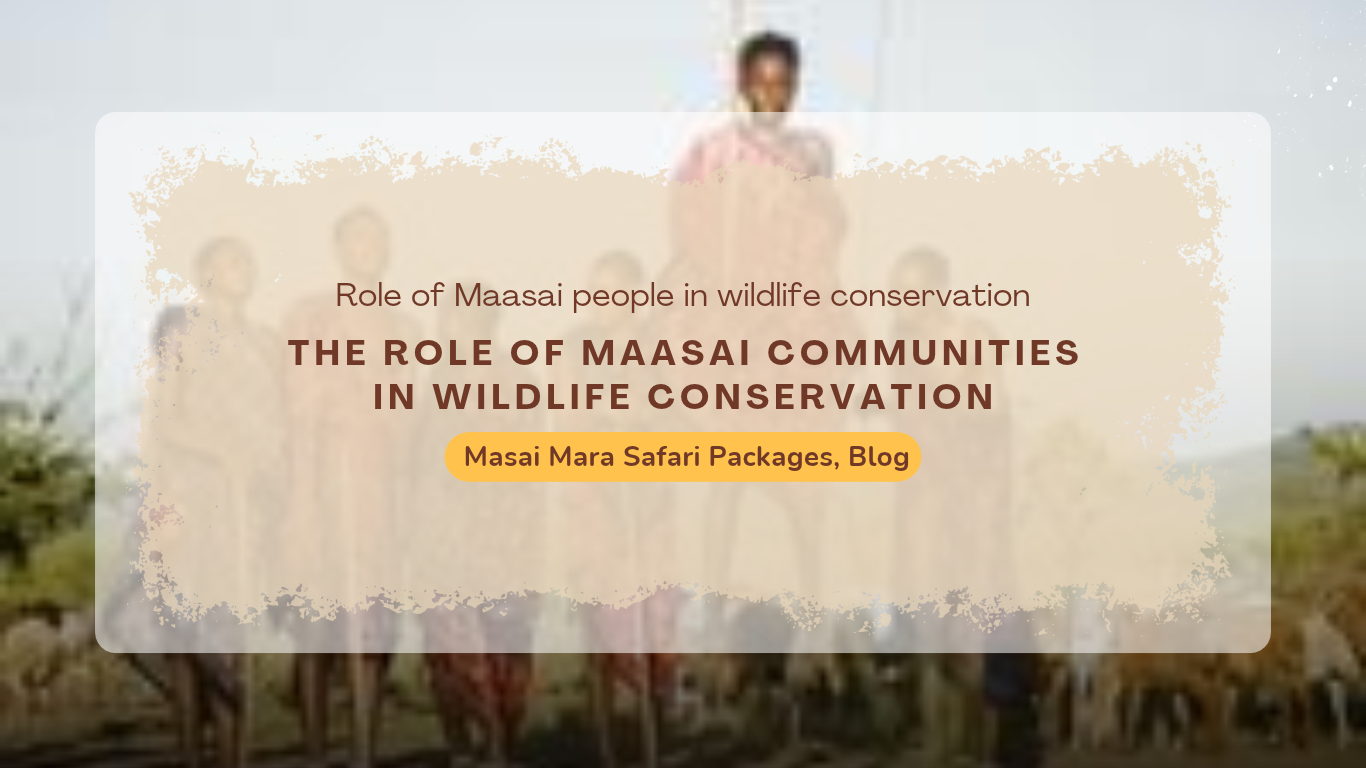
Wildlife conservation in the Masai Mara is closely connected to the people who have lived alongside its grasslands, rivers and wildlife for generations. The Maasai communities play an important role in protecting this landscape, managing land and supporting a way of life in which people, livestock and wildlife share the same environment.
When you think about a Masai Mara safari, you might picture lions resting in the grass, elephants crossing open plains or wildebeest moving across the landscape. However, protecting these animals involves much more than maintaining a wildlife reserve. It also depends on local communities, landowners, conservation organisations and responsible tourism.
So, how do Maasai communities contribute to wildlife conservation? And why is their involvement important for the future of the Greater Mara ecosystem? Let’s understand their role.
Table of Contents:
- The Role of Maasai Communities in Wildlife Conservation
- Why Are Maasai Communities Important for Wildlife Conservation?
- How Do the Maasai Protect Wildlife?
- How Do Maasai Communities Help Prevent Human-Wildlife Conflict?
- How Does Tourism Support Maasai Communities and Conservation?
- Why Is Community Involvement Important for Wildlife Protection?
- How Can Visitors Support Wildlife Conservation in the Masai Mara?
- Discover the Masai Mara With Mara Siligi Camp
- Frequently Asked Questions
Why Are Maasai Communities Important for Wildlife Conservation?
The Maasai people have a long-standing relationship with the landscapes of southern Kenya, including the Greater Mara ecosystem. Their lives, traditions and livelihoods have historically been connected to livestock, land and natural resources.
The Masai Mara ecosystem extends beyond the boundaries of the national reserve. Wildlife also moves through surrounding community-owned and privately managed lands. These areas can provide important habitats, grazing areas and movement routes for animals.
This makes local participation essential. Conservation efforts cannot focus only on the land within protected reserve boundaries when wildlife also depends on the surrounding landscape.
Maasai landowners and communities contribute by participating in land-management decisions, supporting conservation initiatives and working with organisations that help protect wildlife habitats.
The Maasai Mara Wildlife Conservancies Association (MMWCA) coordinates efforts across the Greater Mara ecosystem. Its work brings together landowners, tourism partners and conservancies to support wildlife protection and community livelihoods.

How Do the Maasai Protect Wildlife?
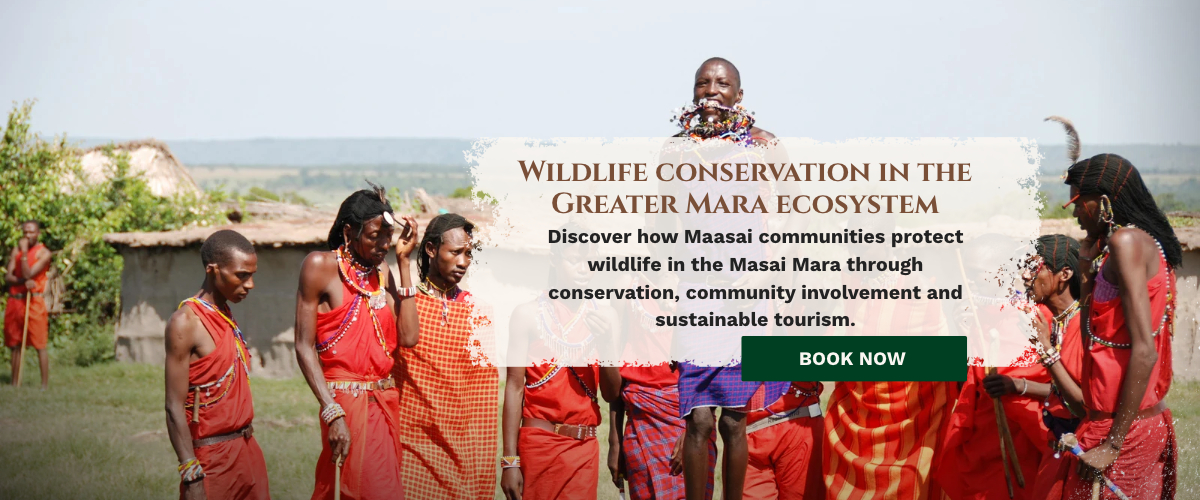
Maasai communities contribute to wildlife conservation in several ways. Their involvement includes land management, participation in conservancies, conservation employment and cooperation with tourism organisations.
Here are some of the important ways their participation supports wildlife.
1. Participating in community conservancies
Community conservancies are important to wildlife conservation in the Greater Mara ecosystem.
These conservancies are based on partnerships between local landowners and tourism operators. Landowners contribute land to conservation arrangements, while tourism partners help generate revenue through responsible tourism activities.
This approach can help maintain open spaces for wildlife and support movement between different habitats.
For travellers planning a Masai Mara Safari Booking, understanding the role of community conservancies also offers insight into how tourism can contribute to local conservation efforts.
For example, the MMWCA works with conservancies across the Greater Mara landscape. Its model connects landowners, tourism partners and conservation efforts, with lease payments providing a direct financial benefit to participating landowners.
2. Supporting wildlife monitoring and protection
Local people can contribute to conservation through employment and participation in wildlife protection activities.
Community conservancies may employ local rangers who help monitor wildlife, report potential threats and support conservation management. Their familiarity with the landscape can be valuable when identifying changes in wildlife movement or environmental conditions.
These activities help conservation organisations understand what is happening across the ecosystem and respond to potential challenges.
3. Helping protect natural habitats
Wildlife needs more than protected boundaries. Animals depend on connected habitats, access to water and sufficient space to move.
Community participation in land-use decisions can help maintain these important areas. Conservancy arrangements can also encourage land management that considers wildlife alongside community needs and livestock grazing.
The MMWCA identifies the development of wildlife corridors and stronger conservation management as important parts of its conservation work.

How Do Maasai Communities Help Prevent Human-Wildlife Conflict?
People and wildlife sometimes compete for access to land and natural resources. This can create challenges for communities living close to wildlife habitats.
For example, elephants may damage crops, predators may threaten livestock, and wildlife may move through areas used for grazing. These situations can affect local livelihoods and make conservation more difficult.
This is known as human-wildlife conflict.
Community involvement is important because conservation measures need to consider the needs of people as well as wildlife.
Some approaches used in conservation landscapes include:
- Livestock management: Better livestock management can help reduce encounters between domestic animals and predators.
- Wildlife monitoring: Reporting animal movements and potential threats helps conservation teams respond to changing situations.
- Community participation: Including local people in conservation decisions helps ensure that management approaches consider their concerns.
- Conservation benefits: Income and other benefits linked to conservation can provide communities with an economic reason to maintain wildlife habitats.
The Greater Mara conservancy model recognises the importance of connecting wildlife protection with community livelihoods. However, the challenges and solutions can differ between individual communities and conservancies.

How Does Tourism Support Maasai Communities and Conservation?
Tourism is an important part of the relationship between conservation and local livelihoods in the Masai Mara.
Visitors travel to Kenya to experience its wildlife, landscapes and local culture. This creates opportunities for tourism businesses and conservation partnerships to work with surrounding communities.
In the Greater Mara, conservancy partnerships provide landowners with lease payments linked to land-use agreements. Tourism also creates employment opportunities through camps, guiding and other visitor services.
The MMWCA identifies landowner benefits, tourism partnerships and community livelihoods as important elements of its conservancy model.
How responsible tourism makes a difference
Responsible tourism considers how visitor activities affect wildlife, habitats and local people.
As a traveller, you can make more informed choices by considering:
- Whether tourism activities respect wildlife and their natural behaviour.
- Whether local communities have meaningful opportunities to participate in tourism.
- Whether cultural experiences are conducted with the consent and involvement of their hosts.
- Whether accommodation and safari operators demonstrate responsible environmental practices.
A safari experience should allow you to appreciate the natural environment while recognising the people and conservation efforts that help maintain it.
Why Is Community Involvement Important for Wildlife Protection?
Wildlife conservation is more sustainable when the people living alongside animals are included in decisions that affect their land and livelihoods.
Without local participation, conservation initiatives may overlook important community needs. This can make it difficult to maintain long-term support for wildlife protection.
Community involvement helps connect several important areas:
- Wildlife protection: Local participation supports habitat management and conservation activities.
- Livelihood opportunities: Tourism partnerships and conservancy arrangements can provide income and employment.
- Land management: Community involvement helps bring local land-use needs into conservation planning.
- Long-term cooperation: Working together allows communities, conservation organisations and tourism partners to address shared challenges.
The Greater Mara provides an example of how these partnerships can operate across a wider ecosystem. The MMWCA’s work demonstrates the importance of bringing landowners and tourism partners together rather than treating conservation as the responsibility of wildlife authorities alone.
Conservation is not a one-time activity. It requires continued cooperation, practical management and an understanding that wildlife protection and community well-being are connected.
How Can Visitors Support Wildlife Conservation in the Masai Mara?
Your choices as a visitor can help encourage responsible tourism practices. While a single safari cannot solve every conservation challenge, making thoughtful decisions contributes to a tourism environment that respects wildlife and local communities.
Here are some simple ways to approach your visit:
- Choose responsible safari experiences: Look for operators and accommodation providers that communicate clearly about their environmental practices and local partnerships.
- Respect wildlife guidelines: Maintain appropriate distances, avoid disturbing animals and follow your guide’s instructions.
- Respect local culture: Ask permission before photographing people, listen to your hosts and follow guidance during cultural visits.
- Support local businesses: Where possible, consider locally provided experiences, crafts and services.
- Avoid unnecessary disturbance: Follow designated routes and avoid activities that interfere with wildlife behaviour.
- Learn about conservation: Understanding community conservancies and local conservation challenges gives you a better appreciation of the landscape you are visiting.
When planning Masai Mara Safari Tours, remember that the experience is about more than wildlife sightings. It is also an opportunity to understand the relationship between people, nature and conservation.
Discover the Masai Mara With Mara Siligi Camp
At Mara Siligi Camp, we believe that experiencing the Masai Mara means appreciating both its wildlife and the people connected to this landscape.
Our eco-friendly boutique tented camp is located at the foothills of Oldonyo Loip Hill, near Talek. We offer guests an opportunity to experience the natural surroundings through wildlife safaris, nature walks and cultural experiences.
We also recognise the importance of environmental and community initiatives. Our efforts include solar-powered camp operations, tree-planting activities, support for local children’s education through guest contributions and access to vital water resources for the community.
During your stay, you can explore experiences such as:
- Wildlife safaris: Discover the Masai Mara with our experienced Maasai guide.
- Maasai cultural village visits: Learn about local traditions and community life.
- Creative beadwork: Experience traditional creative work with local artisans.
- Tree planting: Take part in an activity that supports our environmental efforts.
If you are planning Masai Mara Safari Tours, we invite you to look beyond wildlife sightings and understand the landscape, culture and conservation efforts that make this destination special.
Explore our Masai Mara Safari Packages to plan your stay.
Frequently Asked Questions
Maasai communities are important because they participate in land management, community conservancies and wildlife protection initiatives. Their involvement helps connect conservation with local livelihoods and the long-term management of the Greater Mara ecosystem.
A community conservancy is a conservation area established through arrangements involving local landowners and other partners. In the Greater Mara, these partnerships can help protect wildlife habitats while providing participating landowners with benefits such as land lease payments.
Tourism can create employment, support local businesses and provide revenue through conservancy partnerships. In the Greater Mara, tourism partners work with landowners through arrangements that connect tourism activities with conservation and community benefits.
Visitors can support responsible tourism by respecting wildlife guidelines, choosing appropriate safari experiences, supporting local businesses and following cultural guidance during community visits. Some camps also offer activities such as tree planting.
Conclusion
The role of Maasai communities in wildlife conservation goes beyond protecting individual animal species. It involves maintaining natural habitats, participating in land management, supporting conservancies and finding ways for people and wildlife to share the same landscape.
For the future of the Masai Mara, conservation needs cooperation between local communities, landowners, tourism partners and conservation organisations.
When you visit the Mara, take time to appreciate not only its wildlife but also the people and initiatives connected to its protection. At Mara Siligi Camp, we welcome you to experience the landscape, discover local cultural experiences and enjoy a meaningful stay in the heart of the Masai Mara.