Inside a Photographer’s Experience at Mara Siligi Camp
When you plan a Masai Mara photography tour, you’re not just going on safari you’re investing in the kind of images you’ll come back with. You imagine dramatic wildlife moments, perfect lighting, and effortless shooting. But in reality, great wildlife photography depends on how well your entire experience is structured. The right environment, timing, and support can completely change your results. This is exactly where staying at Mara Siligi Camp makes a noticeable difference.
Table of Contents
- What It Feels Like on Your First Masai Mara Photography Tour
- The Moment You Realize This Safari Is Different
- Game Drives That Actually Help You Get the Shot
- The Setup Behind Great Photos (Guide + Vehicle + Positioning)
- The Kind of Wildlife Shots You Come Back With
- What Your Stay Feels Like After a Long Day of Shooting
- Who This Experience Is Perfect For
- Final Thoughts on This Masai Mara Photography Tour
What It Feels Like on Your First Masai Mara Photography Tour
Your first safari comes with a mix of excitement and uncertainty. You’re stepping into a new landscape, unsure of how things will unfold. But from the moment you arrive, the experience feels smooth and reassuring. Everything from pickup to check-in is handled effortlessly, allowing you to settle in without stress.
The environment immediately stands out. It’s calm, private, and far from the chaos you might expect. Instead of feeling like a tourist, you feel comfortable and looked after. This matters more than you think, especially on a Masai Mara photography tour for first-time visitors, because it allows you to focus your energy on observing and shooting rather than adjusting to the surroundings.
As you begin your journey, a few things start to shape your overall experience:
- You get time to understand your camera settings in real safari conditions without feeling rushed
- You start observing animal behavior instead of just reacting to sightings
- You become more aware of light, timing, and composition—key elements in wildlife photography in Masai Mara
- You feel more confident experimenting with angles and framing during game drives
This early comfort and clarity play a big role in how your Masai Mara photography tour experience unfolds, especially if your goal is to capture high-quality wildlife images rather than just document the trip.
The Moment You Realize This Safari Is Different
The difference becomes clear during your first few game drives. You’re not rushed, and you’re not being moved from one sighting to another just to cover more ground. Instead, there’s a clear focus on quality over quantity, which is something many standard Masai Mara photography tour packages often miss.
As the drive progresses, the approach starts to feel more intentional. The vehicle is positioned based on light direction rather than just proximity to the animal, which immediately improves how your images turn out. The guide doesn’t simply stop for sightings they consider angles, backgrounds, and how the scene will translate through your lens. There’s also enough time to wait, observe, and anticipate behavior, rather than reacting in a hurry.
This shift creates a noticeable difference in the overall experience:
- Positioning feels deliberate, helping improve composition and lighting
- Fewer interruptions allow better focus during key moments
- More time at sightings increases the chances of capturing behavior and interaction
This is the point where it becomes clear that this isn’t a typical safari it’s a photography-first Masai Mara photography tour, built around helping you capture stronger, more refined wildlife images rather than just checking off sightings.
Game Drives That Actually Help You Get the Shot
On most safaris, you end up seeing a lot but capturing very little. Here, the approach is different. Game drives are planned around conditions that truly matter for photography especially light, timing, and animal activity. Instead of following a fixed route, the focus stays on where the best opportunities are likely to unfold, making the entire Masai Mara photography tour feel more intentional.
Early mornings and late evenings are fully utilized, giving you access to softer, more directional light that adds depth and character to your images. Midday drives are not over-prioritized, which helps avoid harsh lighting conditions that often flatten wildlife shots. Instead of rushing between sightings, more time is spent at fewer locations, allowing moments to develop naturally.
As the drives progress, you start to notice a clear shift in how you shoot and what you capture:
- More time to compose and adjust settings without pressure
- Greater chances of capturing behavior, interaction, and movement
- Cleaner frames with fewer distractions and better subject isolation
This slower, more focused pace makes a significant difference in the outcome of your images. Rather than returning with hundreds of average photos, you begin to capture fewer but far more impactful shots.
This is what turns a standard safari into a results-driven Masai Mara photography tour, where every drive is designed to improve your chances of getting the shot not just seeing the moment.
The Setup Behind Great Photos (Guide + Vehicle + Positioning)
A major reason your experience improves comes down to the setup. In most Masai Mara photography tour packages, this is where compromises happen but here, it becomes a clear advantage. The difference isn’t just in what you see, but in how well you’re able to capture it.
The guides understand photography, not just wildlife. They pay close attention to light direction, anticipate animal movement, and help position the vehicle in a way that supports better composition. This means you’re often prepared before the moment unfolds, instead of trying to react after it’s already happened. Over time, this creates a more consistent flow to your shooting, especially on a Masai Mara photography tour for wildlife photographers.
The vehicles are also adapted with photographers in mind. There’s enough space to move, shift angles, and shoot comfortably during longer sightings. This added flexibility allows you to refine your framing, experiment with perspectives, and avoid being restricted to a single viewpoint something that often limits results in standard safari setups.
As the experience builds, you begin to notice how much small adjustments impact your images:
- Slight changes in angle improve background clarity and subject isolation
- Better alignment with light enhances depth, contrast, and detail
- Stable, comfortable shooting positions help maintain consistency during long waits
Positioning ultimately ties everything together. Even a minor shift in placement can transform an ordinary frame into a strong, well-balanced image. When the guide, vehicle, and positioning work in sync, the entire experience becomes more controlled and purposeful.
This is what enables you to consistently capture high-quality wildlife photography in Masai Mara, turning your safari into a truly effective Masai Mara photography tour rather than just a viewing experience.
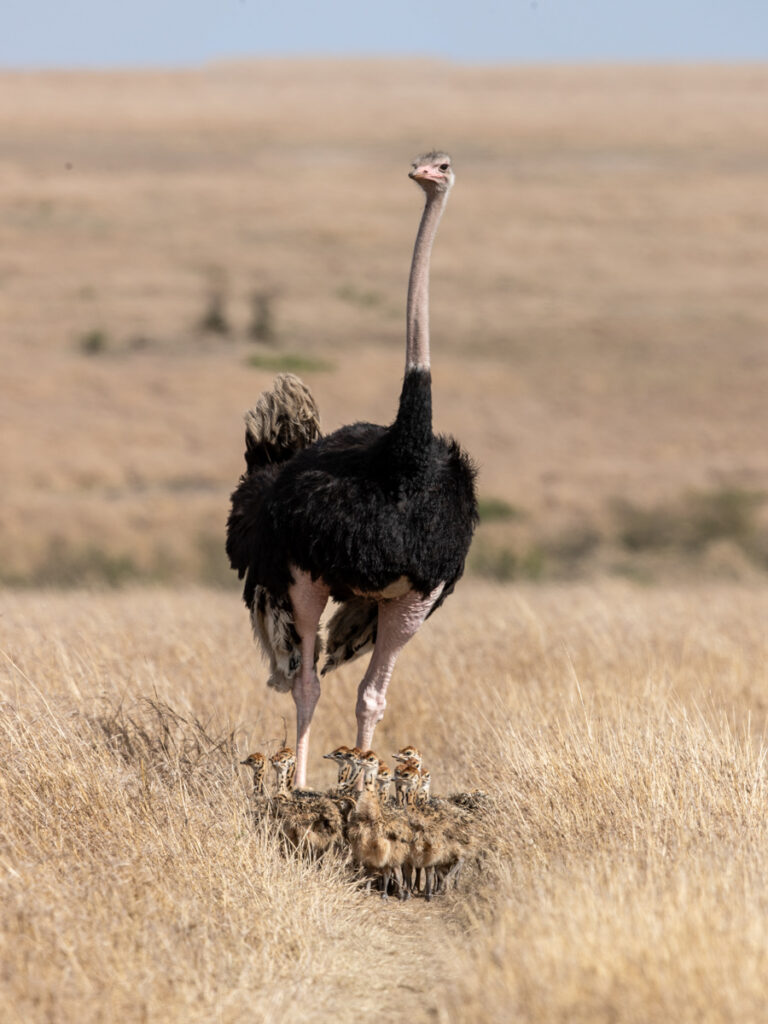
The Kind of Wildlife Shots You Come Back With
As the experience unfolds, the kind of images you capture starts to change. Instead of random sightings, your photos begin to reflect intention, timing, and control key elements of a successful Masai Mara photography tour.
You’re no longer just reacting to what appears in front of you. With better positioning, more time, and the right conditions, your shots start to feel more deliberate and refined. This is where the shift from casual photography to high-quality wildlife photography in Masai Mara becomes visible.
You find yourself capturing:
- Natural interactions between animals that tell a story
- Movement and behavior instead of static, lifeless poses
- Scenes with clean backgrounds and well-balanced light
- Subjects framed with better composition and depth
As your experience builds, you also notice:
- More consistency across your shots rather than a few lucky frames
- Better use of light, especially during early mornings and late evenings
- Stronger storytelling through sequences rather than single images
These are the moments that define a strong Masai Mara photography tour. It’s not about how many animals you see—it’s about how effectively you capture them and the quality of images you bring back.
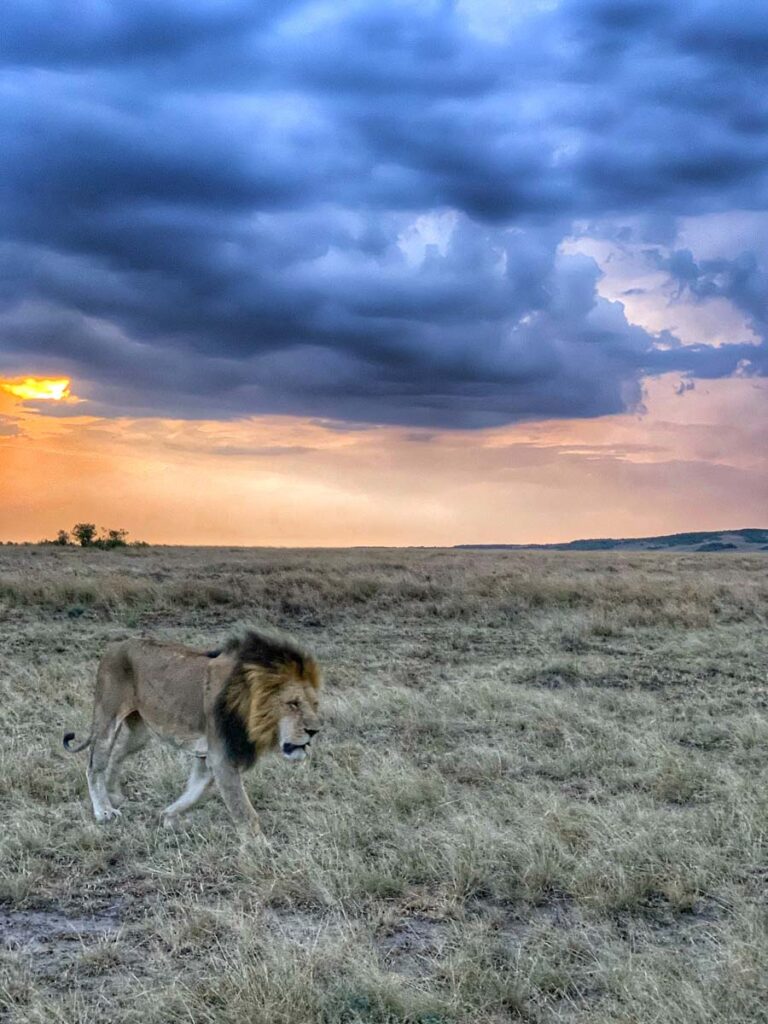
What Your Stay at Mara Siligi Camp Feels Like After a Long Day of Shooting
After spending long hours in the field, your environment plays a bigger role than you expect in how well you recover and prepare for the next day. At Mara Siligi Camp, the experience continues to support your photography journey even after the game drives end.
The camp feels calm and grounded, which is exactly what you need after an intense day of shooting. It’s clean, private, and thoughtfully maintained, allowing you to fully switch off without distractions. Instead of noise or crowding, you wake up and wind down to natural sounds, which adds to the overall sense of being immersed in the environment.
What stands out is how everything is handled without friction. Meals are well-prepared and consistent, giving you the energy needed for early starts and long drives. The staff is attentive and professional, but never intrusive, creating a comfortable rhythm throughout your stay.
As the days go on, you begin to notice how this balance impacts your experience:
- You feel more rested despite early mornings and late returns
- You stay mentally focused for longer during game drives
- You’re able to review and reflect on your shots without feeling rushed
This kind of environment supports not just comfort, but performance. When your body and mind are well-rested, your ability to observe, anticipate, and shoot improves significantly.
It’s not just about luxury it’s about creating the right conditions for a sustained, high-quality Masai Mara photography tour, where you can consistently show up ready to capture your best work.
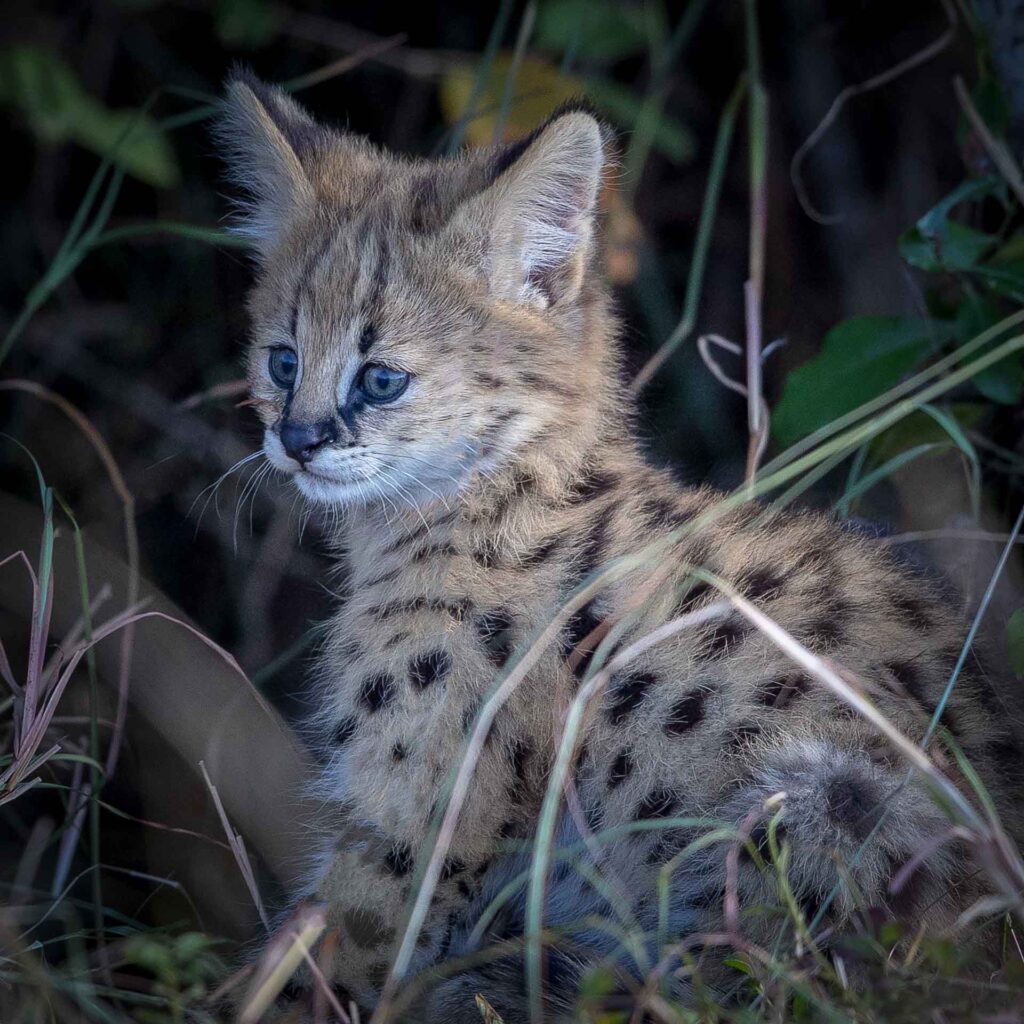
Who This Experience Is Perfect For
This kind of Masai Mara photography tour works best for travelers who are focused on results, not just the experience itself. It’s designed for those who want their safari to translate into strong, meaningful images not just memories.
It’s especially well-suited if you:
- Want to actively improve your wildlife photography skills in Masai Mara rather than just take casual photos
- Prefer flexible schedules that adapt to light and animal behavior instead of fixed itineraries
- Value fewer crowds, giving you better positioning and cleaner compositions
- Are specifically exploring Masai Mara photography tour packages for photographers, not general tourist safaris
As you go through the experience, you’ll notice that everything from game drives to overall pacing is aligned with helping you shoot better. There’s a clear shift from passive sightseeing to a more focused, photography-driven approach.
If your goal is to return with images you’re genuinely proud of, not just a gallery of random sightings, this kind of setup aligns perfectly with what a serious Masai Mara photography tour should offer.
Final Thoughts
A Masai Mara photography tour can either leave you with average images or truly memorable, portfolio-worthy shots. The difference rarely comes down to luck it comes down to how your entire safari is structured and executed.
When your experience prioritizes the right elements light, timing, positioning, and flexibility you naturally start seeing better results. You’re no longer chasing sightings; you’re creating images with intention. That shift is what defines a successful Masai Mara photography tour for wildlife photographers.
Choosing the right place also plays a critical role. At Mara Siligi Camp, the environment, guidance, and overall setup are aligned with what photographers actually need, making it easier to stay consistent and focused throughout your journey.
In the end, it’s not about how many photos you take it’s about how many you’re proud to keep, and how well your Masai Mara photography tour helps you get there.
FAQs
A photography tour focuses on light, positioning, and timing, helping you capture better images instead of just seeing wildlife.
Yes, the right setup guides, vehicles, and flexible schedules significantly improves your chances of capturing high-quality wildlife shots.
Yes, it offers a photography-focused experience with proper guidance, flexible game drives, and conditions that support better shooting results.