5 Key Factors for Stunning Masai Mara Photography Tour
If you’re planning a masai mara photography tour, you’re probably imagining stunning wildlife shots—lions in golden light, elephants walking through dramatic landscapes, and perfectly timed action moments.
But here’s the truth most travelers only realize after their trip:
Being in the Masai Mara doesn’t guarantee great photos.
You can spend thousands on a safari and still come back with images that feel average.
Why does this happen?
Because wildlife photography isn’t about luck it’s about planning for the right conditions.
In this guide, you’ll learn exactly what determines whether your safari delivers portfolio-worthy shots or just memories.
Table of Contents
- The Expectation vs Reality of Safari Photography
- The 5 Factors That Make or Break Your Photos
- Timing the Migration vs Timing the Shot
- How to Plan a Photography-First Safari (Not a Tourist Safari)
- Why Mara Siligi Camp Works Better for Photographers
- Quick Tips Before You Book
- Conclusion
The Expectation vs Reality of Safari Photography
When you plan a masai mara photography tour, it’s easy to picture every moment turning into a perfect frame. But the reality of wildlife photography is far more dynamic and that’s exactly why preparation matters.
What You Expect
- Wildlife everywhere, constantly moving and easy to photograph
- Effortless shooting conditions where you just point and click
- Animals positioned perfectly in open landscapes with clean backgrounds
- Soft golden light throughout your game drives
- Enough time to adjust your camera settings and frame the perfect shot
- Every sighting turning into a portfolio-worthy image
These expectations are often shaped by curated images you see online but those are carefully selected moments from a much longer, unpredictable experience on a masai mara photography tour.
What Actually Happens
- Animals may be far away, partially hidden in grass, or completely inactive
- Light can be harsh during midday or flat due to weather conditions
- Safari vehicles may crowd the sighting, limiting your shooting angle
- You might be on the wrong side of the light or too late to reposition
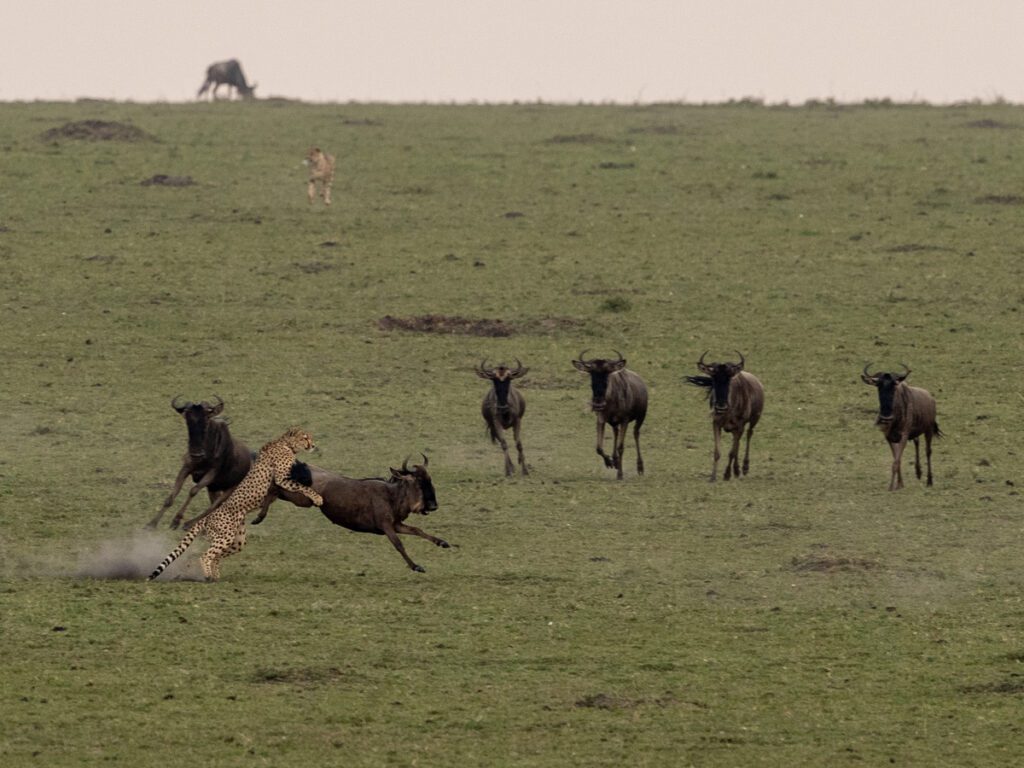
- The best wildlife action like a hunt or interaction can happen in seconds
- Your time at sightings may be limited depending on the safari setup
On a masai mara photography tour for wildlife photographers, these real-world challenges often decide whether you capture a strong image or just a memory.
The 5 Factors That Make or Break Your Photos
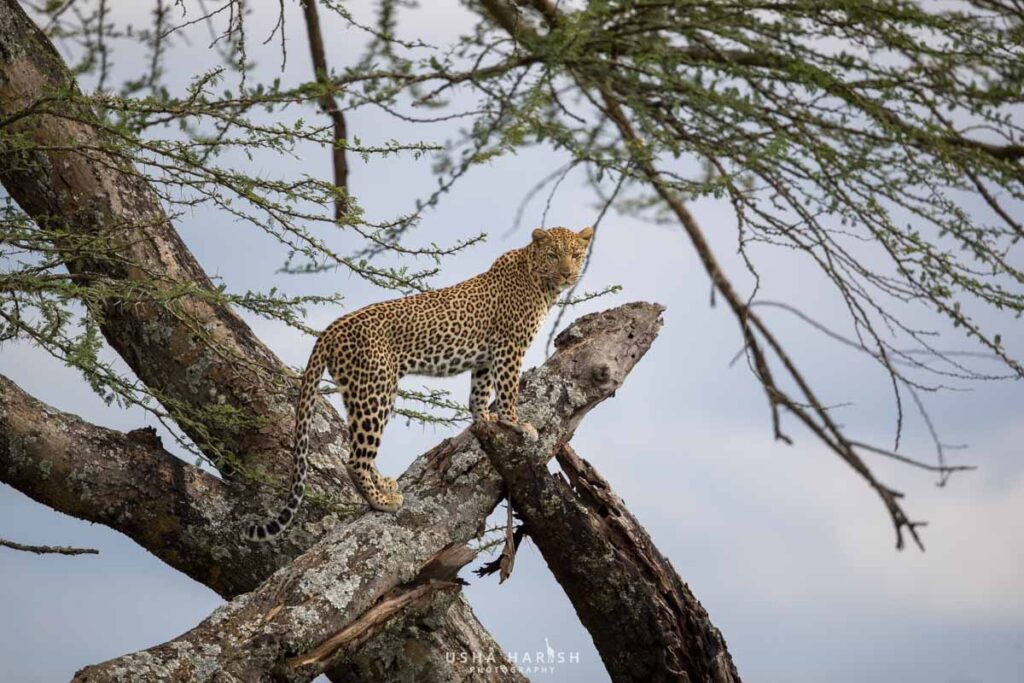
1. Light Direction (Not Just Time of Day)
You already know golden hour matters—but here’s what most people miss:
It’s not just when you shoot—it’s where the light falls.
- Front lighting = clean, detailed shots
- Side lighting = depth and drama
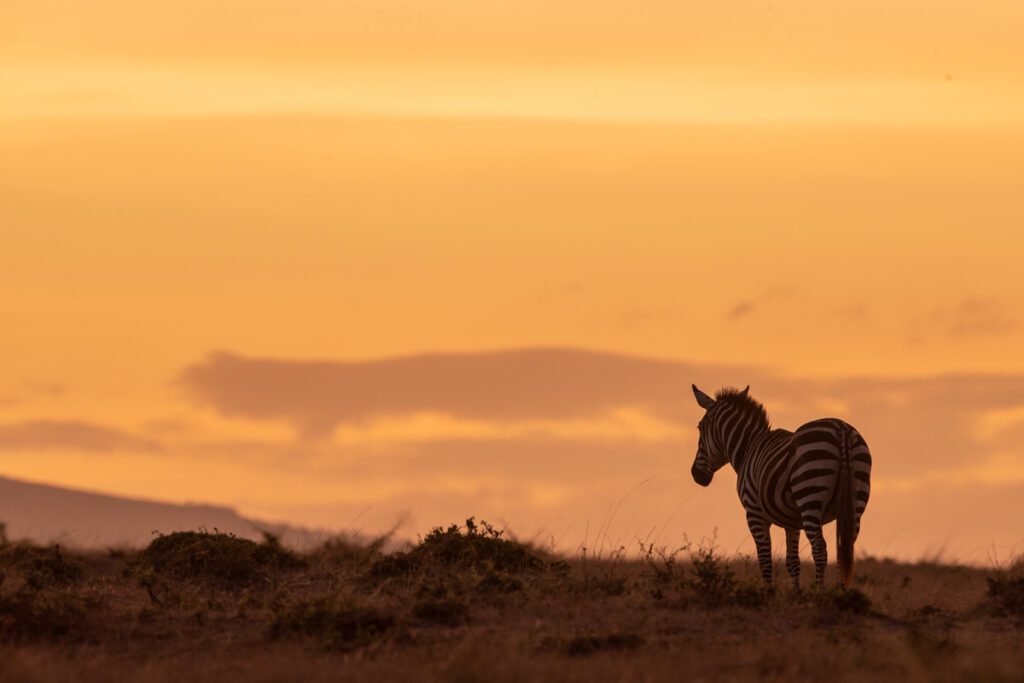
- Backlighting = silhouettes and mood
If your vehicle isn’t positioned correctly, even golden hour won’t save your shot. On a masai mara photography tour, understanding light direction is one of the most important skills you can develop. The same scene can look completely different depending on how the light hits your subject. A well-positioned vehicle can turn a simple sighting into a dramatic frame, while poor positioning can flatten even the most exciting moment. This is why experienced photographers prioritize light positioning in wildlife photography over simply being present at the right time.
2. Vehicle Positioning
This is one of the biggest differences between average and professional results.
Ask yourself:
- Can your guide reposition quickly?
- Do you have space to shoot from different angles?
In many safaris:
- Vehicles line up
- Angles get blocked
- You’re forced to shoot from one side
Result: cluttered, flat images. On a masai mara photography tour with private vehicle, positioning becomes a major advantage. You can adjust your angle based on light, isolate your subject, and avoid distractions in the frame. Without this flexibility, even great sightings can result in ordinary photos. The ability to move, wait, and reframe is what separates a casual safari from a professional wildlife photography experience in Masai Mara.
3. Guide Awareness for Photography
A great guide doesn’t just find animals they help you photograph them better.
You need someone who understands:
- Light direction
- Animal movement
- Clean backgrounds
- When to move (and when to wait)
Without this, you’ll often be:
- Too far
- Poorly aligned with light
- Late to the moment
On a well-planned masai mara photography tour for wildlife photographers, your guide plays a critical role in your final results. A photography-aware guide anticipates behavior, positions the vehicle for the best angle, and helps you stay ready for action. They know when to hold position and when to adjust, which can make the difference between missing a moment and capturing a powerful shot. This level of understanding is rarely found in standard safaris but is essential for serious safari photography tours in Masai Mara.
4. Time Spent at Sightings
Most people underestimate this.
Great shots require patience.
If your safari:
- Rushes from one sighting to another
- Limits your time
You’ll miss:
- Behavior
- Interaction
- Action moments
On a typical safari, the focus is often on seeing more animals rather than capturing better moments. But on a masai mara photography tour, quality always beats quantity. Spending more time at fewer sightings allows you to observe patterns, wait for interaction, and capture storytelling images. Many of the best wildlife photos come after several minutes—or even longer—of waiting. If your schedule is rushed, you lose those opportunities that define a high-quality wildlife photography safari in Masai Mara.
5. Crowd Control
More vehicles = fewer opportunities.
In crowded areas:
- You can’t reposition
- Backgrounds get messy
- Animals get disturbed
A quieter setting dramatically improves your chances of capturing clean, powerful frames. On a crowded masai mara safari photography tour, your creative control drops significantly. You’re forced to work around other vehicles, distractions enter your frame, and animals may behave differently due to pressure. In contrast, a low-density safari setup allows you to focus on composition, experiment with angles, and capture more natural behavior. This is why photographers often prefer less crowded areas of Masai Mara for photography tours, where they can work without interruptions and create stronger, cleaner images.
Timing the Migration vs Timing the Shot
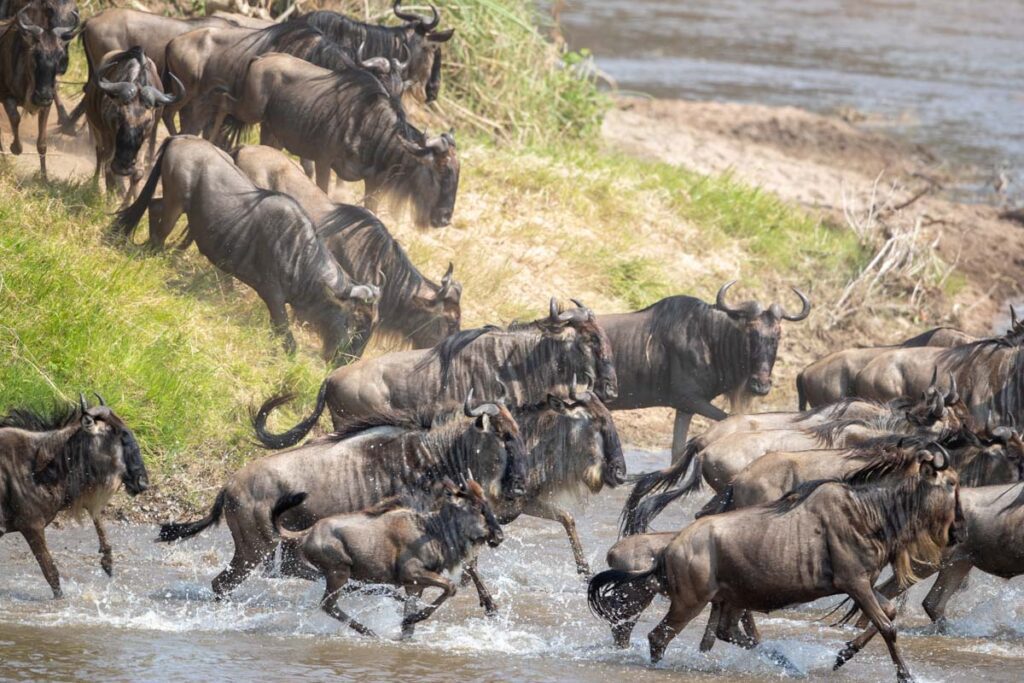
Many travelers plan their masai mara photography tour around the Great Migration.
Yes, it’s spectacular and offers some of the most dramatic wildlife moments in Africa.
But here’s the reality most photographers only realize later:
Being there during migration doesn’t guarantee great photos, especially if conditions don’t align.
Why?
Because:
- River crossings are unpredictable—you may wait for hours and still miss the action or get poor positioning
- Crowds increase significantly, with multiple vehicles surrounding sightings and limiting your angles
- Positioning becomes harder, making it difficult to align your shot with the right light and clean background
Instead, focus on what actually improves your results on a masai mara photography tour:
- Light conditions, especially soft golden hour lighting that adds depth, color, and drama to your images
- Animal behavior, where waiting for interaction or movement creates stronger storytelling shots
- Flexibility in your schedule, allowing you to stay longer at sightings and adjust based on real-time conditions
Sometimes, a quiet lion interaction in perfect light beats a chaotic river crossing, especially when your goal is capturing high-quality wildlife photography in Masai Mara rather than just witnessing the event.
How to Plan a Photography-First Safari (Not a Tourist Safari)
If photography is your priority, you need to plan your masai mara photography tour very differently from a regular safari. Instead of focusing only on sightseeing or luxury, you need to prioritize conditions that help you capture better images.
Choose Flexibility Over Fixed Itineraries
Avoid rigid schedules that rush you from one sighting to another without giving you time to shoot properly. On a photography-focused masai mara safari tour, flexibility is everything.
Look for:
- Early departures so you can shoot in soft morning light and catch active wildlife
- Late returns that allow you to fully use golden hour and low-light conditions
- Freedom to stay longer at sightings, especially when interesting behavior is unfolding
This flexibility is what allows you to capture golden hour wildlife photography in Masai Mara instead of settling for average midday shots.
Prioritize Private or Low-Density Safaris
If your goal is strong images, avoid crowded safari setups. Choosing a private masai mara photography tour or a low-density experience gives you a clear advantage.
This gives you:
- Better angles without other vehicles blocking your frame
- More control over positioning and movement
- Less pressure to rush or adjust based on other guests
Fewer vehicles mean cleaner compositions and a much higher chance of capturing professional wildlife photos in Masai Mara.
Communicate Your Photography Goals
Before booking your masai mara photography tour, make sure your expectations are clearly understood. Not all safaris are designed for photographers.
Ask:
- Do guides understand photography needs like light direction and positioning?
- Can vehicles be adjusted based on light and subject movement?
- Is there flexibility during sightings to wait for better moments?
Clear communication ensures your safari is aligned with your goal of capturing high-quality wildlife photography, not just sightseeing.
Focus on Experience, Not Just Luxury
Luxury matters—but for photographers, it’s not the deciding factor. A high-end stay won’t guarantee better photos if the safari experience is limited.
What matters more on a masai mara wildlife photography tour is:
- Access to the right locations at the right time
- Time spent observing and waiting for the perfect shot
- Expertise of guides who understand both wildlife and photography
When you prioritize these factors, you turn your trip into a results-driven masai mara photography tour, not just a comfortable vacation.
Why Mara Siligi Camp Works Better for Photographers
If you want your masai mara photography tour to deliver real results, where you stay plays a huge role in the kind of images you come back with—not just your overall comfort.
At Mara Siligi Camp, the entire experience is designed keeping photographers in mind, so you’re not adjusting to the safari—the safari adapts to you.
What Makes the Difference
1. Photography-Focused Planning
Game drives are not just scheduled—they’re timed around the best shooting conditions.
- Game drives align with golden hour for soft, directional light
- Flexible schedules based on real-time wildlife activity
- No unnecessary rushing between sightings
This approach ensures your masai mara photography tour focuses on capturing strong images rather than just covering more ground.
2. Expert Guides Who Understand Photography
Guides here go beyond spotting wildlife—they actively help you improve your shots.
- Position vehicles based on light direction for better exposure
- Anticipate animal movement so you’re ready before the moment happens
- Help you find clean backgrounds and better framing
This makes a noticeable difference in a masai mara wildlife photography tour, where small adjustments can completely transform your results.
3. Modified Safari Vehicles
The vehicle setup directly impacts your ability to shoot comfortably and creatively.
- Designed for better shooting angles compared to standard safari vehicles
- More space and flexibility to move while shooting
- Comfortable during long waits at sightings
This allows you to focus on composition and timing, making your masai mara photography tour for photographers far more effective.
4. Low-Density Experience
Fewer vehicles mean better control and cleaner shots.
- Less crowding at sightings, giving you better positioning
- Cleaner backgrounds without distractions
- More natural animal behavior due to minimal disturbance
This significantly improves your chances of capturing high-quality wildlife photography in Masai Mara.
5. Comfort That Supports Long Shoots
Photography safaris can be demanding, so your stay should support your energy and focus.
- Clean, peaceful environment to rest after long drives
- Fresh, high-quality food to keep you energized
- Relaxed atmosphere that helps you recharge
This balance ensures you stay consistent and perform better throughout your masai mara safari photography tour, especially during early mornings and late evenings.
When all these elements come together, your masai mara photography tour becomes more controlled, more flexible, and far more rewarding—giving you a much higher chance of coming back with images that truly stand out.
Quick Tips Before You Book
Before finalizing your masai mara photography tour, it’s important to look beyond basic safari details and focus on what actually impacts your photography results. Small decisions at this stage can make a huge difference in the quality of images you capture.
- Ask about vehicle setup for photographers
Make sure the safari vehicle is designed or adapted for photography, with enough space and flexibility to shoot from different angles. A proper setup directly improves your ability to capture clean, well-composed shots on a masai mara photography tour. - Confirm flexibility in game drive timings
Avoid fixed schedules that limit your time in the field. Look for safaris that allow early departures, late returns, and extended time at sightings so you can fully utilize golden hour lighting. - Check if guides understand light and positioning
A guide who understands photography can position the vehicle based on light direction, anticipate animal movement, and help you get better angles. This is essential for a successful masai mara wildlife photography tour. - Avoid overly crowded safari setups
Too many vehicles at sightings reduce your control and limit your composition options. Choosing a low-density safari improves your chances of capturing clean, distraction-free images. - Don’t rely only on general travel reviews
Most reviews focus on comfort and hospitality, not photography. Instead, look for insights specific to masai mara photography tour experiences—like guide expertise, flexibility, and shooting conditions.
Instead, focus on what actually impacts your photos—light, positioning, access, and time.
Conclusion
A masai mara photography tour can either give you unforgettable, portfolio-worthy images—or just a collection of average shots.
The difference doesn’t come down to luck.
It comes down to:
- Planning your safari around photography, not just travel
- Positioning yourself correctly for light and composition
- Timing your drives for the best natural conditions
- Choosing the right safari setup that supports your goals
When you prioritize these factors—and choose a place like Mara Siligi Camp—you dramatically increase your chances of coming back with photos you’re truly proud of.
Ready to capture the Masai Mara the right way?
Plan your photography-focused safari with Mara Siligi Camp and turn your trip into a portfolio-worthy experience, not just a vacation.
FAQs
The best time depends on your goal—Great Migration (July–October) for action or green season for fewer crowds and better light conditions.
Yes, a private or low-density setup gives you better positioning, flexibility, and cleaner shots compared to shared safaris.
A good camp offers flexible timings, photography-aware guides, proper vehicle setup, and low crowd density for better shooting conditions.