Book a Masai Mara Photography Tour to Save Costs
Planning your Masai Mara photography tours is exciting—but let’s be honest, you also want the best shots and the best value for your money. The good news? With the right timing and smart planning, you can book Masai Mara photography tour packages that cost less, feel less crowded, and still deliver unforgettable wildlife moments.
This guide is written for you—whether you’re a first-time safari photographer or someone upgrading their travel game. You’ll learn exactly when to book, how to save, and how to maximize your photography experience without compromising on quality.
Table of Contents
- Understanding Seasonal Pricing for Masai Mara Photography Tours
- How Booking Early or Off-Peak Can Reduce Your Safari Costs
- Benefits of Flexible Dates for Budget-Friendly Photography Packages
- Mara Siligi Camp: Best Times for Affordable, Crowd-Free Safari Experiences
- Planning Your Masai Mara Photography Tour Around Migration and Wildlife Activity
- Tips to Maximize Value Without Compromising Your Photography Experience
Understanding Seasonal Pricing for Masai Mara Photography Tours
Timing plays a huge role in how much you pay for your safari. Masai Mara photography tours follow clear seasonal price patterns based on wildlife activity, tourist demand, and availability of camps. Once you understand how these seasons work, you can plan your trip smarter, reduce your overall costs, and still enjoy powerful wildlife encounters without compromising your photography goals.
When you choose the right season, you don’t just save money—you gain better access to prime shooting hours, calmer game drives, and more control over your safari experience. Here’s how different seasons affect the pricing of Masai Mara photography tour packages and what that means for you:
Season & Months | Cost Level on Photography Tour Packages | Crowd Levels at Sightings | Photography Experience (What You Get) |
Peak Season (July – October) | Highest pricing for Masai Mara photography tour packages | Heavy crowds at river crossings & popular sightings | Iconic Great Migration action, but crowded frames and less flexibility |
Shoulder Season (November & June) | Moderate pricing on Masai Mara photography tours | Fewer tourists inside the reserve | Soft light, strong wildlife activity, cleaner compositions |
Green / Off-Season (March – May) | Lowest prices on photography tour packages | Very low crowd pressure | Lush green backdrops, uninterrupted shooting time, calm safari flow |
How to choose:
- Pick peak season for dramatic migration shots
- Choose shoulder season for the best balance of cost + crowd-free photography
- Go off-season for the lowest prices and the most peaceful Masai Mara photography tours
What this means for you:
You save more, move freely during game drives, and capture intimate wildlife moments with fewer vehicles in your background—perfect for photographers who want calm, focused shooting sessions.
How This Helps You Save on Your Masai Mara Photography Tour
- You pay less when demand is lower, especially during off-peak months
- You get more freedom with game drive timings and longer sighting moments
- You enjoy calmer photography sessions without vehicle congestion
- You can often upgrade your stay or extend your safari within the same budget
- You get more value from your Masai Mara photography tour packages without increasing your spend
If your goal is to maximize value, the off-peak and shoulder months give you more space, more time, and more flexibility for your shots—while keeping your budget in control and your photography experience stress-free.
How Booking Early or Off-Peak Can Reduce Your Safari Costs
If you want the best deals on Masai Mara photography tour packages, your booking strategy matters just as much as your travel dates. The way you plan directly impacts how much you spend, the quality of your stay, and the freedom you get during game drives. When you book smart, you don’t just save money—you improve your overall photography experience.
Book Early to Lock Lower Prices
When you plan ahead, you put yourself in control of availability, comfort, and cost. Early booking helps you secure better value on Masai Mara photography tours, especially during high-demand months.
When you book early, you win because:
- You secure early-bird pricing before safari rates increase
- You get better room choices at photography-friendly camps
- You avoid last-minute premium charges and limited availability
- You can pick ideal dates for golden-hour lighting and peak wildlife movement
- You get more flexibility to choose tour durations and customize your itinerary
Pro tip for you:
Booking 3–6 months in advance often gets you better value on Masai Mara photography tour packages, especially if you’re planning around peak migration season when prices rise quickly and availability drops fast.
Choose Off-Peak for Maximum Savings
If your schedule is flexible, traveling during off-peak months helps you cut costs while still enjoying rewarding wildlife encounters on your Masai Mara photography tours.
When you choose off-peak travel, you benefit from:
- Lower safari package prices across most camps and operators
- Fewer vehicles during sightings, giving you cleaner photography compositions
- More relaxed photography sessions without rush or crowd pressure
- Better availability for room upgrades and longer stays
- More personalized attention from guides during game drives
Why this works for photographers:
You don’t compete for angles. You get longer moments with wildlife. You shoot without pressure. That freedom alone improves your compositions, your patience in the field, and the quality of your final images.
Benefits of Flexible Dates for Budget-Friendly Photography Packages
Flexibility is one of the strongest money-saving tools when planning Masai Mara photography tours. Even a small shift in your travel dates can unlock better pricing, wider availability, and more relaxed safari experiences. When you stay open with your schedule, you gain more control over both cost and quality—without compromising your photography goals.
How Flexibility Works in Your Favor
- Choose weekdays instead of weekends to access lower safari rates
- Avoid peak holiday dates when prices and demand surge
- Grab last-minute availability deals when camps have open slots
- Shift your travel window by a week to enter shoulder-season pricing
What You Gain When You Stay Flexible
- Lower overall package cost on Masai Mara photography tour packages
- More room choices at better-located camps inside or near the reserve
- Less crowd pressure during game drives, leading to cleaner frames
- Better access to sunrise and sunset sessions with fewer vehicles around
- More relaxed pacing for photography-focused safaris
Smart move for you:
If you’re planning a photography-first safari, prioritize time in the field over fixed calendar dates. Your photos improve when your schedule adapts to wildlife movement and natural light—rather than rigid holiday timelines.
Mara Siligi Camp: Best Times for Affordable, Crowd-Free Safari Experiences
Where you stay plays a major role in how your Masai Mara photography tours unfold. A camp located close to wildlife corridors reduces travel time, preserves energy during long game drives, and helps photographers reach sightings at the best light. Staying at Mara Siligi Camp places guests inside the reserve, allowing more time in prime photography zones and less time on transit routes.
For those researching Masai Mara photography tour packages with accommodation inside the reserve, choosing the right months can significantly lower costs while improving access to key wildlife areas. Traveling during value-friendly periods creates space for calmer game drives, uninterrupted shooting time, and more relaxed photography sessions.
Best Months to Book at Mara Siligi Camp for Value
Travelers looking for affordable pricing and crowd-free safari experiences during Masai Mara photography tours should consider the following windows:
March to May (Green / Off-Season)
- Lower package costs on Masai Mara photography tour packages with camp stays inside the reserve
- Fewer safari vehicles at sightings, resulting in cleaner compositions
- Quiet mornings suited for slow, deliberate photography
- Lush green landscapes that add depth and drama to wildlife frames
- Greater flexibility with room availability and extended stays
November & Early June (Shoulder Season)
- Shoulder-season pricing with better value than peak migration months
- Strong wildlife activity without heavy tourist traffic
- Improved access to prime viewing zones across the reserve
- Balanced mix of comfort, availability, and affordability
- Ideal conditions for photographers seeking quality light without crowds
These months suit photographers searching for budget-friendly Masai Mara photography tour packages that still offer consistent wildlife encounters and strong shooting conditions.
Why This Timing Improves the Photography Experience
Choosing value-friendly months at Mara Siligi Camp enhances photography results in several practical ways:
- Faster access to sightings due to proximity to wildlife corridors
- More time spent photographing and less time driving between zones
- Cleaner frames with fewer safari vehicles in the background
- More natural wildlife behavior with reduced disturbance
- Longer, calmer shooting windows during golden hours
- Less fatigue across multiple game drives, leading to sharper creative focus
For photographers, fewer crowds lead to cleaner compositions and calmer subjects. That’s real value—beyond just saving on Masai Mara photography tour packages.
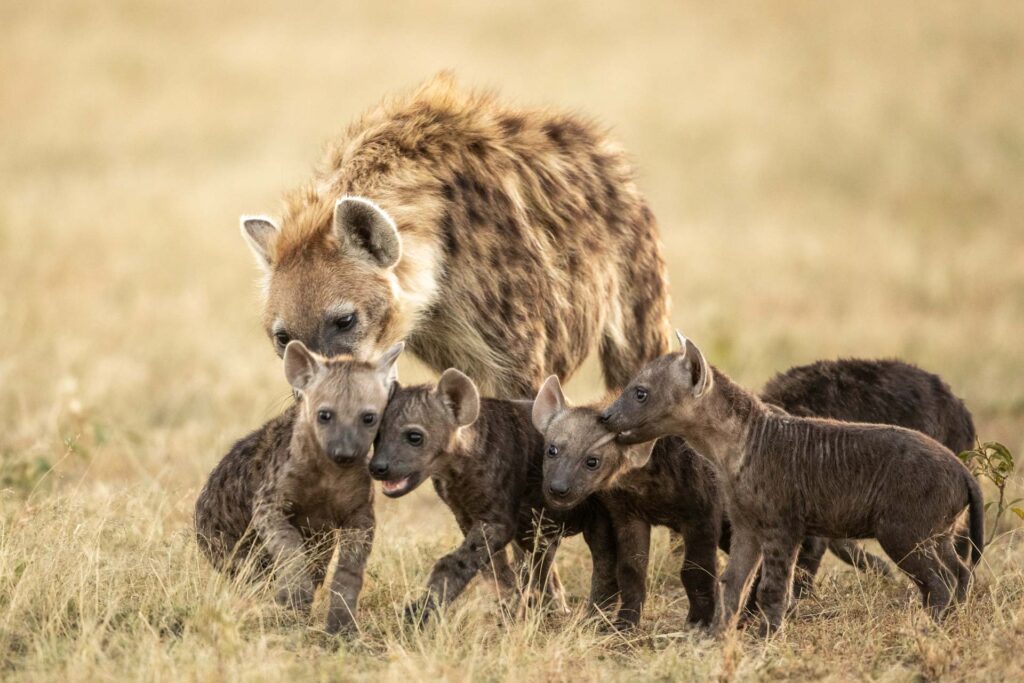
Planning Your Masai Mara Photography Tour Around Migration and Wildlife Activity
Saving money doesn’t mean sacrificing wildlife encounters. Well-planned Masai Mara photography tours focus on smart wildlife timing—not hype alone. While the Great Migration draws global attention, several other months deliver powerful photography opportunities at a lower cost and with fewer crowds.
Best Times to Plan Masai Mara Photography Tours by Season & Wildlife Activity
Season / Months | Cost Level | Wildlife Highlights | Photography Benefits | Crowd Levels |
Great Migration (July – October) | Premium pricing | Iconic river crossings, large herds | Dramatic action shots, dust-filled frames, intense moments | Heavy crowd density |
January – February | Moderate | High predator activity, big cats in action | Excellent for lion, leopard, and cheetah photography | Lower than peak season |
March – May | Lowest (off-season) | Seasonal wildlife behavior, green landscapes | Dramatic skies, cinematic backdrops, fewer vehicles | Very low crowd pressure |
November – December | Shoulder season | Migratory herds still present | Fresh landscapes, balanced light, calm shooting windows | Lower tourist congestion |
Why This Planning Strategy Works
- Powerful wildlife moments occur year-round across Masai Mara photography tours
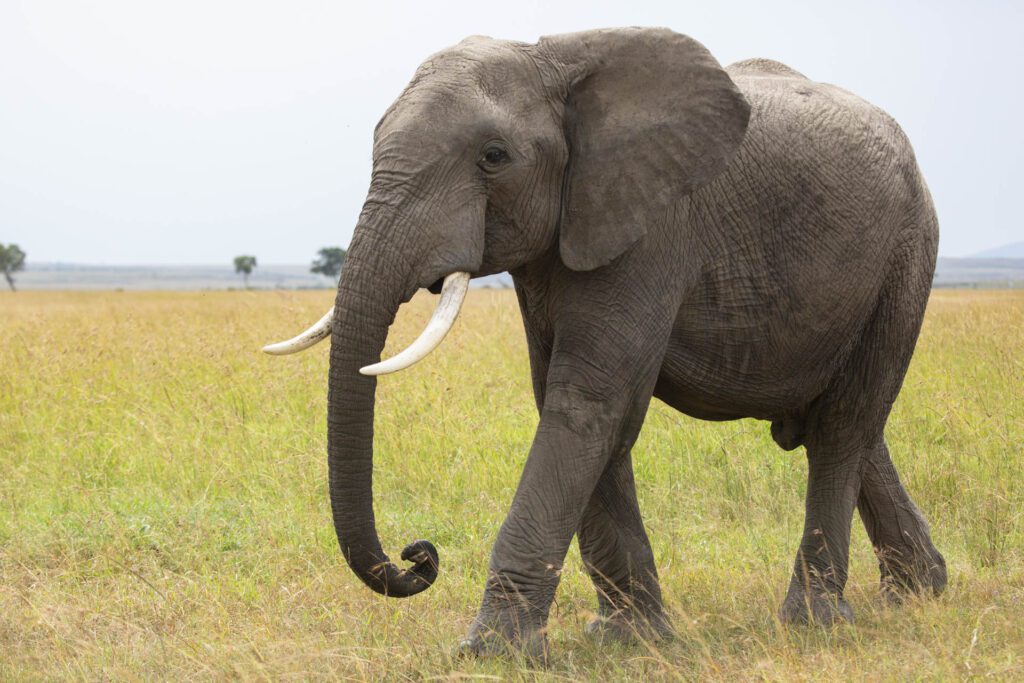
- Big cats, elephants, and dramatic landscapes remain consistent outside migration season
- Off-peak and shoulder months reduce competition at sightings
- Lower costs often come with longer viewing time and calmer shooting conditions
- Cleaner frames become easier to capture without vehicle congestion
Key takeaway:
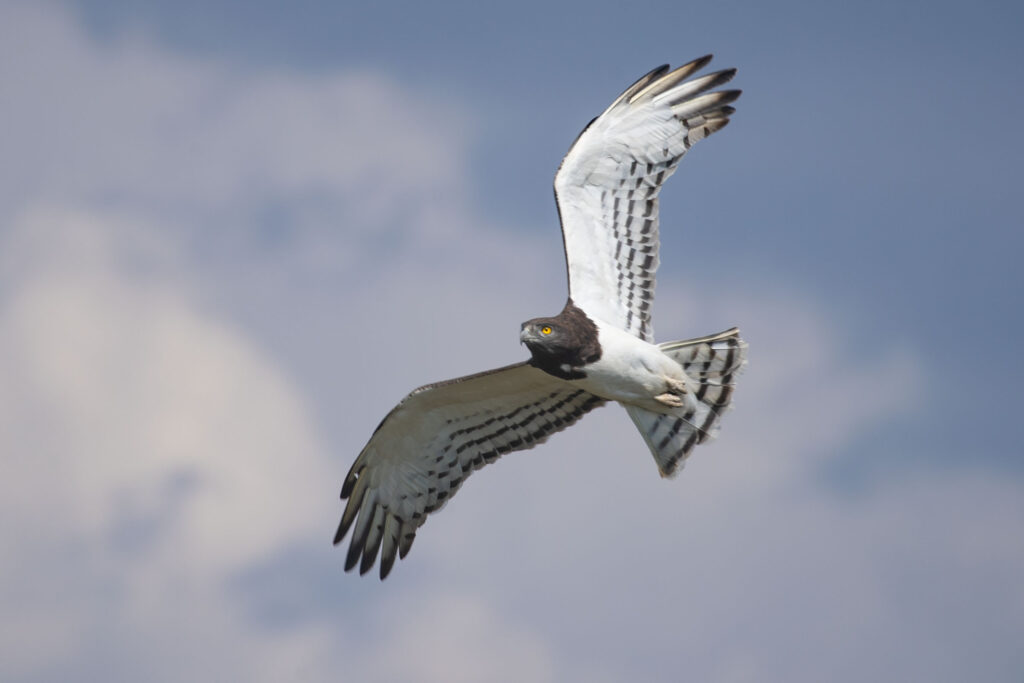
Migration season isn’t the only window for powerful images. Lions, leopards, elephants, cheetahs, and dramatic landscapes appear throughout the year. The right timing simply helps photographers spend less and shoot more—while still enjoying rich wildlife encounters on Masai Mara photography tour packages.
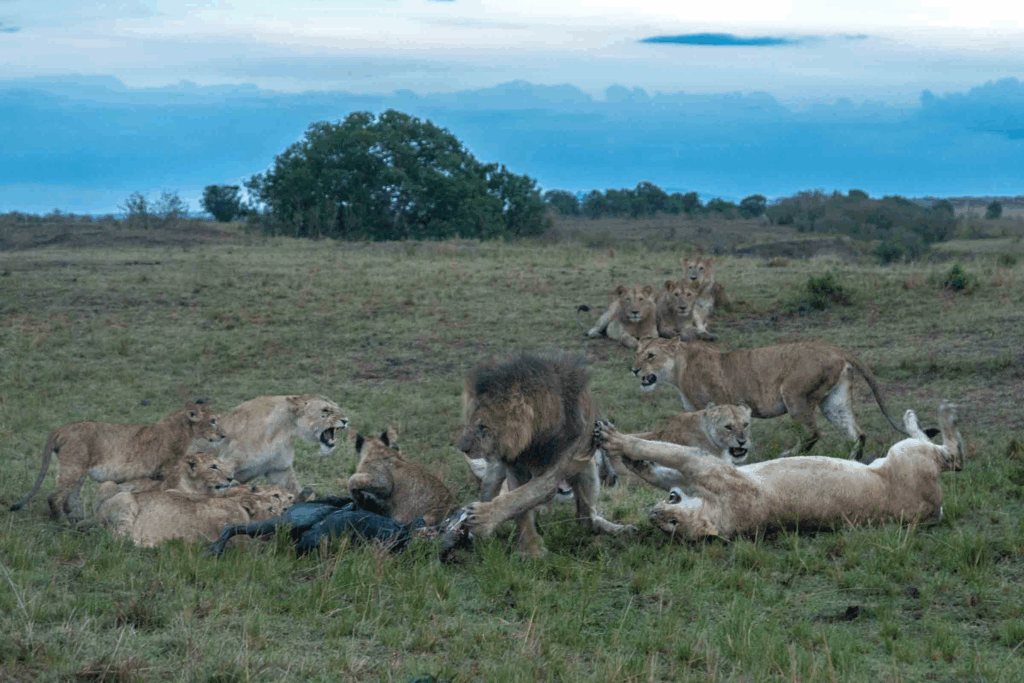
Tips to Maximize Value Without Compromising Your Photography Experience
Great photos don’t require overspending. With the right planning, Masai Mara photography tour packages can deliver both strong value and powerful shooting opportunities. The goal is to spend on what improves time in the field—and cut what doesn’t directly support your photography.
Choose Camps Inside the Reserve
Staying inside the reserve improves access to prime wildlife zones and golden-hour light.
- Less travel time between sightings
- Earlier access to wildlife activity zones
- More time available for sunrise and sunset photography
Pick Smaller Group Tours
Smaller groups create better shooting conditions on Masai Mara photography tours.
- Cleaner shooting angles with fewer obstructions
- More freedom to reposition during sightings
- Better communication with guides for photography needs
Prioritize Game Drive Timing Over Luxury Add-ons
Field access matters more than extra frills when photography is the goal.
- Morning and evening drives deliver the best light
- Wildlife activity peaks during cooler hours
- Comfortable stays help recovery, but location and timing shape results
Pack Smart to Avoid Extra Costs
Smart packing reduces unnecessary expenses and protects gear in the field.
- Carry personal photography equipment to avoid rental fees
- Use protective covers for dust, rain, and temperature changes
- Travel light to reduce baggage costs and improve mobility
Ask for Photography-Focused Itineraries
Photography-first planning improves results on Masai Mara photography tours.
- Longer time spent at active sightings
- Better positioning for light and composition
- Fewer rushed transitions between locations
When the itinerary is built for shooting—not sightseeing alone—photography quality improves naturally.
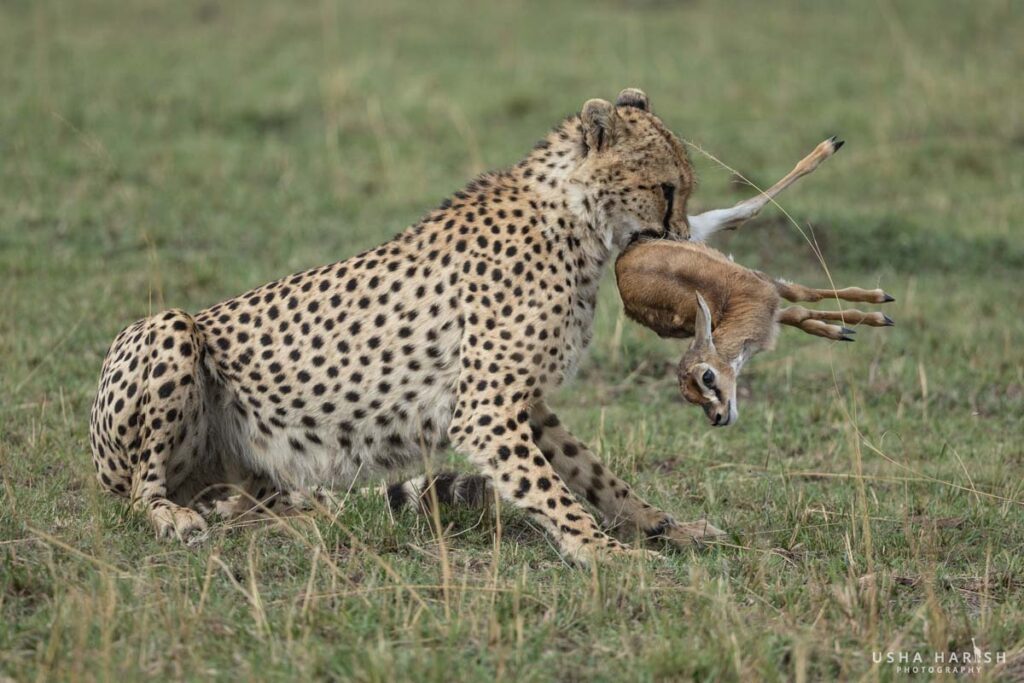
Final Thoughts: Book Smart, Shoot Better
World-class Masai Mara photography tours don’t require overspending. Smart planning helps balance budget, access, and photography quality. When timing, flexibility, and location align, the safari experience becomes more rewarding—both creatively and financially.
Well-planned Masai Mara photography tour packages deliver real value by offering:
- Lower overall safari costs without compromising core experiences
- Fewer crowds at sightings, leading to cleaner compositions
- More shooting time during golden-hour windows
- Better natural light conditions for wildlife photography
- Stronger, calmer wildlife encounters with less disturbance
Choosing Masai Mara photography tour packages that balance seasonality, camp location, and flexible dates helps photographers return with images worth framing—without stretching the budget.
A safari doesn’t improve because more money was spent.
It improves because the trip was planned with purpose, timing, and photography-first priorities.
FAQs
Off-peak months (March–May) offer the lowest prices, fewer crowds, and calmer safari conditions—perfect for photographers seeking uninterrupted wildlife moments.
Shifting your dates to shoulder seasons or weekdays lowers costs, improves camp availability, and gives more freedom during game drives for better shots.
Not at all. Shoulder and off-peak months still offer strong predator activity, lush landscapes, and dramatic light—without high prices or heavy crowds.