Insights from a Masai Mara Photography Tour
At mara siligi camp, we meet guests every season who arrive excited to see wildlife.
By the time they leave, most of them tell us something different:
“I didn’t just see animals. I learned how to wait for moments.”
That’s the real difference between a regular safari and a Masai Mara photography tour.
Seeing wildlife is instant.
Photographing a moment takes patience, awareness, and the right setting.
If you’re planning a Masai Mara photography tour package, this guide will help you understand how your experience shifts from casual observation to meaningful capture, and why camp location, timing, and mindset matter just as much as your camera.
Table of Contents
- Experiencing Wildlife vs. Capturing It: What Sets Them Apart
- Why a Masai Mara Photography Tour Changes the Way You See Animals in the Wild
- Key Techniques to Transform a Wildlife Sighting into a Memorable Photograph
- Understanding Patience and Timing in Wildlife Photography
- Choosing the Right Safari Camp or Location for Picture-Perfect Moments
- Planning Your Wildlife Photography Trip: From Observation to Capture
Experiencing Wildlife vs. Capturing It: What Sets Them Apart
On a standard safari, the rhythm is usually fast:
- Spot an animal
- Take a few photos
- Move on
That’s seeing wildlife, a fleeting experience that’s mostly about checking off species from a list.
On a Masai Mara photography tour, the pace changes completely. Guests are encouraged to:
- Observe animal behavior carefully
- Anticipate movement and interactions
- Wait for the perfect light, unique expressions, or rare moments
The difference is simple:
- Seeing wildlife is about presence
- Photographing a moment is about intention
Instead of asking, “What animal is this?”
You begin asking, “What is about to happen, and how can I capture it perfectly?”
This shift transforms your safari experience. On a Masai Mara photography tour package, it affects everything, from how long you linger at each sighting to how the vehicle is positioned for clean compositions and optimal natural light. You start noticing subtle details: a lion stretching under the golden morning sun, a herd of elephants interacting in the distance, or a cheetah pausing before a sprint.
By slowing down, you move beyond simply seeing wildlife to truly capturing iconic moments. And that’s what makes a Masai Mara photography tour so different from a regular safari, it’s not just about the animals you see, but the stories you create with your camera.
Why a Masai Mara Photography Tour Changes the Way You See Animals in the Wild
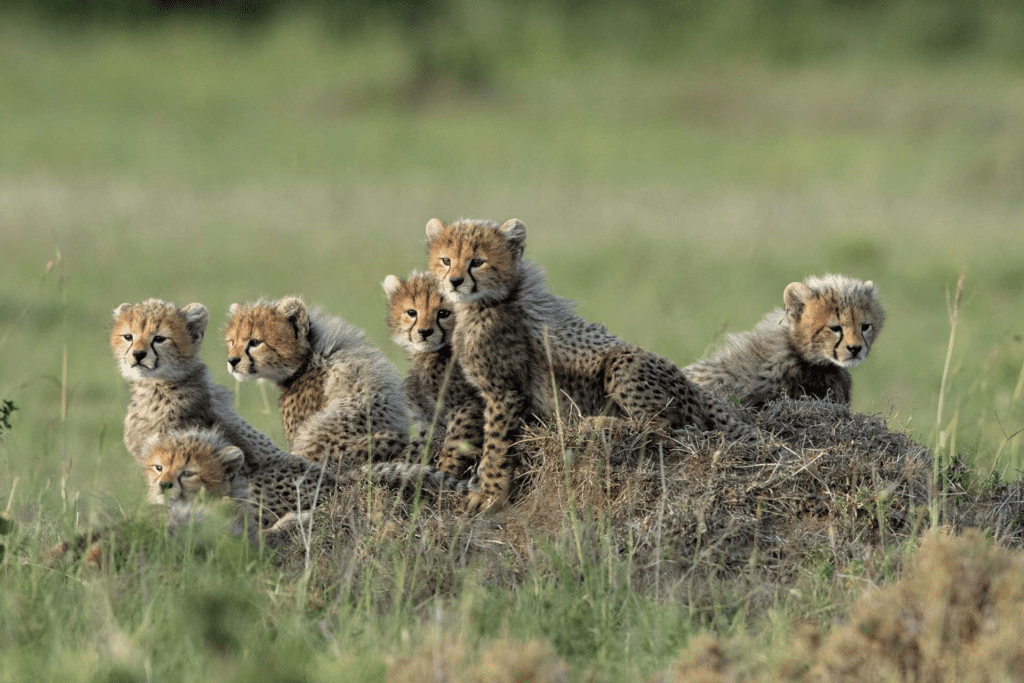
The Masai Mara is famous not only for its incredible wildlife density but also for the rich, fascinating behavior that unfolds every day. On a regular safari, you might see the animals, but on a Masai Mara photography tour, you learn to truly observe them.
From our experience at Mara Siligi Camp, the most remarkable transformation happens when guests stop chasing every sighting and begin noticing patterns, small details, and interactions that others often miss.
You start to observe:
- A lion adjusting its posture before standing, ready to move across the plains
- A cheetah scanning the horizon, muscles tensing, moments before a sprint
- Elephants communicating quietly within the herd, displaying family bonds
Photography-focused guides make all the difference. They help you:
- Predict moments instead of reacting, giving you the opportunity to frame the perfect shot
- Position your vehicle strategically for clean, dramatic compositions
- Stay longer at a scene, capturing interactions as they naturally unfold
This is why Masai Mara photography tour packages are designed differently from standard safaris. They emphasize:
- Smaller groups per vehicle for unobstructed shooting opportunities
- Extended time at each sighting, allowing you to wait for peak moments
- Flexible schedules that revolve around lighting conditions, animal activity, and golden hours
The rush of a typical safari fades. Purpose takes over. Instead of fleeting snapshots, you begin capturing images that tell a story, authentic, dynamic, and unforgettable.
By combining expert guidance, carefully planned itineraries, and immersive observation, a Masai Mara photography tour transforms the way you see the wild, and the way you capture it forever.
Key Techniques to Transform a Wildlife Sighting into a Memorable Photograph
At Mara Siligi Camp, we’ve hosted countless photographers over the years, and one thing becomes clear: strong wildlife photographs are rarely accidental. On a Masai Mara photography tour, every shot tells a story, when you know how to observe, anticipate, and capture it.
Here’s what consistently makes the difference on a Masai Mara photography tour package:
1. Focus on Behavior, Not Just the Animal
Instead of collecting mere sightings, pay attention to animal behavior. The smallest gestures can transform a snapshot into a memorable photograph.
Look for:
- Eye contact that conveys emotion
- Interaction between animals, play, grooming, or subtle social signals
- Movement that tells a story, like a predator stalking or a herd moving together
These details elevate your photo from a record shot to a storytelling image, which is exactly what a photography-focused safari is all about.
2. Let the Landscape Work for You
The Masai Mara is not just home to wildlife, it’s a photographer’s dream canvas. Wide-open plains, dramatic skies, and soft golden grass provide the perfect natural backdrop.
When framing your shot:
- Use natural elements as frames for your subject
- Incorporate leading lines like riverbanks or grass patterns
- Keep backgrounds clean and uncluttered, highlighting the animal in its environment
By combining wildlife and landscape thoughtfully, you create photos that are both dynamic and visually compelling, a hallmark of any Masai Mara photography tour.
3. Follow the Light, Not the Clock
The difference between an ordinary photo and a breathtaking one often comes down to lighting. On our photography tours, early mornings and late afternoons are magic hours:
- Softer, diffused light that reduces harsh shadows
- Longer shadows that add depth
- Warm tones that make the scene feel alive
This is why Masai Mara photography tour packages are structured around light, not rigid schedules. By aligning game drives with golden hours, you maximize your chance of capturing images that truly stand out.
4. Wait Longer Than You Think You Should
Patience is key on any wildlife photography trip. Many of the best images happen after the first few shots. Often, the strongest frame emerges:
- When the animal turns or reacts to something unseen
- When interactions between animals begin or peak
- When tension or drama in the scene naturally unfolds
On a Masai Mara photography tour, guides encourage you to stay present, observe carefully, and shoot intentionally. Waiting for the moment, instead of rushing, consistently results in images you’ll be proud to display.
At Mara Siligi Camp, we see it every season: the difference between casual photos and unforgettable images comes down to observation, patience, and respect for the animals’ natural rhythm. Following these techniques ensures that every shot you take on a Masai Mara photography tour package is not just a photo, it’s a story, a memory, and an experience captured forever.
Understanding Patience and Timing in Wildlife Photography
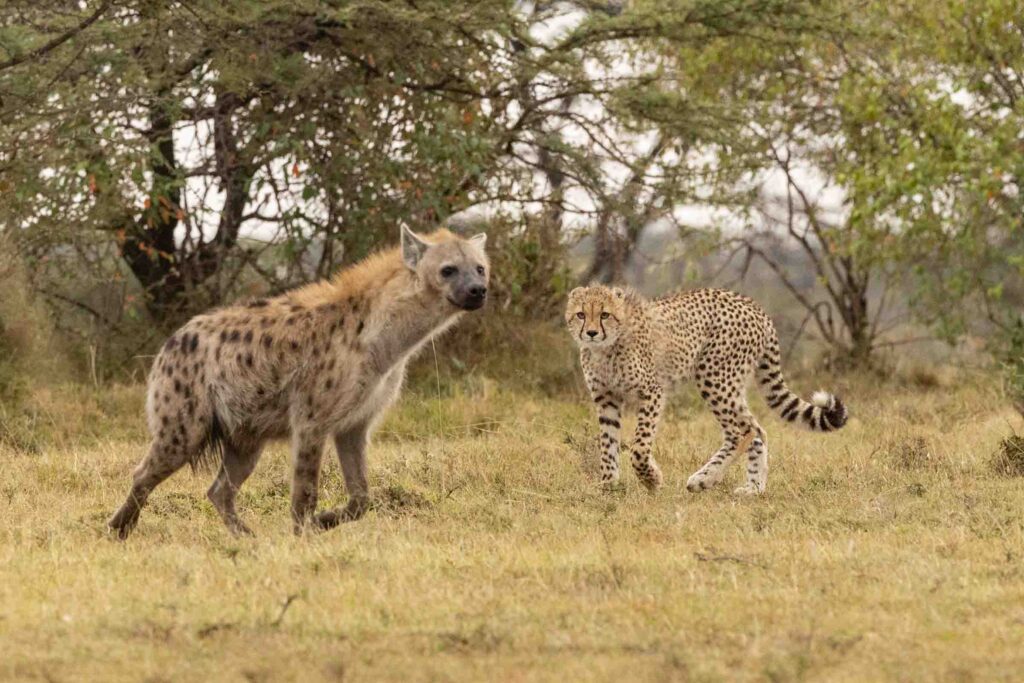
One lesson becomes immediately clear on a Masai Mara photography tour: moments cannot be rushed. Capturing wildlife in its most authentic behavior requires patience, focus, and a deep understanding of nature’s rhythm.
At Mara Siligi Camp, we’ve seen countless guests transform from casual observers into photographers who anticipate moments before they happen. Patience isn’t just a virtue here, it’s a skill you actively practice.
Guests often find themselves waiting:
- 20 minutes for a lion to yawn, stretch, or prepare to move
- 30 minutes for a bird to take flight, capturing its wings in perfect light
- An hour for a cheetah to make its move, pausing strategically in the golden grass
But when the moment finally unfolds, every second of waiting is worth it. That pause allows you to capture scenes that tell a story, the kind that turns ordinary shots into iconic wildlife images.
Timing in wildlife photography is more than just waiting. It also means understanding:
- Daily animal routines, when predators hunt, when herds graze
- Seasonal behavior shifts, from mating rituals to migration patterns
- Weather and light patterns, knowing when the plains will glow in morning or evening light
Experienced guides at Mara Siligi Camp teach guests to read subtle signals, such as:
- Body language, the tilt of a head, a flick of the tail, a crouch in the grass
- Group dynamics, how herds or prides move together
- Environmental cues, wind direction, sounds, and nearby movement
This combination of observation, timing, and guidance is what allows photographers to capture moments that others often miss. On a Masai Mara photography tour package, patience and timing aren’t just part of the process, they are the difference between a snapshot and a photograph that resonates.
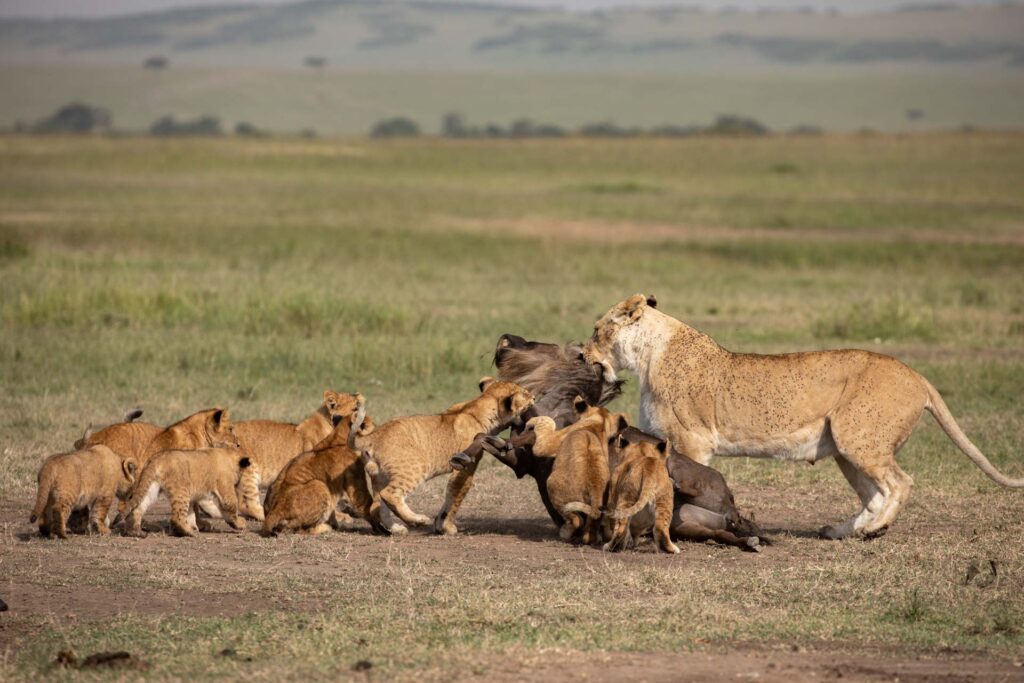
Choosing the Right Safari Camp or Location for Picture-Perfect Moments
Where you stay in the Masai Mara can completely shape your wildlife photography experience. On a Masai Mara photography tour, accommodation isn’t just a place to sleep, it’s your base for capturing the perfect shot at the perfect moment.
Being close to active wildlife zones gives you significant advantages:
- Shorter drive times to prime sightings, meaning you don’t miss the first light on the plains
- Earlier access to wildlife before crowds arrive, allowing uninterrupted photography
- More flexibility during golden hours, so you can take advantage of soft morning or late-afternoon light
A photography-focused camp like Mara Siligi Camp is designed with these priorities in mind. Staying here supports your photography journey by:
- Reducing long commutes before dawn, so you arrive at sightings while the light is perfect
- Allowing early departures without feeling rushed, maximizing your morning and evening drives
- Making it easy to return between drives for meals or rest, without missing key photographic moments
When choosing accommodation for your Masai Mara photography tour package, look for these features:
- Flexible game drive timings to align with the best light and animal activity
- Small-group focus, so your shots are not interrupted by other vehicles
- Guides comfortable working with photographers, understanding your need for framing, light, and patience
The right camp does more than provide comfort. It protects your creativity, giving you the time, space, and guidance needed to capture wildlife at its most authentic. At Mara Siligi Camp, we’ve seen countless guests return with images they never imagined possible, and it all starts with choosing the right base for your Masai Mara photography tour.
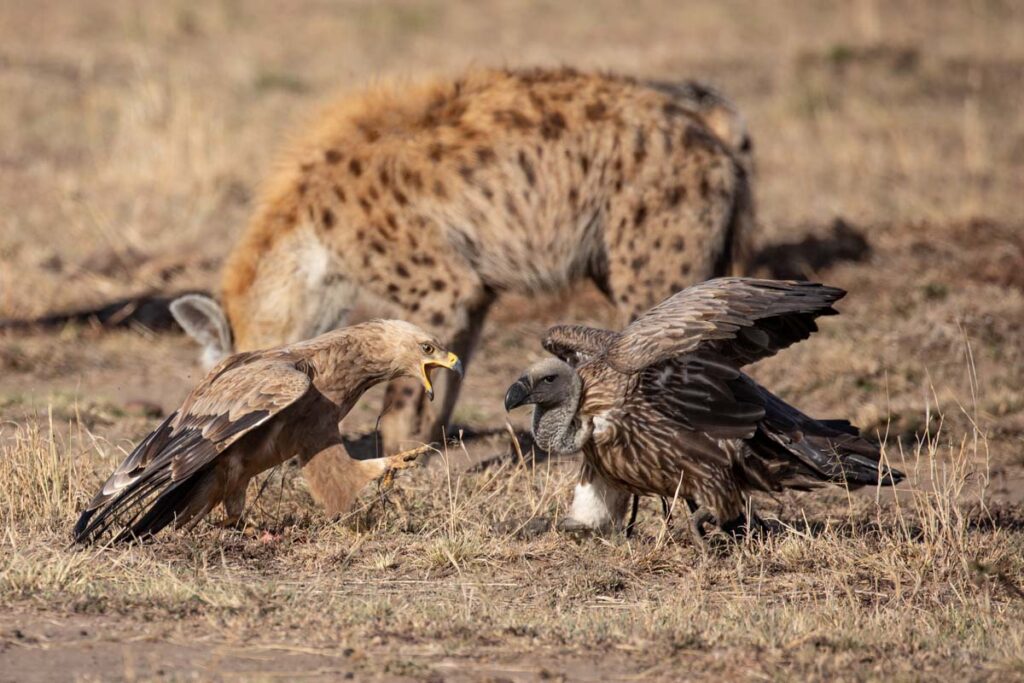
Planning Your Wildlife Photography Trip: From Observation to Capture
If this is your first Masai Mara photography tour package, it’s important to approach your trip with intention. Every decision, from preparation to post-drive review, affects the quality of the moments you capture.
Before You Arrive
- Learn basic animal behavior: Understanding how lions hunt, elephants move, or cheetahs pause can help you anticipate stunning photographic moments.
- Understand seasonal highlights: Certain times of year bring migrations, mating rituals, or unique lighting conditions, knowing this lets you plan your best shots.
- Choose a photography-focused safari: Opt for tours that prioritize small groups, longer sightings, and flexible timings, like the experiences offered at Mara Siligi Camp.
During the Tour
- Trust your guide’s judgment: Guides know the terrain, animal habits, and prime photo locations, let their experience guide your framing and timing.
- Slow down and observe: Don’t rush from one sighting to another. Some of the most iconic shots happen when you wait quietly, noticing subtle interactions.
- Shoot with purpose, not pressure: Think about the story each photo tells. Consider composition, light, and animal behavior before pressing the shutter.
After Each Drive
- Review your images: Check which compositions worked and which moments were missed,learning from each drive improves your skills quickly.
- Note what worked: Light, timing, animal behavior, understanding these elements helps you anticipate better in the next drive.
- Adjust for the next outing: Photography is iterative. Each game drive provides new opportunities to capture the perfect moment.
Remember: the goal isn’t to take hundreds of photos. It’s to capture meaningful, story-driven moments that convey the magic of the Masai Mara.
Final Thoughts: Why This Difference Matters
Anyone can see wildlife in the Masai Mara. But photographing a moment, one filled with emotion, tension, and atmosphere, requires observation, patience, and awareness.
A thoughtfully planned Masai Mara photography tour helps you:
- Observe more deeply, noticing subtle animal behaviors
- Wait more confidently, understanding that patience leads to better images
- Connect with the wild respectfully, appreciating animals in their natural environment
And when your mindset is supported by experienced guides and a strategically located camp like Mara Siligi Camp, you leave with more than photographs.
You leave with stories captured in every frame, memories framed by golden light, and experiences that can’t be rushed.
A Masai Mara photography tour package is not just about taking pictures, it’s about transforming the way you see the wild, forever.
FAQs
Seeing wildlife happens instantly, but capturing a moment means slowing down and observing behavior. Photography tours focus on timing, light, and anticipation rather than rushing between sightings.
Yes, because you spend more time at each sighting learning when to wait and when to shoot. This helps you move beyond random clicks to meaningful, story-driven images.
Absolutely. Staying closer to wildlife zones gives you early access, fewer interruptions, and better light—key factors in capturing strong, natural wildlife photographs.